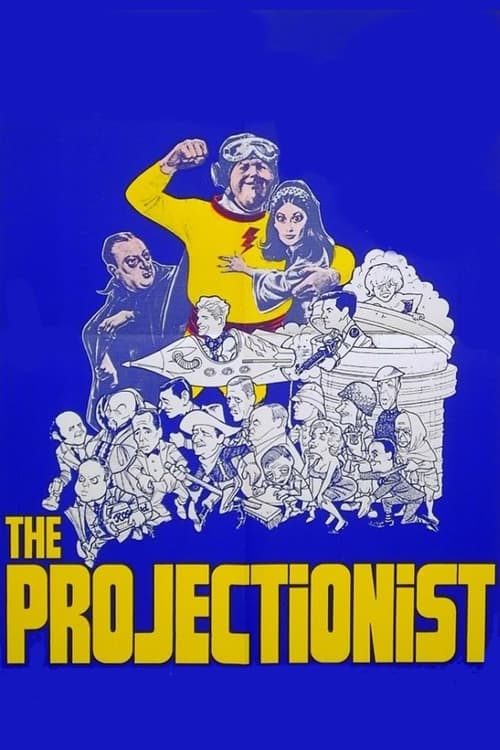
The Projectionist
1970
No user ratings available yet
Representation score: 5.2 out of 10
Representation Score
Good
1969
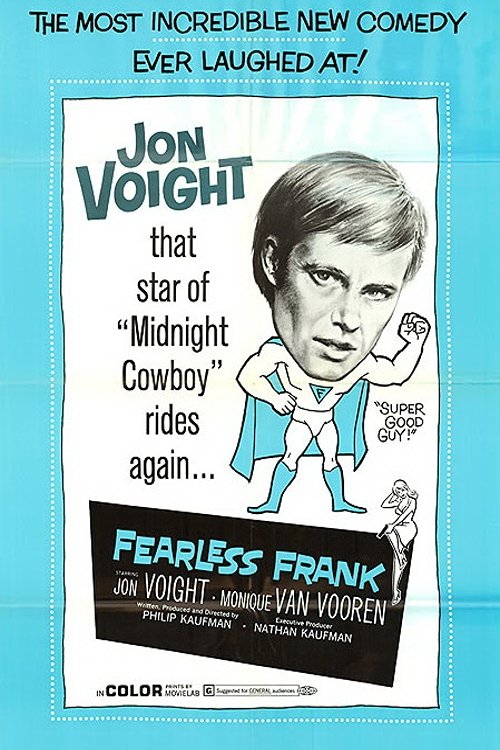
GDirector
Philip Kaufman
Runtime
83 minutes
Average Rating
No ratings yetNew Showbiz Analysis
Fearless Frank serves as a transitional piece of late-60s cinema, using satire to dismantle the rigid hero myths of the mid-20th century. It succeeds most when it uses absurdity to critique social structures and the concept of the 'new man.' However, the film remains tethered to traditional male clichés. The narrative ability to act is heavily concentrated in male characters, and the fantastical elements often bypass deeper explorations of identity or disability in favor of genre parody. Ultimately, while the film offers a diverse ensemble and a skeptical view of traditional morality, it lacks the actively leading characters who reflect more than one aspect of diversity found in more contemporary works.
Category Breakdown
The film operates as a genre parody rather than a study of identity. While the era's camp aesthetics are present, the narrative lacks explicit LGBTQ+ characters or critiques of the assumption that everyone is straight or cisgender.
The story centers on a male protagonist's journey toward becoming a 'brave new man.' While Plethora acts as a plot catalyst, ability to act remains largely with the male lead and the scientist.
The film features a diverse cast for its era, including Nelson Algren. The Chicago setting provides a multi-ethnic urban backdrop, though the focus remains on fantastical plot elements.
Satire is used to deconstruct superhero archetypes and institutionalized justice. The narrative engages in a postmodern critique of the 'benevolent citizen' and traditional social evolution through absurdity.
The resurrection of a deceased man touches on bodily autonomy. However, Frank's superhuman status is a fantastical plot device rather than a nuanced exploration of physical disability or neurodivergence.
Present on Screen
Limited or Absent
Official Synopsis
A country boy arrives in Chicago, gets killed by some gangsters, and returns to life with superhuman powers in this satirical look at movie genres.
1970
1941
1967
1937

1948
1982

1993
1964
No reviews yet. Be the first to share your thoughts on this movie!
Use the rating form above to leave a star rating and optional review.