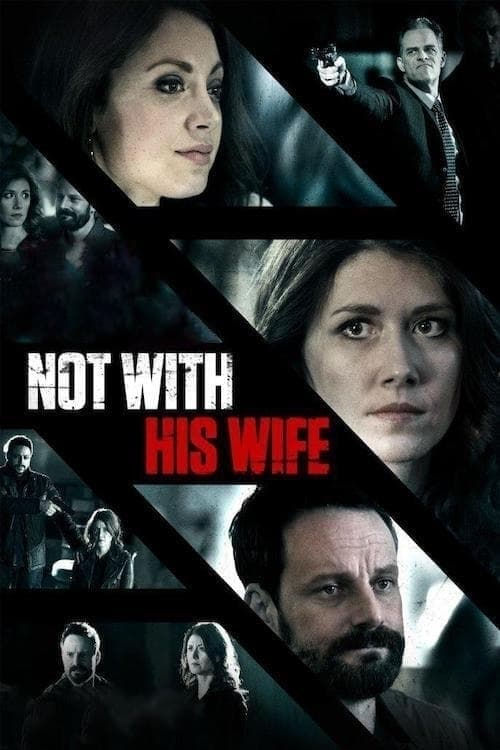
Not With His Wife
2016
No user ratings available yet
Representation score: 1.8 out of 10

Representation Score
Good
2016
TV-14Director
David Winning
Runtime
87 minutes
Average Rating
No ratings yetNew Showbiz Analysis
The film functions as a standard genre thriller that prioritizes mystery clichés over identity-driven storytelling. While it offers a strong female lead, it lacks the depth needed for a progressive narrative. Sophie's transition from a grieving widow to an undercover agent challenges traditional gender roles in law enforcement. However, the film remains conventional, focusing on traditional family structures and Western institutions without broader social commentary.
Category Breakdown
The film does not include explicit LGBTQ+ characters or stories that question the assumption that everyone is straight or cisgender. Instead, it focuses on a traditional marriage, which aligns with conventional expectations.
Sophie transitions from a grieving widow to an active undercover agent, showing she plays a significant role in driving the story. Her intelligence and capabilities challenge the typical passive roles of women in crime procedurals.
The cast includes performers from various backgrounds, but the story does not center on racial identity. It follows a standard mystery format without addressing systemic issues related to race.
The story emphasizes Western institutions such as law enforcement and the traditional family structure. It highlights traditional values of justice and family devotion without critiquing broader societal structures.
The film introduces themes of chronic illness and vulnerability through a gravely ill daughter. However, it is unclear whether this portrayal gives the character real power or simply serves as a sentimental plot device.
Present on Screen
Limited or Absent
Official Synopsis
Sophie's husband is killed in the line of duty as a police officer, now she goes undercover to solve his last case as she deals with her gravely ill daughter.
2016
2026
2007

1996

2020
2006
2009

2016
No reviews yet. Be the first to share your thoughts on this movie!
Use the rating form above to leave a star rating and optional review.