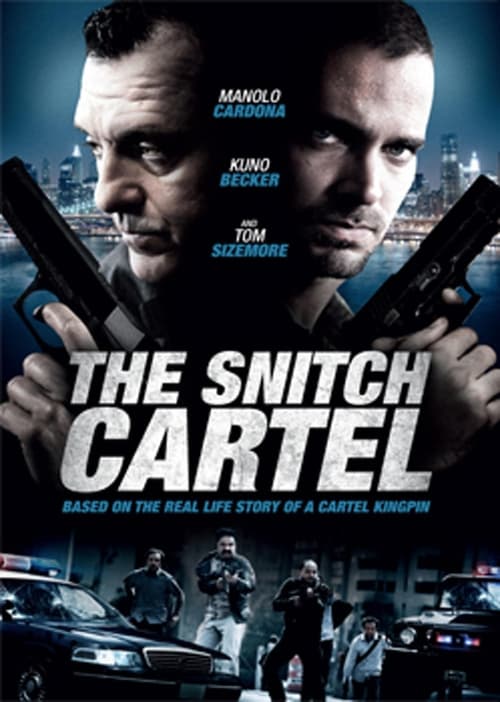
The Snitch Cartel
2011
No user ratings available yet
Diversity score: 4.5 out of 10

2009
TV-PGDirector
Christian González
Runtime
90 minutes
Average Rating
No ratings yetSynopsis
After a police raid, commanding officer Alberto has confiscated a large sum of money from a powerful drug dealer named Bartolomé. Bartolomé is pure evil and wants his money back, so he makes a plan to recover his money that involves kidnapping Alberto's son and forcing Alberto's wife, a famous runner, to run the local marathon.
Overall Score
Limited
Category Breakdown
LGBTQ+ Representation
The film lacks explicit LGBTQ+ characters or non-cisnormative identities. The story centers on a traditional familial unit consisting of a husband, wife, and son.
Gender Representation
The female lead is a famous runner, providing her with physical agency. However, her role remains reactive to a conflict driven primarily by male characters.
Racial & Ethnic Diversity
The setting suggests a Latin American context, but specific racial compositions are not detailed. The narrative follows a standard crime-drama framework without explicit ethnic subversion.
Religious & Cultural Diversity
The plot relies on a binary, good-versus-evil morality. It reinforces established social hierarchies through a traditional crime and law enforcement lens rather than critiquing them.
Disability Representation
There is no information regarding characters with visible or invisible disabilities or neurodivergence.
Strengths
Areas for Improvement
AI Analysis
Bajo Amenaza: 42 km. de angustia follows a conventional crime-drama structure that relies heavily on established tropes. The emotional core of the film is built around a traditional family unit, which serves as the primary stake in a conflict between male figures. While the film provides a female protagonist with a specific physical skill set as a runner, her agency is largely tethered to the actions of the commanding officer and the drug dealer. This creates a narrative where women function as stakes rather than proactive drivers of the plot. The moral landscape is also quite rigid, presenting a clear dichotomy between law enforcement and 'pure evil' criminality. This approach favors traditional storytelling over a nuanced exploration of systemic issues or social hierarchies.
2011
1998

1984
2009

2024
2012
2019

2014
2016
1988
1998
1999
No reviews yet. Be the first to share your thoughts on this movie!
Use the rating form above to leave a star rating and optional review.