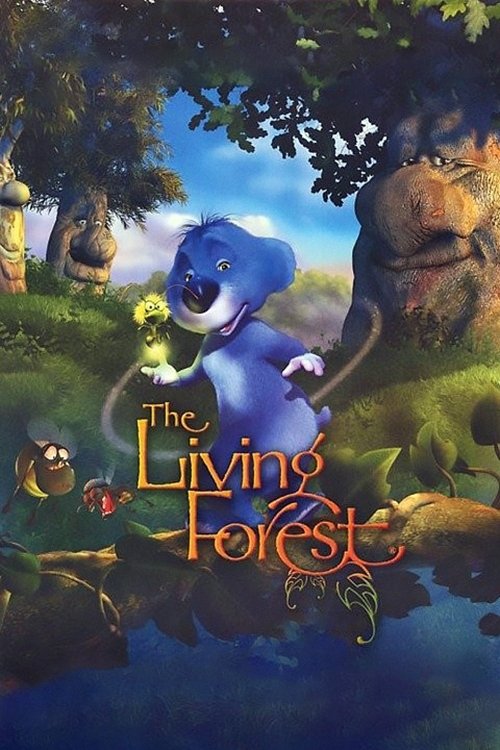
The Living Forest
2003
No user ratings available yet
Diversity score: 5.7 out of 10

1961
Director
Boris Dyozhkin
Runtime
38 minutes
Average Rating
No ratings yetSynopsis
In a world inhabited by anthropomorphic produce, "Cipollino, the Onion Boy" fights the unjust treatment of his fellow vegetable townsfolk by the fruit royalty (Prince Lemon and the overly proud Lord Tomato) in the garden kingdom.
Overall Score
Good
Category Breakdown
LGBTQ+ Representation
The film lacks explicit LGBTQ+ identities or non-heteronormative romantic arcs. The narrative focuses entirely on the collective struggle for class equity.
Gender Representation
The story offers a moderate subversion of traditional hierarchies by centering on communal survival. However, female characters remain somewhat secondary to the broader class conflict.
Racial & Ethnic Diversity
The film uses species as a metaphor for social stratification. The distinction between fruit aristocracy and vegetable working classes serves as a proxy for ethnic and social divisions.
Religious & Cultural Diversity
This is a profound critique of monarchical and capitalist structures. It celebrates the dismantling of inequitable hierarchies in favor of a collectivist, egalitarian system.
Disability Representation
There are no discernible depictions of physical or neurodivergent disabilities within the narrative.
Strengths
Areas for Improvement
AI Analysis
Cipollino (1961) operates as a sophisticated socio-political allegory. By using an anthropomorphic botanical cast, the film bypasses traditional demographic markers to focus on a systemic critique of class-based oppression and autocratic governance. The film's strength lies in its deconstruction of power hierarchies. It replaces human actors with vegetables to highlight the corruption of a centralized elite and the necessity of redistributing agency to a marginalized collective. However, the allegorical nature of the film means it lacks specific representation for individual identities. While it excels at critiquing systemic inequality, it does not address LGBTQ+ identities or disability.
2003
1980
1938

1957
1975
2022
1993
2005
1967
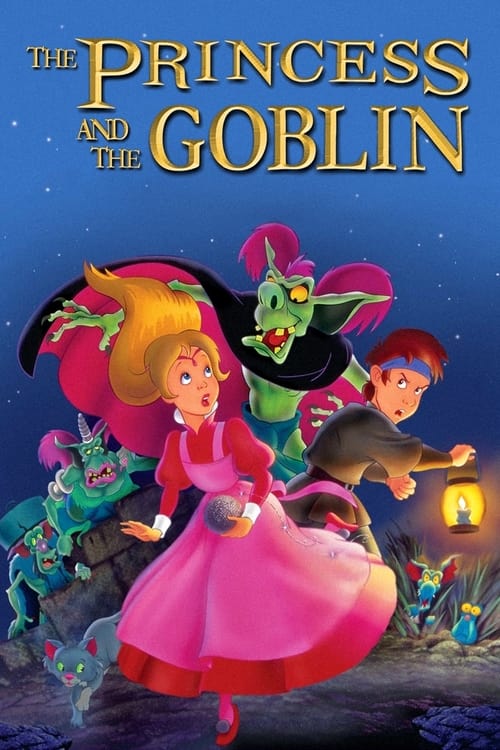
1991

1965
No reviews yet. Be the first to share your thoughts on this movie!
Use the rating form above to leave a star rating and optional review.