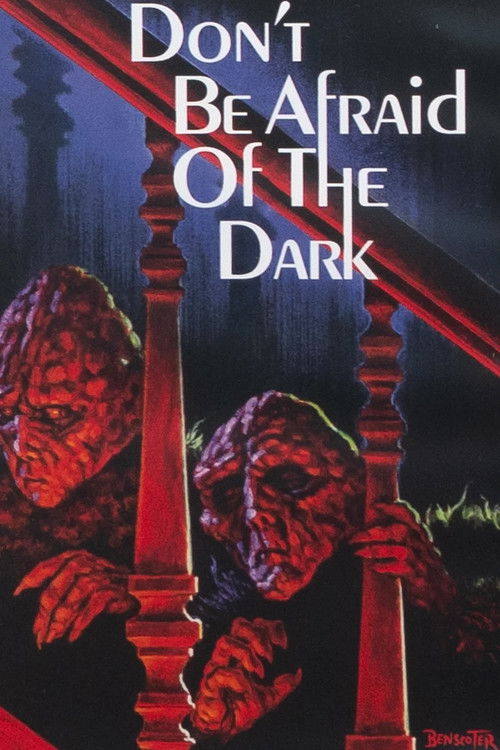
Don't Be Afraid of the Dark
1973
No user ratings available yet
Representation score: 2.5 out of 10
Representation Score
Minimal
1989
RDirector
Sandor Stern
Runtime
95 minutes
Average Rating
No ratings yetNew Showbiz Analysis
Amityville: The Evil Escapes is a typical 1980s horror movie that prioritizes genre clichés over challenging social norms. The narrative centers on a homogeneous nuclear family facing a demonic threat. The film relies on well-known archetypes, especially regarding gender and religious symbols. It aims to maintain domestic stability without questioning existing social structures. Overall, the film offers a narrow perspective on identity, aligning with the mainstream television standards of the era.
Category Breakdown
The film centers on a nuclear family within a supernatural horror setting. It doesn't include non-binary or same-sex relationships, sticking to the assumption that everyone is straight or cisgender.
Female characters often play minor roles, serving as conduits for supernatural threats or needing protection, which reinforces traditional gender roles.
The story focuses on a homogeneous family unit. It reflects the Anglo-centric horror style of its time without including diverse ethnic representations or actors from different backgrounds.
The film uses standard religious symbols like crosses to fight evil. It emphasizes protecting the family unit without questioning religious or Western institutions.
There are no characters with visible or invisible disabilities in the story. The narrative focuses solely on the supernatural conflict.
Present on Screen
Limited or Absent
Official Synopsis
After moving into their matriarch's gothic seaside mansion, the Evans family soon becomes host to an uninvited demonic force in the form of a mysterious lamp that once resided in the Amityville house.
1973
1979
2017
1977
1973
2016
1996
1986
No reviews yet. Be the first to share your thoughts on this movie!
Use the rating form above to leave a star rating and optional review.