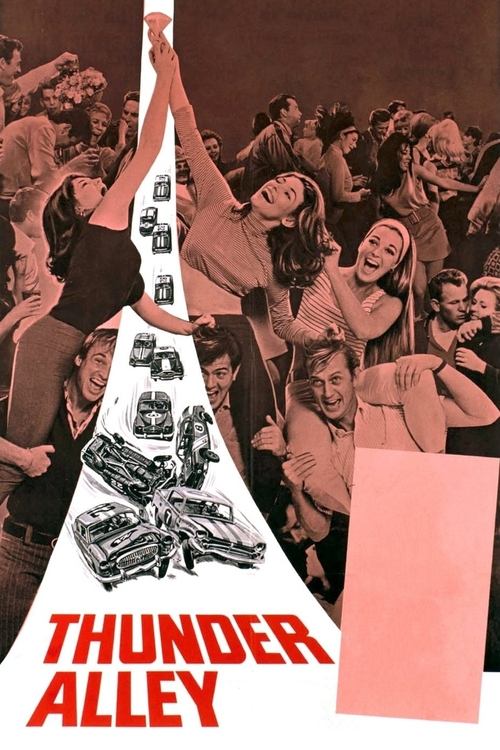
Thunder Alley
1967
No user ratings available yet
Representation score: 4.0 out of 10
Representation Score
Minimal
1966
UnratedDirector
William Asher
Runtime
92 minutes
Average Rating
No ratings yetNew Showbiz Analysis
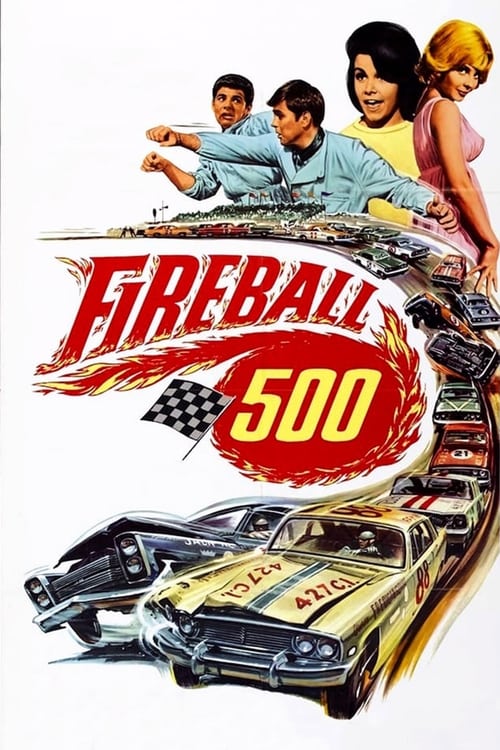
Fireball 500 is a quintessential mid-century action-drama that prioritizes genre clichés over social exploration. The story focuses on a stock car racer navigating high-stakes competition, which reinforces the masculine archetypes common to 1960s cinema. The film operates within a narrow demographic framework, reflecting the homogeneous social norms of the era's automotive culture. It lacks any attempt to challenge traditional hierarchies or include diverse perspectives. Ultimately, the work functions as a standard genre piece. It emphasizes individualist achievement and professional grit without expanding the narrative through diverse perspectives or social critique.
Category Breakdown
The film does not feature any LGBTQ+ characters or non-straight relationships. The story focuses solely on the male protagonist and his involvement in the racing circuit.
The narrative emphasizes the male protagonist's role as a driver, reinforcing traditional masculine roles associated with physical risk and professional determination.
The cast and setting reflect the homogeneous demographic norms of 1960s American racing culture. There is no evidence of diverse ethnic perspectives or multi-layered casting.
The film aligns with traditional Western values, emphasizing individualist competition and professional stakes. It does not engage in critiques of capitalism or Western institutions.
There are no visible or documented depictions of characters with physical or neurodivergent disabilities. Characters function as able-bodied archetypes necessary for the racing plot.
Present on Screen
Limited or Absent
Official Synopsis
Stock car racer Dave Owens plays into the hands of whiskey runners by agreeing to drive in a cross-country road race.
1967
1971

1977
1974
1969
1973
1965

1964
No reviews yet. Be the first to share your thoughts on this movie!
Use the rating form above to leave a star rating and optional review.