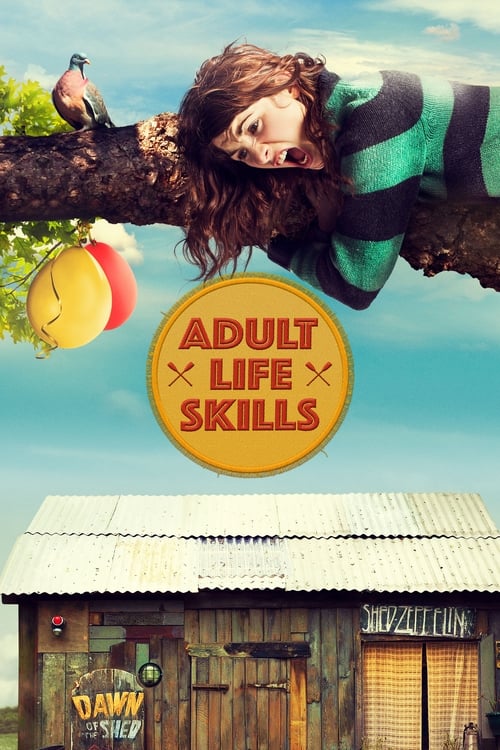
Adult Life Skills
2016
No user ratings available yet
Diversity score: 5.8 out of 10

2007
Director
Sebastián Silva
Runtime
92 minutes
Average Rating
No ratings yetSynopsis
Gaspar is a young, lonely cinematographer. Unable to deal with his sister and sick grandfather he spends his time with Susana, an actress working on a opera. When he meets Alvaro, an idealistic traveler, Gaspar's life changes. They embark on a adventure that help them unearth the fragility and value of human existence
Overall Score
Good
Category Breakdown
LGBTQ+ Representation
The film lacks explicit depictions of same-sex intimacy or non-cisnormative gender expressions. While it explores fluid interpersonal dynamics, the narrative remains within a conventional framework regarding sexual orientation.
Gender Representation
Female characters demonstrate significant agency, subverting traditional hierarchies through their intellectual and emotional complexity. The film avoids domestic archetypes, focusing instead on the nuances of female companionship and shared experiences.
Racial & Ethnic Diversity
By centering a predominantly Chilean cast, the film provides a grounded, non-Anglo-Saxon reality. This commitment to regional authenticity offers a meaningful departure from the homogeneous casting common in globalized media.
Religious & Cultural Diversity
The narrative embraces a secular, existentialist worldview that prioritizes subjective experience over religious dogma. It explores the breakdown of traditional social structures and the instability of urban life in Santiago.
Disability Representation
Mental health challenges and psychological crises are integrated as integral parts of the characters' lived realities. The film avoids using these struggles as mere plot devices or sources of mockery.
Strengths
Areas for Improvement
AI Analysis
Sebastián Silva’s *Life Kills Me* succeeds as a naturalist character study that prioritizes regional authenticity and existentialist themes. By grounding the story in the specific social dynamics of Santiago, it avoids Western-centric casting norms and provides a refreshing, non-hegemonic perspective. The film excels in its nuanced treatment of gender and mental health, moving away from archetypal roles and shallow tropes. Female characters possess genuine agency, and psychological vulnerability is treated with dignity rather than as a narrative gimmick. However, the film lacks explicit LGBTQ+ representation or high-intensity intersectional markers. While it explores the randomness of human connection, it does not actively critique heteronormativity or center queer identities.
2016

2021
2009
2011

2022

2017
2004

2014
2020
2010
2016
2008
No reviews yet. Be the first to share your thoughts on this movie!
Use the rating form above to leave a star rating and optional review.