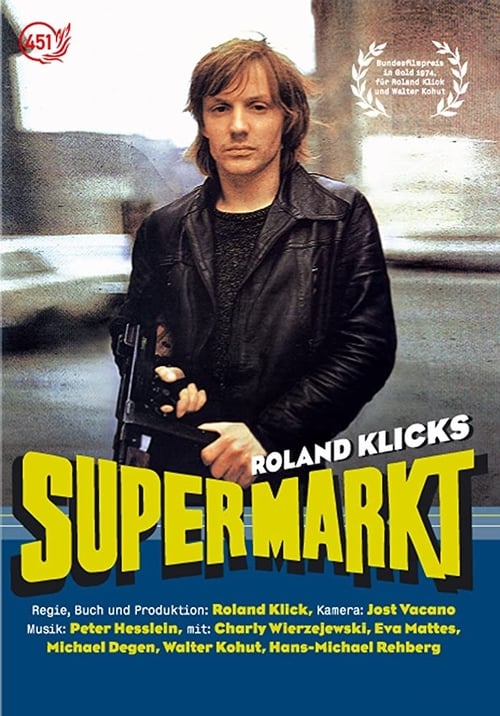
Supermarket
1974
No user ratings available yet
Representation score: 5.1 out of 10

Representation Score
Limited
2012
Director
Piotr Mularuk
Runtime
113 minutes
Average Rating
No ratings yetNew Showbiz Analysis
Yuma is a localized crime drama that explores the socio-political vacuum of post-communist Poland. It succeeds in deconstructing institutional authority and examining the moral relativism required for survival in a fractured state. However, the film remains confined to traditional archetypes. The narrative prioritizes a hyper-masculine perspective and lacks intentionality regarding diverse representation or multicultural casting. While the film offers a gritty look at post-socialist identity, it does not actively seek to disrupt conventional gender or ethnic norms.
Category Breakdown
The film operates within a hyper-masculine crime framework. There is no evidence of LGBTQ+ identities or narratives that critique the assumption that everyone is straight or cisgender.
The story focuses on male characters navigating a patriarchal underworld. The narrative emphasizes the struggle for male control rather than subverting gender hierarchies.
The narrative is set in a specific Polish geopolitical context. It functions as a localized story rather than a multicultural production.
The film explores the collapse of communist structures and the resulting moral anarchy. It critiques traditional institutions and established systems.
There is no discernible evidence regarding the inclusion or portrayal of characters with physical or neurodivergent disabilities.
Present on Screen
Limited or Absent
Official Synopsis
A story about the rise and fall of Zyga - a Polish kid in his early twenties, who wants to take charge of his life after the fall of communism, but in a time of chaos and moral anarchy, unwillingly becomes a gangster.
1974

2019

2021

2012

1997

2010

2006

2021
No reviews yet. Be the first to share your thoughts on this movie!
Use the rating form above to leave a star rating and optional review.