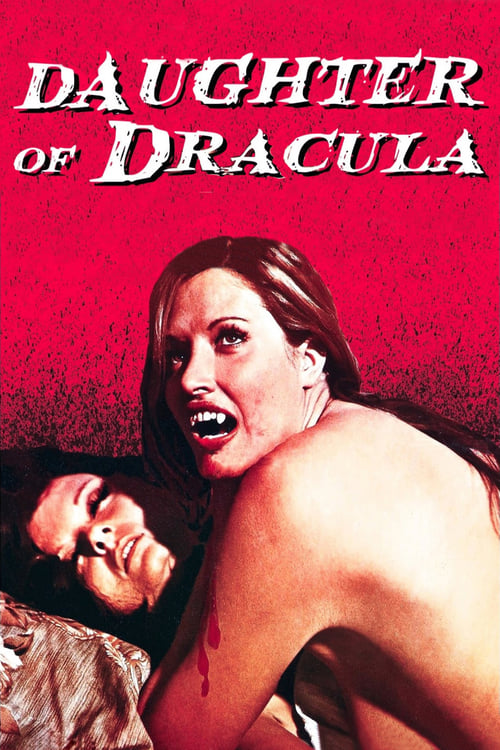
Daughter of Dracula
1972
No user ratings available yet
Representation score: 4.1 out of 10
Representation Score
Minimal
1971
Not RatedDirector
Michio Yamamoto
Runtime
82 minutes
Average Rating
No ratings yetNew Showbiz Analysis
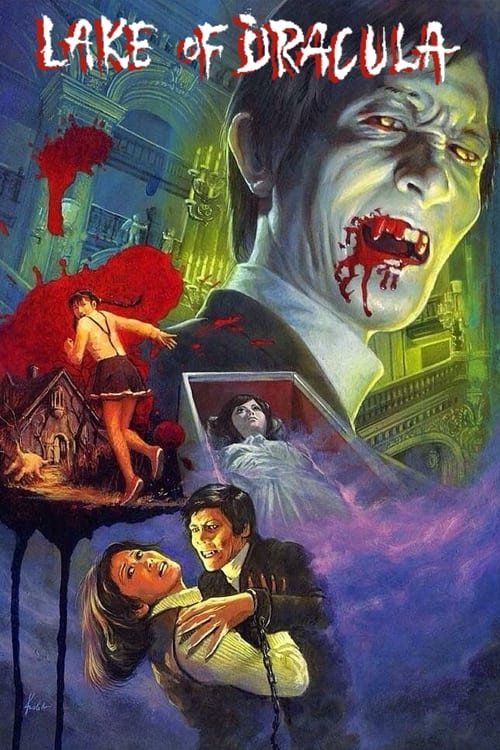
Lake of Dracula is a conventional supernatural horror film that relies heavily on established genre clichés. The story follows a classic cause-and-effect structure, connecting a childhood nightmare to an adult crisis involving a mysterious coffin. While the film offers a departure from Western-centric cinema through its Japanese direction, it lacks depth in terms of social or characters who reflect more than one aspect of diversity. Characters primarily serve as vehicles for the central prophecy and atmospheric dread. Overall, the film prioritizes stylistic tension and traditional horror mechanics over disrupting social hierarchies or exploring diverse identities.
Category Breakdown
The film does not include any characters with LGBTQ+ identities. The story revolves around a supernatural prophecy.
A female protagonist is central to the story, but her role adheres to typical genre conventions without challenging traditional gender norms.
Directed by Michio Yamamoto, the film is set in a Japanese cultural context. However, it lacks diverse representation and multi-layered character development.
The plot centers on classic horror motifs such as vampirism and curses, following traditional fate-based mechanics without a secularist or anti-Western framework.
There is no information available regarding the depiction of physical disabilities or neurodivergence within this narrative.
Present on Screen
Limited or Absent
Official Synopsis
A young girl suffers a terrifying nightmare of a vampire with blazing golden eyes. Eighteen years later, it is revealed to be a hellish prophecy when a strange package containing an empty coffin mysteriously turns up at a nearby lake.
1972

1973

1974

1958
1970

1972
1963
1972
No reviews yet. Be the first to share your thoughts on this movie!
Use the rating form above to leave a star rating and optional review.