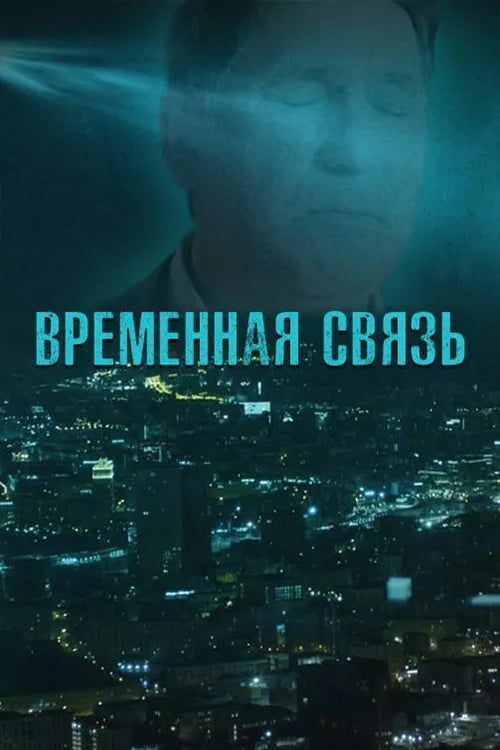
Temporary Connection
2020
No user ratings available yet
Representation score: 5.4 out of 10
Representation Score
Fair
2022
Director
Roman Prosvirnin, Dmitry Abolmasov
Runtime
98 minutes
Average Rating
No ratings yetNew Showbiz Analysis
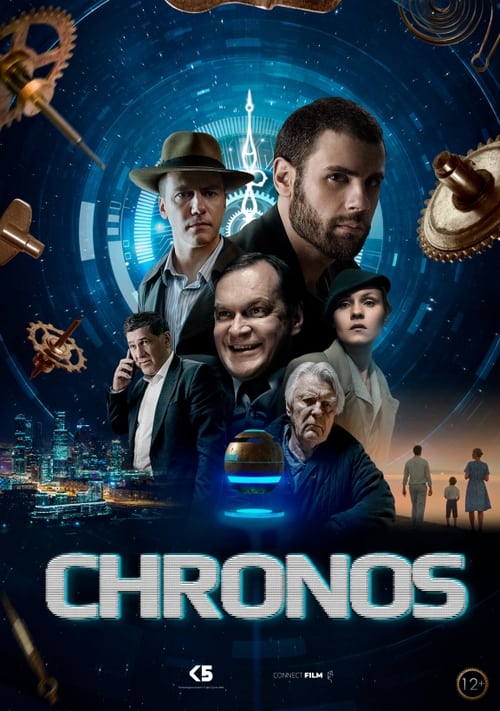
Chronos is a genre-driven science fiction film that uses a temporal anomaly to explore historical trauma and class disparity. The narrative highlights the disconnect between modern privilege and past systemic hardship. However, the film lacks clear markers of identity-based representation. There are no visible LGBTQ+ characters or significant racial diversity within the Moscow setting. While the focus on female survival offers some ability to act, the depiction of physical vulnerability is tied to a specific plot mechanic rather than broader exploration of disability.
Category Breakdown
The film does not include any LGBTQ+ characters or themes related to sexuality or gender identity. The main storyline revolves around a phone call connecting two individuals from different times.
The story centers on two female characters, Nina and a younger version of herself. This setup highlights women's ability to drive the story through survival and connection across time.
Set in Moscow, the film suggests a primarily Slavic cast. The narrative emphasizes differences in time and socioeconomic status rather than explicit racial or ethnic diversity.
The film critiques economic disparities by comparing modern wealth to the starvation of 1942. It avoids purely celebratory depictions of contemporary prosperity.
A thirteen-year-old girl is shown dying from starvation. It is unclear whether this focuses on character-driven suffering or simply serves as a plot device for the time anomaly.
Present on Screen
Limited or Absent
Official Synopsis
Moscow, 2020. The media warn that a dangerous meteorite will soon sweep near the Earth at great speed. But the wealthy restaurateur Vadim does not care, so he does not change his plans and hurries to celebrate the purchase of a new establishment. On the way to the restaurant, Vadim calls his friend Nina to invite her to a banquet. But due to a time anomaly associated with a meteorite, another Nina, a thirteen-year-old girl who is dying of starvation in cold Moscow in 1942, picks up the phone on the other end.
2020

2006
2021

1984

2016
No reviews yet. Be the first to share your thoughts on this movie!
Use the rating form above to leave a star rating and optional review.