
The Man from Earth: Holocene
2017
No user ratings available yet
Representation score: 4.2 out of 10
Representation Score
Fair
2018
TV-MADirector
Yusron Fuadi
Runtime
116 minutes
Average Rating
No ratings yetNew Showbiz Analysis
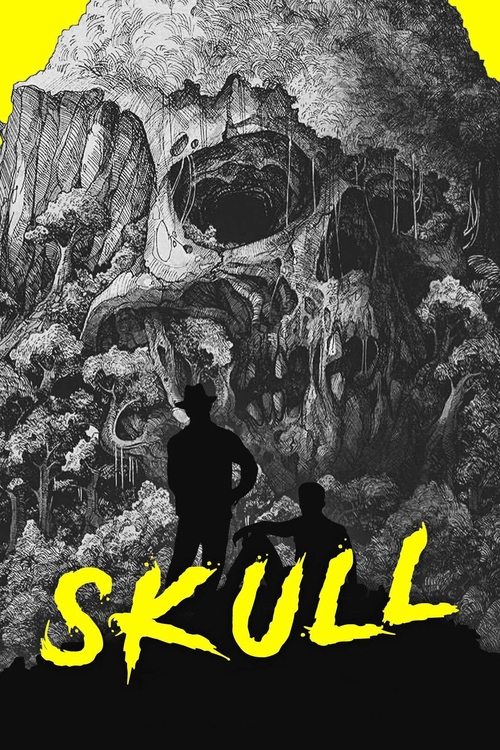
Skull stands out by relocating the epicenter of a global scientific crisis from the West to Indonesia. By setting the story in Yogyakarta, the film offers a non-Western perspective on human origins and institutional authority. The narrative structure emphasizes intellectual exploration, pitting scientific inquiry against religious certainty. This creates a progressive theme that challenges established knowledge hierarchies. While the film excels in cultural and racial representation, it remains neutral towards LGBTQ+ identities and lacks any visible representation of disability.
Category Breakdown
The film does not include explicit representations of LGBTQ+ characters or non-assuming gender matches what was assigned at birth identities. The story focuses on the tension between scientific discovery and religious leadership.
A young girl is the main driver of the plot. Her active role in seeking answers challenges traditional gender stereotypes by placing a female protagonist at the center of global scientific and theological conflicts.
The story is set in Yogyakarta, Indonesia, grounding the narrative in a specific location. This choice challenges Western-centric cinematic tendencies by focusing a global crisis within a Southeast Asian context.
The plot explores the tension between empirical discovery and traditional religious authority. It emphasizes scientific skepticism and secular inquiry as established beliefs face new, challenging realities.
There is no depiction of physical or neurodivergent disabilities in the film. No information is available to assess this aspect of the movie.
Present on Screen
Limited or Absent
Official Synopsis
Humanity discovered a 170,000 year old fossilized skull with a length of 1,850 meters due to an earthquake in Yogyakarta in 2006. The discovery confuses a lot of religious leaders and scientists. Even the world is arguing whether they should research the fossilized skeleton or hide it from the public on behalf of humanitarian reasons. A young girl is trapped in the search for the answer for the mystery behind the skull and the revelation of the truth to the world. If we are indeed not the most perfect beings as we believe, do we really want to know?
2017

2018
2020
2017
2006
2014
2015
2013
No reviews yet. Be the first to share your thoughts on this movie!
Use the rating form above to leave a star rating and optional review.