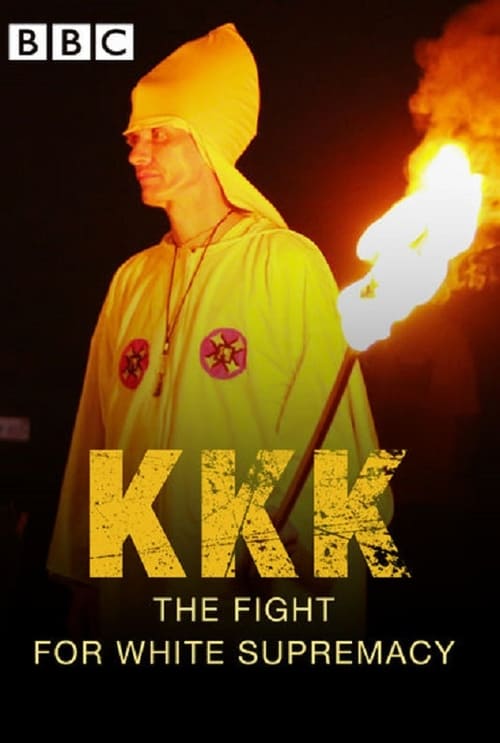
KKK: The Fight for White Supremacy
2015
No user ratings available yet
Representation score: 3.3 out of 10
Representation Score
Limited
1998
Director
Bill Brummel
Runtime
99 minutes
Average Rating
No ratings yetNew Showbiz Analysis
The documentary functions primarily as a historical and sociological investigation into the Ku Klux Klan. Its strength lies in its critical examination of racial power dynamics and the systemic impact of white supremacy. By documenting the friction between extremist traditionalism and the Civil Rights Movement, it provides a necessary look at racial terror. However, the film's scope is narrow. It adheres to traditional subject matter, resulting in a complete absence of LGBTQ+ and disability narratives. The focus on rigid historical hierarchies limits the exploration of gender empowerment.
Category Breakdown
The documentary does not address LGBTQ+ identities or non-straight relationships. It focuses solely on the historical development of a racial extremist organization.
The film documents historical gender hierarchies within the organization. It looks at women’s societal roles through a lens of historical documentation rather than active subversion or empowerment.
The film provides a high-level analysis of white supremacy and the Civil Rights Movement. It examines racial terror and the experiences of Black Americans resisting systemic structures.
The narrative critiques how religious extremism and Protestant interpretations were used to facilitate oppression. It examines the intersection of religious morality and systemic violence.
There is no discernible focus on disability, neurodivergence, or mental health within the subject matter.
Present on Screen
Limited or Absent
Official Synopsis
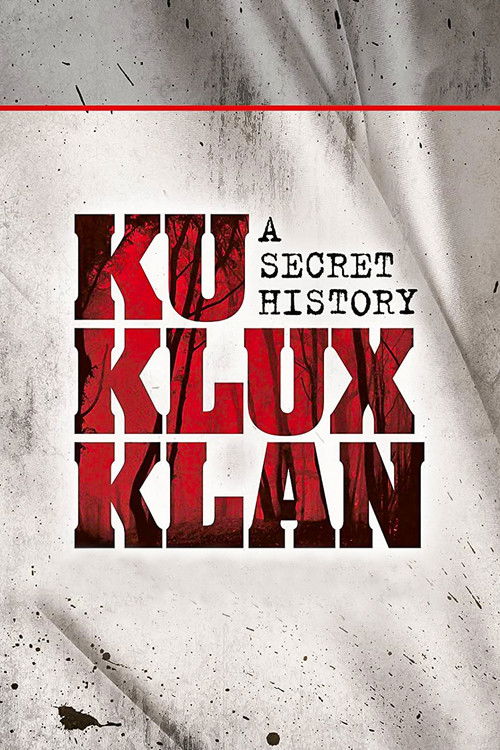
From its inception in 1866 to it's diminished but still vocal brotherhood in the modern era, this release takes a close look at the ways in which the Klan has evolved through such events as the Civil Rights Movement and affirmative action. In addition to informative interviews with such subjects as Hooded Americanism author David Chambers and The Fiery Cross author Craig Wade, this film also seeks to get the story from the inside by offering revealing interviews with Grand Dragon Edward Foster and Imperial Wizard Jeff Bary.
2015
2012
2015
1982
2015
2023
2014
1991
No reviews yet. Be the first to share your thoughts on this movie!
Use the rating form above to leave a star rating and optional review.