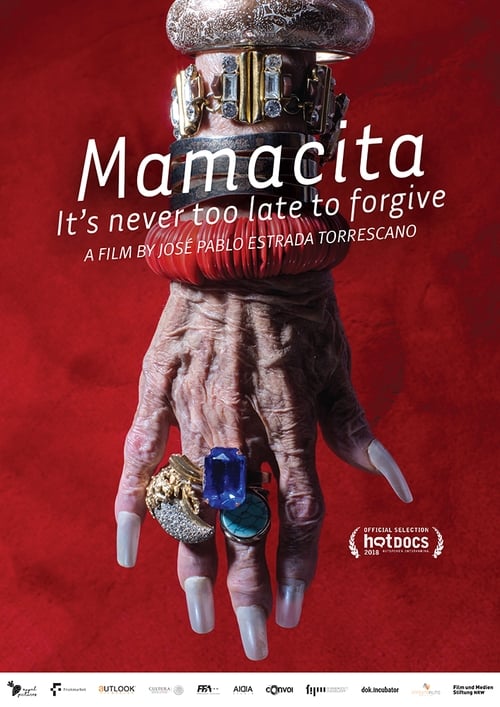
Mamacita
2018
No user ratings available yet
Representation score: 7.8 out of 10

Representation Score
Excellent
2013
Director
Israel Cárdenas, Laura Amelia Guzmán
Runtime
80 minutes
Average Rating
No ratings yetNew Showbiz Analysis
Carmita is a poignant study of displacement and the erosion of identity. By centering on a forgotten Cuban actress in Mexico, the film avoids traditional biographical clichés in favor of observational intimacy. It successfully deconstructs Western success narratives through a Caribbean lens. The film's strength lies in its focus on womanhood and diaspora. The relationship between the aging subject and the younger filmmaker creates a layered exploration of shared cultural heritage. While the film captures the vulnerability of aging, it remains focused on the subject's ability to act. It provides a nuanced critique of systemic failures and the fragility of the immigrant experience.
Category Breakdown
The film explores Carmen's life through her history of lost loves and social isolation, suggesting a life outside conventional straight relationships.
The narrative centers on an aging woman's intellect and lived experience, bypassing traditional patriarchal structures through a dialogue between Carmen and Laura.
The documentary excels in depicting the Caribbean diaspora and the Cuban immigrant experience, prioritizing non-white perspectives over Anglo-centric views.
The film critiques the American Dream through a non-Western lens, focusing on the struggles and displacement inherent in capitalist structures.
The film touches on the vulnerabilities of aging and psychological isolation, presenting Carmen's precarious circumstances with raw realism.
Present on Screen
Limited or Absent
Official Synopsis
Nearly half a century ago, Carmen Ignarra arrived to Mexico after leaving behind her Cuban homeland, in the hopes of becoming the greatest Caribbean actress in Hollywood. But the American dream tur- ned out to be more difficult than she’d thought, and her brief initial success was followed by a slow, painful decline. Today, at 80, the woman who was once Cuba’s most beautiful actress lives totally forgotten in an old mansion in Monterrey. There she survives thanks to her tenants—strange men who she is constantly blaming for mysterious thefts and disappearances. Laura, a young woman also from the Caribbean, arrives at the mansion to work as an assistant in cleaning and housekeeping. With her she brings a video camera and the secret intention of making a documentary about the diva. Together they talk about the past, about wasted talent and lost loves.
2018

2014
2016

2017
2017
2023
2016

2020
No reviews yet. Be the first to share your thoughts on this movie!
Use the rating form above to leave a star rating and optional review.