
The Marine 6: Close Quarters
2018
No user ratings available yet
Representation score: 1.5 out of 10

Representation Score
Minimal
1990
RDirector
Aaron Norris
Runtime
110 minutes
Average Rating
No ratings yetNew Showbiz Analysis
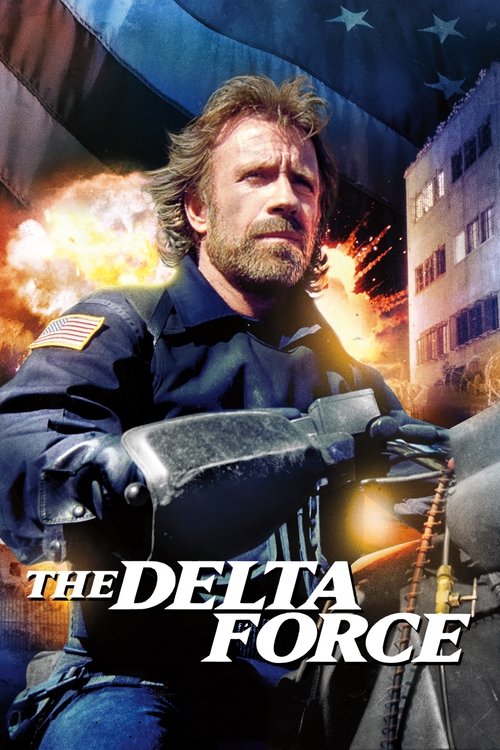
Delta Force 2: The Colombian Connection exemplifies 1990s action cinema, prioritizing thrilling action sequences over complex social issues. The film relies on a simple good-versus-evil storyline, reinforcing traditional gender and racial hierarchies without challenging conventional norms. The narrative structure centers on masculine combat and Western perspectives, lacking nuance in character development. It remains firmly rooted in the era-specific storytelling and casting clichés of the action genre.
Category Breakdown
The film does not include any LGBTQ+ characters or storylines that explore non-straight relationships.
The movie emphasizes traditional gender roles, with male soldiers taking central roles while female characters have limited influence.
The cast is mostly white males, and the South American characters are portrayed as stereotypical villains rather than well-rounded individuals.
The story presents US military intervention as the sole source of justice, without questioning Western institutions or imperialism.
The film does not depict any visible or invisible disabilities, focusing solely on physical strength and combat skills.
Present on Screen
Limited or Absent
Official Synopsis
When DEA agents are taken captive by a ruthless South American kingpin, the Delta Force is reunited to rescue them in this sequel to the 1986 film.
2018
1978

1986
1984
1990
1986

2013
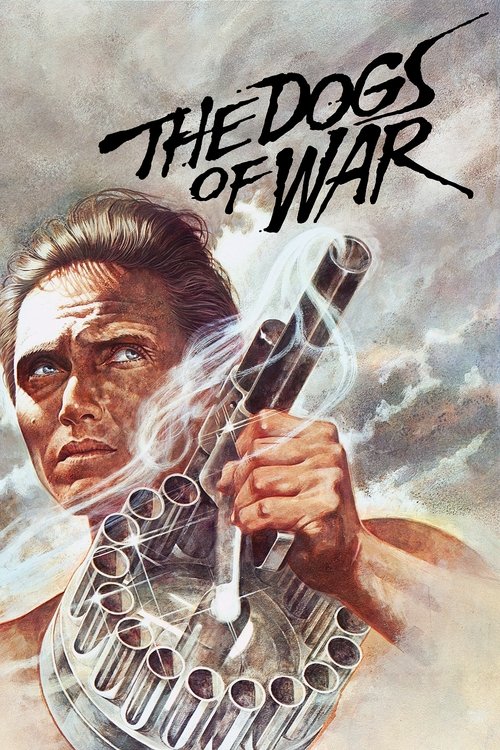
1980
No reviews yet. Be the first to share your thoughts on this movie!
Use the rating form above to leave a star rating and optional review.