
Falkenberg Farewell
2006
No user ratings available yet
Representation score: 3.4 out of 10
Representation Score
Minimal
1992
Director
Kari Paljakka
Runtime
86 minutes
Average Rating
No ratings yetNew Showbiz Analysis
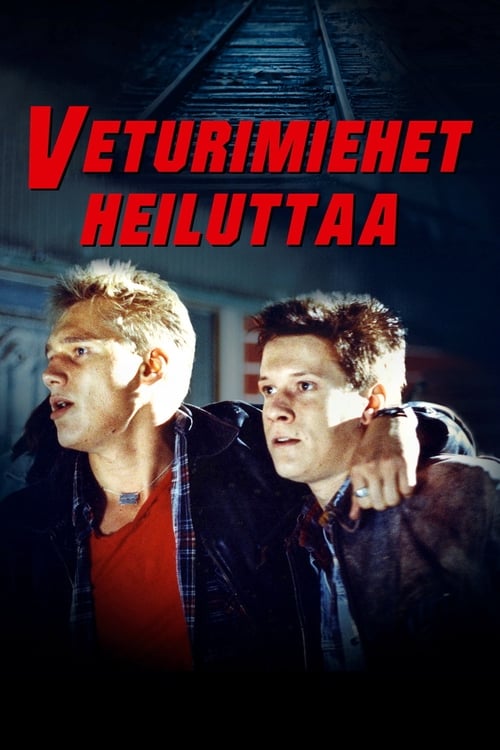
Goodbye, Trainmen is a traditional coming-of-age drama that prioritizes the personal evolution of male friendship. The narrative structure focuses on the transition from adolescence to adulthood through the divergent paths of two childhood friends. While the film avoids overt stereotypes, it operates within a narrow, localized perspective. The story lacks the intentionality needed to disrupt social hierarchies or offer multi-layered depth, functioning instead as a character-driven study of individual growth.
Category Breakdown
The film focuses on a platonic bond between male protagonists. There is no evidence of non-straight relationships or same-sex intimacy.
The story centers on male developmental arcs. While not explicitly reinforcing hierarchies, the male-centric framework lacks visible roles for women.
The small-town setting implies a homogeneous environment. There is no evidence of intentional racial diversity or varied casting.
The film follows conventional coming-of-age clichés centered on individualistic themes. It lacks critiques of Western institutions or specific cultural explorations.
The character arcs for Vähy and Hapa do not include neurodivergence, physical disabilities, or mental health conditions.
Present on Screen
Limited or Absent
Official Synopsis
Small-town boys Vähy and Hapa are best friends who swear an eternal blood oath. As they grow up, however, their paths drift apart and they both find themselves searching for their place in the world.
2006

1997

2006

1998

2001

2007

2021
1999
No reviews yet. Be the first to share your thoughts on this movie!
Use the rating form above to leave a star rating and optional review.