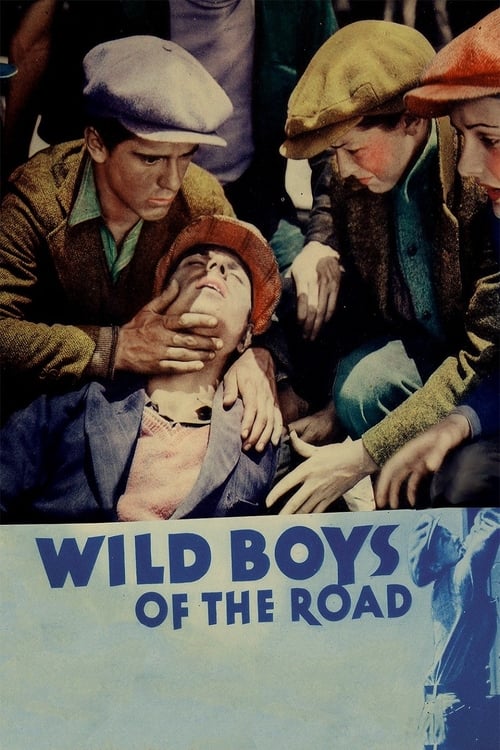
Wild Boys of the Road
1933
No user ratings available yet
Representation score: 3.6 out of 10
Representation Score
Fair
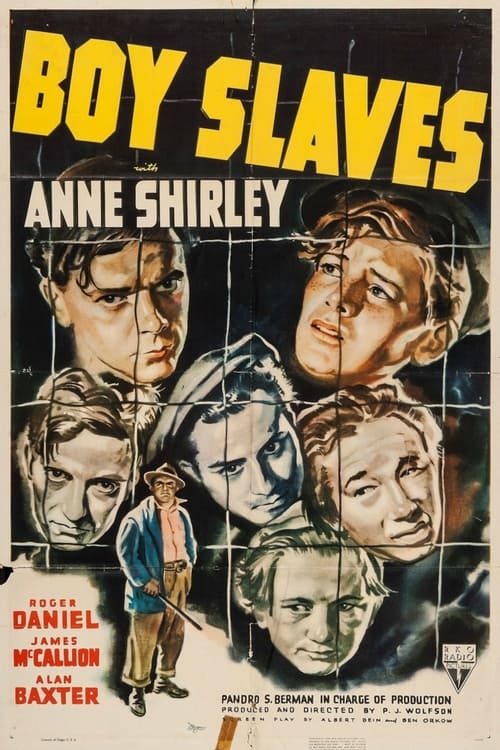
1939
NRDirector
P.J. Wolfson
Runtime
72 minutes
Average Rating
No ratings yetNew Showbiz Analysis
Boy Slaves serves as a social exposé that prioritizes class struggle over identity-based representation. The film disrupts 1930s cinematic norms by framing children as political agents rather than passive subjects. While the narrative lacks modern markers regarding race and gender, it offers a sophisticated critique of capitalist exploitation. The focus remains on the systemic injustice of peonage and the failure of institutional protections. Ultimately, the film's strength lies in its portrayal of systemic victimhood and the fight for reform through collective resistance.
Category Breakdown
The film focuses on the socio-economic struggles of runaway children. There are no LGBTQ+ characters or perspectives that reflect non-straight relationships.
The plot centers on a male-dominated group of boys navigating labor camp conditions. While Anne Shirley is a top-billed actress, the primary roles belong to the male characters.
The story functions as a class-based social drama. There is no explicit mention of a multi-ethnic cast, focusing instead on age and economic status.
The film critiques Western institutions like the judicial system and company stores. It portrays systemic corruption and the necessity of collective action against exploitation.
A character suffers an amputation due to hazardous working conditions. This physical disability serves as a catalyst for the boys' protest against industrial negligence.
Present on Screen
Limited or Absent
Official Synopsis
Social drama of Depression-era homeless children who turn to crime and are sentenced by a judge to a rehabilitation "labor camp".
1933
1938

1932
1939
1944
1937
1933
1932
No reviews yet. Be the first to share your thoughts on this movie!
Use the rating form above to leave a star rating and optional review.