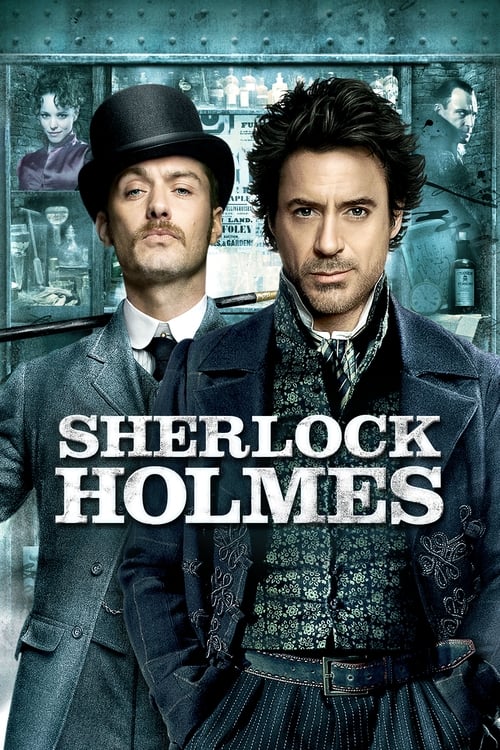
Sherlock Holmes
2009
No user ratings available yet
Representation score: 5.0 out of 10
Representation Score
Good
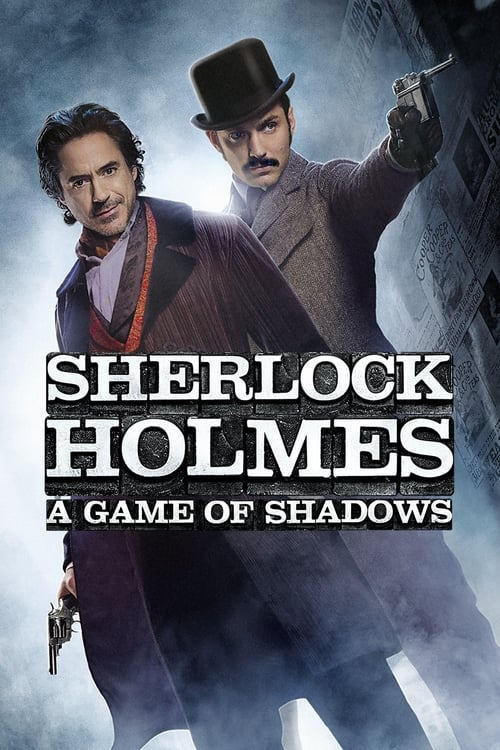
2011
PG-13Director
Guy Ritchie
Runtime
129 minutes
Average Rating
No ratings yetNew Showbiz Analysis
Guy Ritchie’s film stands out by challenging social hierarchies rather than focusing on demographic diversity. By elevating Irene Adler to an intellectual equal, the story defies period-typical depictions of femininity and control. Additionally, the narrative offers a critical view of corrupt political and military institutions. However, the film remains confined to the demographic homogeneity of the late 19th century. The lack of racial diversity and the absence of LGBTQ+ representation keeps the social scope narrow. Ultimately, the film explores the tension between individual morality and corrupt institutions, prioritizing a nuanced critique over broad demographic inclusion.
Category Breakdown
The film follows traditional assumptions about straight relationships and gender roles, with no visible LGBTQ+ identities or same-sex intimacy among the main characters.
Irene Adler challenges the Victorian hierarchy as an intellectual peer to Holmes, playing a significant role in driving the story. The film passes the Bechdel test with conversations between women that aren't centered around men.
The cast is primarily Anglo-Saxon, reflecting the demographics of the time. The film touches on global geopolitics but lacks significant racial blending or intentional diverse casting.
The narrative criticizes Western institutions by portraying political and military structures as corrupt. It presents the pursuit of global dominance as a predatory endeavor.
No central characters are defined by visible or invisible disabilities. The film lacks intentional inclusion of characters with disabilities as primary plot drivers.
Present on Screen
Limited or Absent
Official Synopsis
There is a new criminal mastermind at large (Professor Moriarty) and not only is he Holmes’ intellectual equal, but his capacity for evil and lack of conscience may give him an advantage over the detective.
2009
1942

2013
1939

2016

1985
2008
1978
No reviews yet. Be the first to share your thoughts on this movie!
Use the rating form above to leave a star rating and optional review.