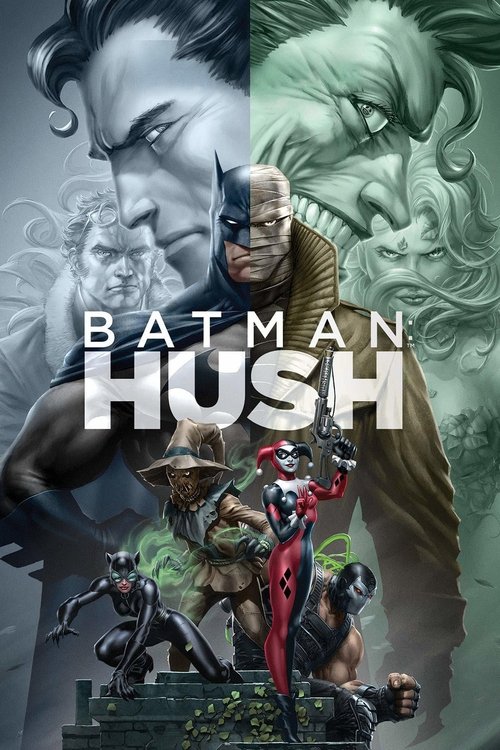
Batman: Hush
2019
No user ratings available yet
Representation score: 5.0 out of 10
Representation Score
Fair
1993
PGDirector
Bruce Timm, Eric Radomski
Runtime
76 minutes
Average Rating
No ratings yetNew Showbiz Analysis
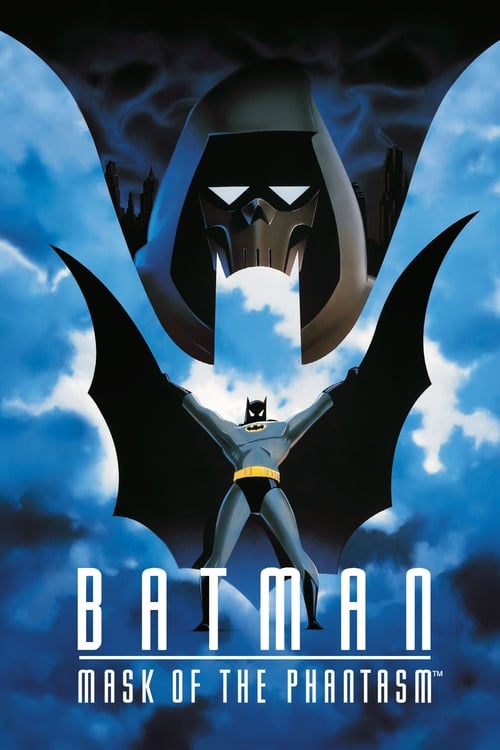
Batman: Mask of the Phantasm is a sophisticated noir that prioritizes psychological depth over superhero clichés. It deconstructs the hero archetype through complex, morally ambiguous motivations. The film's strength lies in its subversion of gender roles and its skeptical view of institutional authority. Andrea Beaumont stands out as a character with genuine ability to act and emotional complexity. However, the work remains demographically traditional. It lacks diverse representation, particularly regarding race and LGBTQ+ identities, and relies on a largely homogeneous, upper-class social setting.
Category Breakdown
The film focuses entirely on a romance between Bruce Wayne and Andrea Beaumont, with no representation of LGBTQ+ identities or non-assuming gender matches what was assigned at birth characters.
Andrea Beaumont plays a significant role in driving the story, avoiding the damsel in distress cliché. However, the power dynamic remains centered on Batman's vigilante identity.
The cast is predominantly white and reflects a Eurocentric power structure. The narrative centers on an upper-class, white-coded protagonist and his social circle.
The story critiques institutional efficacy, portraying Gotham's legal structures as compromised. It explores how systemic failure drives characters toward lethal vigilantism using moral relativism.
Themes of psychological trauma and grief motivate characters, but these elements function more as plot catalysts than as nuanced explorations of lived neurodivergent experiences.
Present on Screen
Limited or Absent
Official Synopsis
Andrea Beaumont leaves her father to return to Gotham, rekindling an old romance with Bruce Wayne. At the same time, a mysterious figure begins to hunt down Gotham's criminals, wrongly implicating Batman in the murders. Now on the run from the law, Batman must find and stop the culprit, while also navigating his relationship with Andrea.
2019
1998
2021
1997
2010
2021
2016
2003
No reviews yet. Be the first to share your thoughts on this movie!
Use the rating form above to leave a star rating and optional review.