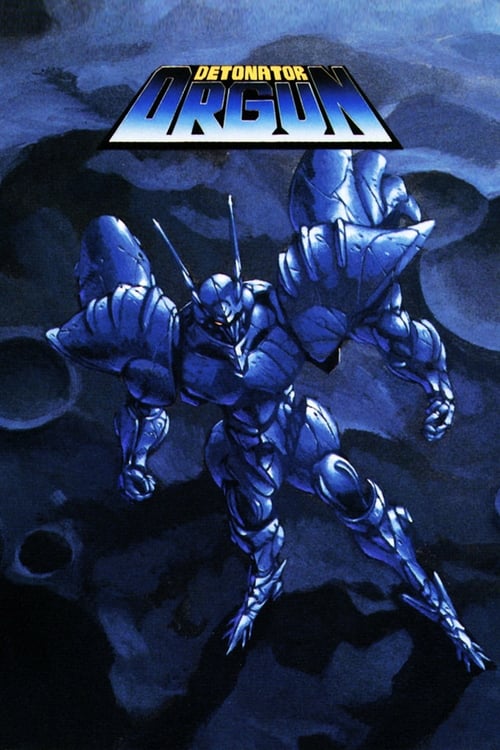
Detonator Orgun
1991
No user ratings available yet
Representation score: 0.8 out of 10

Representation Score
Fair
1984
UnratedDirector
Hiroshi Fukutomi
Runtime
120 minutes
Average Rating
No ratings yetNew Showbiz Analysis
Locke the Superman is a genre-driven science fiction film that emphasizes traditional hero clichés over social critique. While its Japanese origin provides a non-Western perspective, the narrative remains anchored in traditional power structures and binary conflicts. The film relies on established archetypes, such as the powerful masculine protector and the influential female antagonist, but it lacks the nuanced representation of disability and identity.
Category Breakdown
The film centers on a conflict between Locke and Lady Kahn, presenting a binary opposition without any representation of non-binary or LGBTQ+ identities.
Lady Kahn is a strong female antagonist who drives the plot forward. However, Locke embodies a traditional masculine protector role, reinforcing conventional gender roles.
As a Japanese production, the film provides a non-Western perspective. However, it does not feature multi-ethnic or multi-layered casting.
The story follows a classic hero's journey focused on restoring order. It lacks systemic critiques and leans towards traditional clichés that maintain the status quo.
Superhuman abilities are showcased as a spectacle rather than explored as lived experiences of disability. Locke's social detachment is portrayed as a personal choice rather than a nuanced depiction of neurodivergence.
Present on Screen
Limited or Absent
Official Synopsis
When the villainous Lady Kahn starts building an army of super-powerful espers, Colonel Ryu Yamaki is dispatched to recruit the most powerful superhuman in the known universe to help oppose her. Unfortunately, the esper known only as Locke has either never heard the "with great powers come great responsibilities" speech or he simply doesn't care, and he refuses to leave his peaceful civilian life herding sheep. However, when Lady Kahn makes a preemptive move to take Locke and Ryu out of the picture, the irritated superbeing quickly changes his mind. Now the bad guys are about to learn that starting a fight with someone with super powers that include teleportation, a nearly indestructible force field and space martial arts was a very big mistake!
1991
1998
1991
2024
1996
1990
1992
1989
No reviews yet. Be the first to share your thoughts on this movie!
Use the rating form above to leave a star rating and optional review.