
Reggae in a Babylon
1978
No user ratings available yet
Representation score: 4.0 out of 10
Representation Score
Fair
1982
PGDirector
Alan Greenberg
Runtime
90 minutes
Average Rating
No ratings yetNew Showbiz Analysis
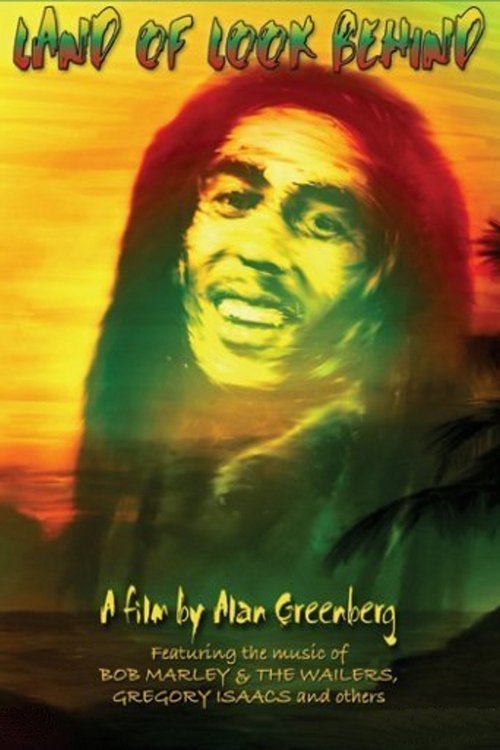
Land of Look Behind succeeds as a piece of post-colonial storytelling by centering the Rastafarian movement and the cultural weight of Bob Marley's funeral. This focus provides a powerful platform for Black resistance and non-Western spiritual expression, effectively challenging traditional Western documentary perspectives. However, the film's impact is limited by a lack of visibility regarding gender dynamics and LGBTQ+ narratives. While the cultural and racial depth is significant, the absence of information regarding women's ability to drive the story or sexual identity prevents a higher overall score. Ultimately, the documentary is a vital look at underrepresented religious and ethnic identities, even if it remains narrow in its social scope.
Category Breakdown
The documentary focuses on the Rastafarian community and Bob Marley's legacy. There is no explicit evidence of LGBTQ+ characters or narratives within the film's context.
The film documents a specific cultural movement but lacks detail regarding gender dynamics. There is no visible evidence of women's ability to drive the story or the subversion of gender hierarchies.
The film centers the Rastafarian experience in Jamaica, providing high levels of racial ability to act. It disrupts the Western gaze by documenting Black resistance and non-white identity.
The narrative prioritizes non-Western spiritualities and critiques Western hegemony. It engages deeply with themes of anti-colonialism and alternative social structures through Rastafarianism.
There is no evidence that disability, neurodivergence, or physical impairment are central themes or utilized as plot devices in this work.
Present on Screen
Limited or Absent
Official Synopsis
Vignettes portraying the Rastafarians in Jamaica feature the 1981 funeral of musician Bob Marley.
1978
1981
2008
2018
2018

1979

2000
1978
No reviews yet. Be the first to share your thoughts on this movie!
Use the rating form above to leave a star rating and optional review.