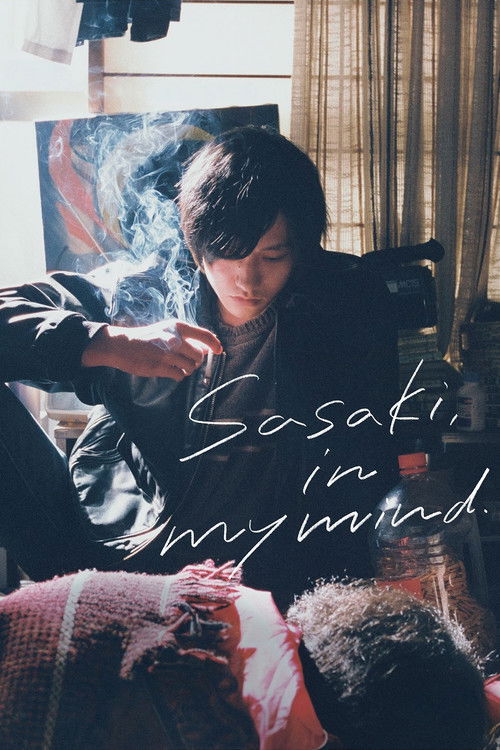
Sasaki in My Mind
2020
No user ratings available yet
Representation score: 7.3 out of 10

Representation Score
Fair
2021
TV-MADirector
Yoshihiro Mori
Runtime
124 minutes
Average Rating
No ratings yetNew Showbiz Analysis
This film is a contemplative, character-driven drama that emphasizes psychological realism over identity-focused storytelling. It provides a culturally authentic look at Japanese urban life and avoids harmful stereotypes through its focus on existential unease. However, the film lacks intentional diversity. It doesn't include LGBTQ+ identities, non-straight-centered dynamics, or characters with disabilities. It remains within conventional dramatic structures. Ultimately, the film serves as a localized study of aimlessness. While it subtly critiques societal milestones, it lacks the breadth needed for a higher diversity rating.
Category Breakdown
The film centers on traditional romantic feelings and personal vulnerabilities. It doesn't include stories about LGBTQ+ individuals or dynamics that go beyond typical heterosexual relationships.
The story avoids strict gender roles by highlighting emotional vulnerability instead of masculine dominance. It keeps a balanced perspective without overtly challenging traditional gender norms.
The cast and setting are mainly Japanese, focusing on a specific Tokyo context. It operates as a localized study rather than exploring various ethnic backgrounds.
The plot examines the loss of innocence and uncertainty in modern life. It gently questions traditional paths to stability by focusing on lost hopes and dreams.
There is no indication of physical, neurodivergent, or mental health disabilities among the characters. Their struggles are portrayed as universal existential issues rather than specific disability experiences.
Present on Screen
Limited or Absent
Official Synopsis
Prodded by a friend request, a feckless forty-something recalls his past relationships from the 90s onward, looking for his vanished hopes and dreams.
2020

2009

2020

2011

2006

2022

1999

2021
No reviews yet. Be the first to share your thoughts on this movie!
Use the rating form above to leave a star rating and optional review.