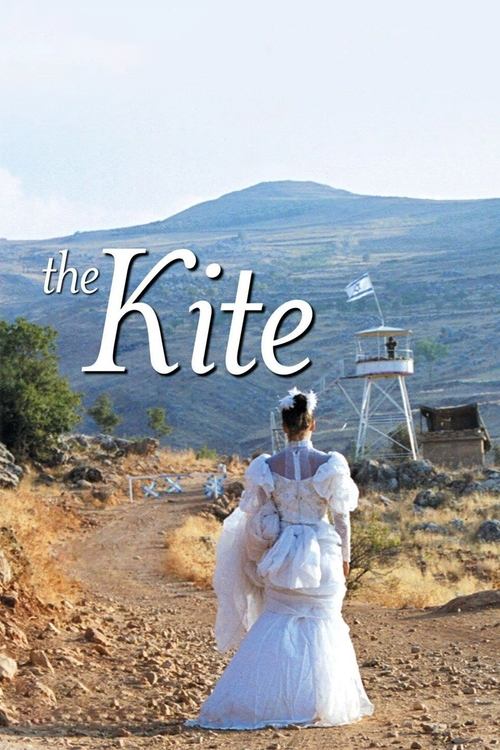
The Kite
2004
No user ratings available yet
Representation score: 4.3 out of 10

Representation Score
Good
2014
Director
Suha Arraf
Runtime
87 minutes
Average Rating
No ratings yetNew Showbiz Analysis
Villa Touma stands out by shifting the cinematic lens toward a non-Western domestic sphere. It avoids mainstream Western clichés by focusing on the specific socio-political realities of a Palestinian Christian family. The film's strength lies in its exploration of women's autonomy and regional identity. By centering on unmarried women, it provides a character-driven study of gendered ability to act and the erosion of class structures. However, the film lacks representation for LGBTQ+ identities and disability. While it offers a rich cultural perspective, these specific demographic areas remain unaddressed in the current narrative.
Category Breakdown
The film does not explicitly include characters with queer identities or non-straight relationships. The narrative focuses on the domestic lives of the sisters and their niece.
The story centers on women's ability to drive the plot, focusing on three unmarried women who run their own household. This challenges patriarchal structures by making women the main drivers of the story.
The film provides visibility to a specific Palestinian cultural landscape. By centering a Christian family in Ramallah, it challenges the homogeneity often found in global cinema.
The narrative explores class decay and the struggle to maintain social standing. It offers a nuanced look at traditional social hierarchies and the complexities of familial duty.
There is no mention of characters navigating physical or neurodivergent disabilities within the narrative.
Present on Screen
Limited or Absent
Official Synopsis
Three unmarried aristocratic Christian sisters from Ramallah have shut themselves in their villa clinging desperately to their former glory, until their orphan niece, Badia, walks into their life and turns their world upside down.
2004

2016

2005

2016

2004
2018

1999

2015
No reviews yet. Be the first to share your thoughts on this movie!
Use the rating form above to leave a star rating and optional review.