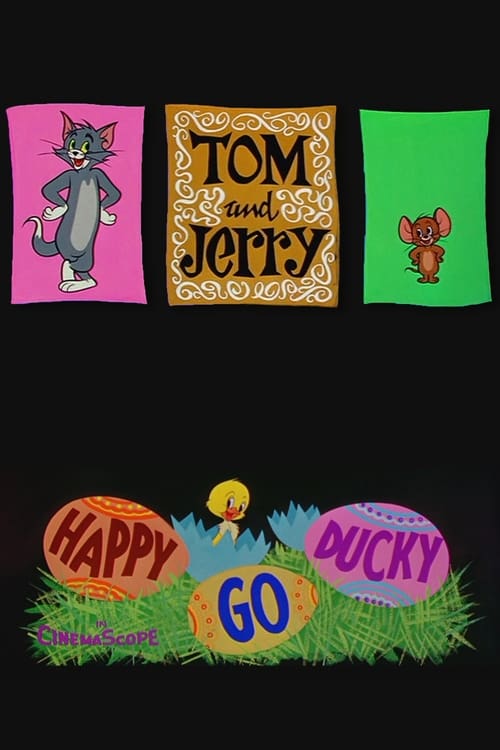
Happy Go Ducky
1958
No user ratings available yet
Diversity score: 1.3 out of 10

1966
NRDirector
William Hanna, Joseph Barbera
Runtime
89 minutes
Average Rating
No ratings yetSynopsis
In this feature-length film based on the "Flintstones" TV show, secret agent Rock Slag is injured during a chase in Bedrock. Slag's chief decides to replace the injured Slag with Fred Flintstone, who just happens to look like him. The trip takes Fred to Paris and Rome, which is good for Wilma, Barney, and Betty, but can Fred foil the mysterious Green Goose's evil plan for a destructive missile without letting his wife and friends in on his secret?
Overall Score
Minimal
Category Breakdown
LGBTQ+ Representation
The film adheres strictly to heteronormative structures. There is no evidence of non-cisnormative identities or same-sex intimacy within the character dynamics.
Gender Representation
Gender hierarchies are reinforced through traditional roles. While female characters are central to the social fabric, the plot's momentum is driven by male agency in the espionage subplot.
Racial & Ethnic Diversity
Bedrock presents a homogeneous social environment. The cast lacks racial or ethnic variance, reflecting a monolithic social structure typical of 1960s animation.
Religious & Cultural Diversity
The narrative functions as a parody of Western spy cinema. It reinforces traditional Western values of stability and domesticity without engaging with diverse institutional themes.
Disability Representation
Physical injury to Rock Slag serves primarily as a plot device. The impairment drives the narrative transition rather than exploring the lived experience of disability.
Strengths
Areas for Improvement
AI Analysis
The film is a quintessential product of its era, prioritizing genre-based comedy and established social archetypes over progressive representation. It relies on mid-century domesticity and traditional hierarchies to drive its slapstick humor. Narrative agency is heavily skewed toward male protagonists, while the social environment remains remarkably homogeneous. The story functions as escapism within a standardized, monolithic framework rather than a space for intersectional exploration. Ultimately, the work reinforces the conventional social structures of the 1960s. It avoids challenging systemic norms, opting instead to mirror the pop culture tropes of its time.
1958
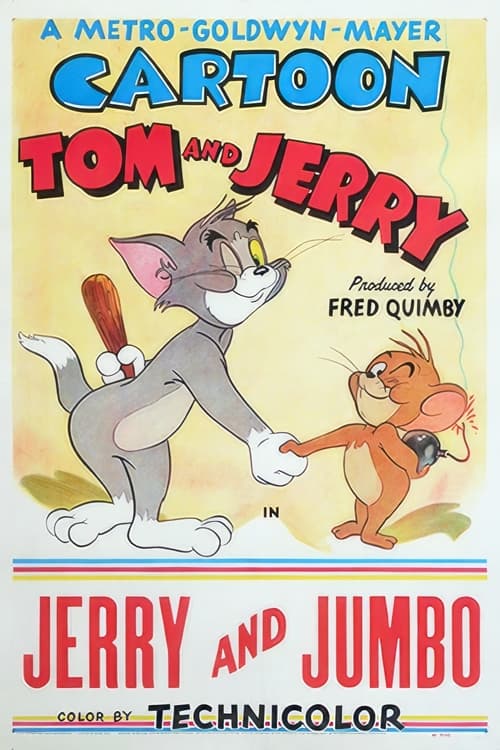
1953

2002
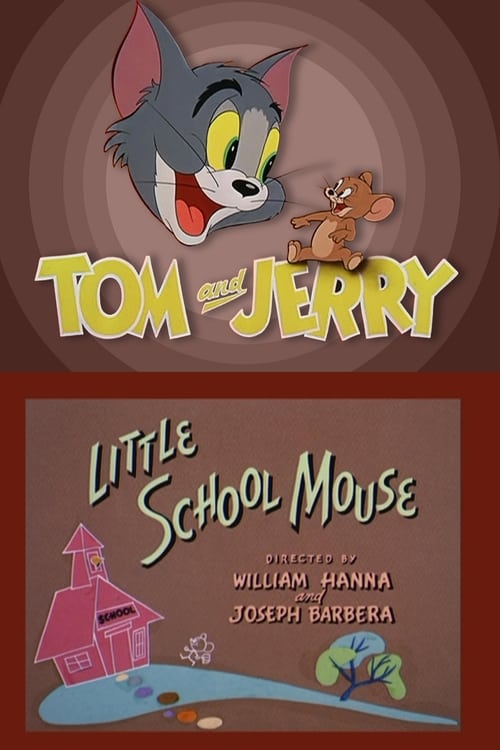
1954
No reviews yet. Be the first to share your thoughts on this movie!
Use the rating form above to leave a star rating and optional review.