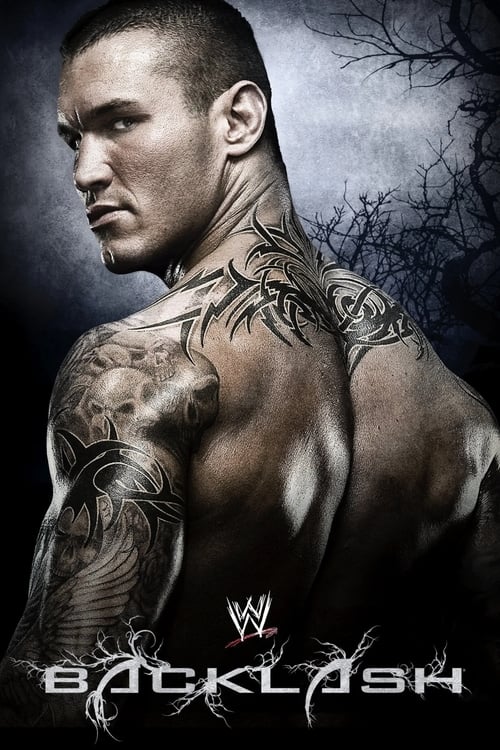
WWE Backlash 2009
2009
No user ratings available yet
Diversity score: 1.6 out of 10
2007
PG-13Director
Kevin Dunn
Runtime
210 minutes
Average Rating
No ratings yetSynopsis
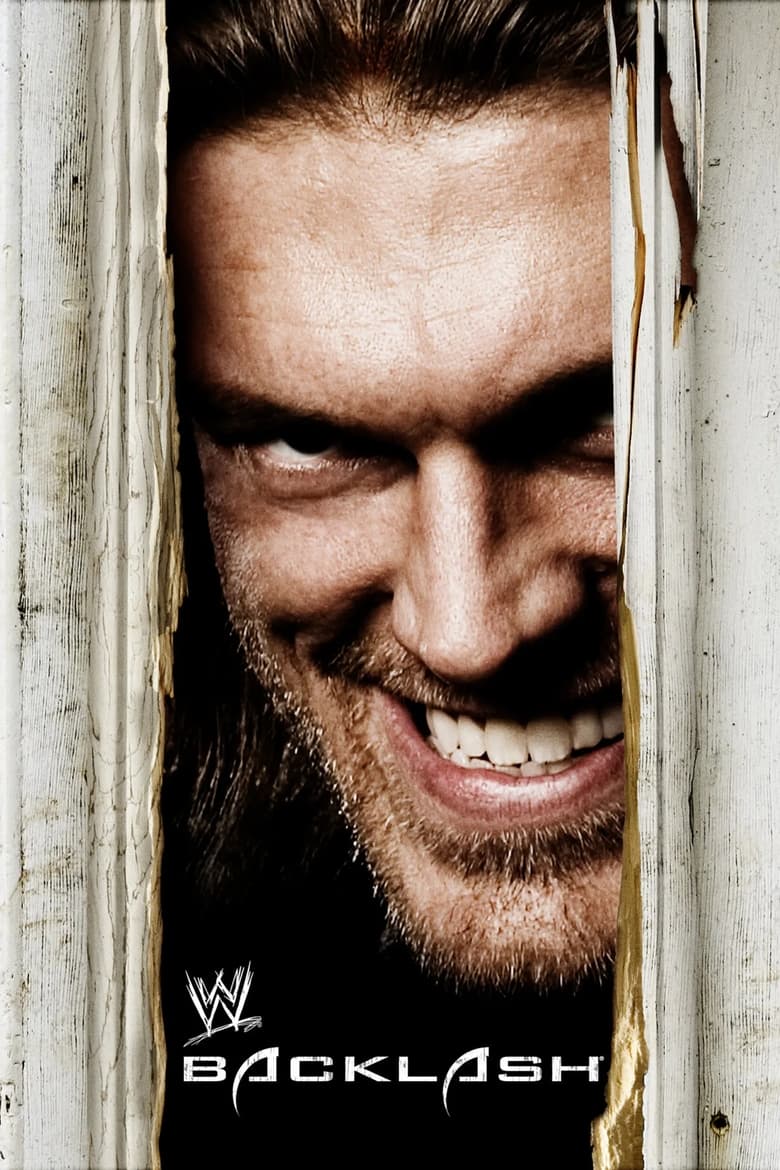
Backlash (2007) was a PPV which took place on April 29, 2007 at the Philips Arena in Atlanta, Georgia. It was the ninth annual event under the Backlash name and starred talent from Raw, SmackDown!, and ECW. The main match on the Raw brand was a Fatal Four-Way match for the WWE Championship involving champion John Cena, Randy Orton, Edge, and Shawn Michaels. The primary match on the SmackDown! brand was a Last Man Standing match for the World Heavyweight Championship between The Undertaker and Batista. The featured match on the ECW brand was Bobby Lashley versus Team McMahon (Umaga, Vince and Shane McMahon) in a Handicap match for the ECW World Championship.
Overall Score
Minimal
Category Breakdown
LGBTQ+ Representation
The event lacks LGBTQ+ characters or narratives addressing non-cisnormative identities. It operates within a strictly heteronormative framework focused on athletic competition.
Gender Representation
The broadcast is overwhelmingly dominated by male performers. Primary championship matches feature exclusively men, reinforcing traditional hierarchies and limiting female agency to peripheral roles.
Racial & Ethnic Diversity
The roster shows moderate racial diversity with athletes like Bobby Lashley and Umaga. However, the presentation relies on traditional archetypes rather than intersectional casting.
Religious & Cultural Diversity
The production emphasizes Western entertainment values like individual physical dominance and corporate spectacle. It does not seek to deconstruct Western institutions or prioritize secularist themes.
Disability Representation
There is no evidence of performers representing visible or invisible disabilities. The focus remains entirely on able-bodied athletic performance.
Strengths
Areas for Improvement
AI Analysis
WWE Backlash 2007 functions as a high-energy athletic spectacle rather than a narrative film. While it features a diverse roster of athletes, the presentation adheres to established sports-entertainment tropes that prioritize brand hierarchy over social commentary. The event lacks structural depth for intersectional storytelling. It relies on traditional archetypes and a patriarchal power structure, leaving little room for progressive representation or complex character development. Ultimately, the production celebrates the institution of professional wrestling through a lens of physical dominance and Western entertainment norms, resulting in a narrow scope of representation.
2009
2005
2003
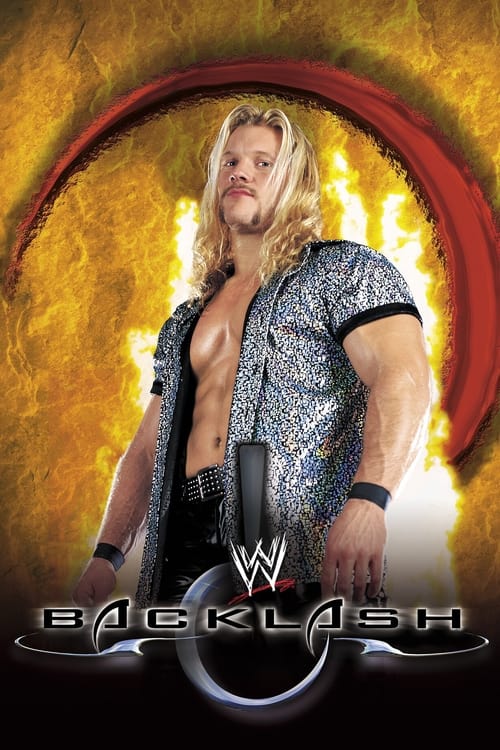
2000
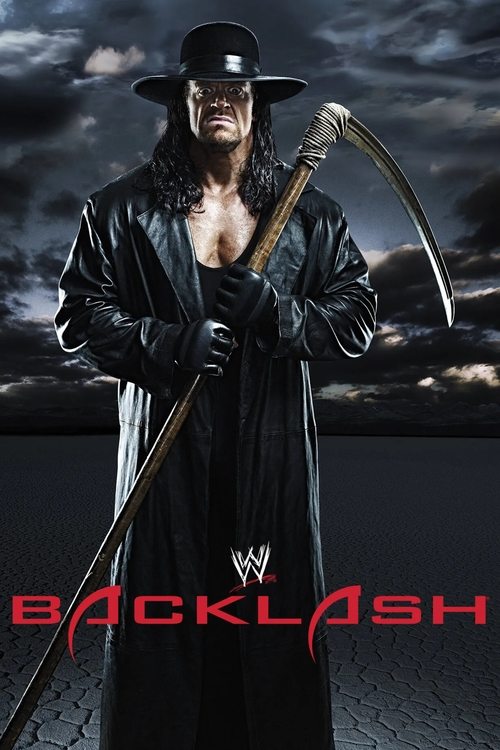
2008
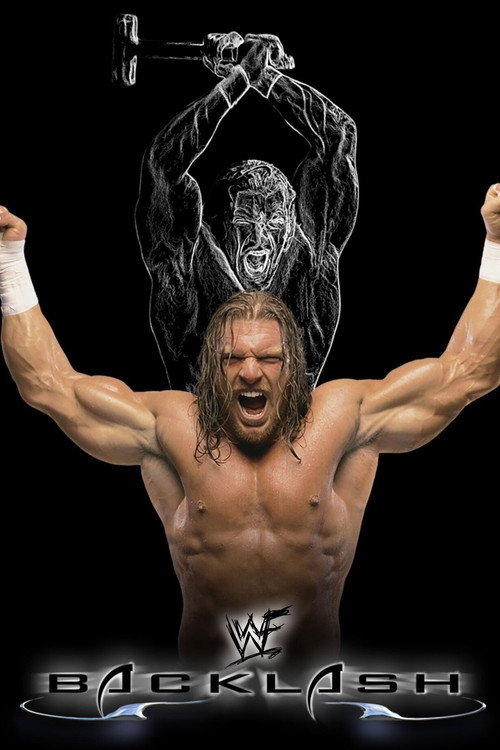
2001

2006
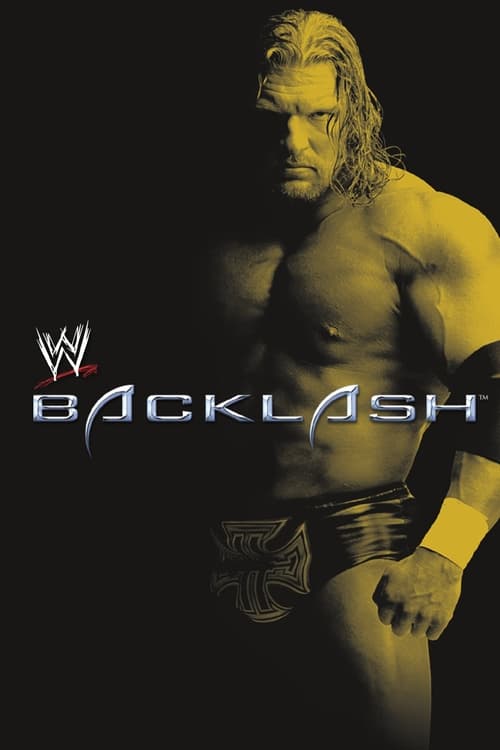
2002
2007
2009
2004
2003
No reviews yet. Be the first to share your thoughts on this movie!
Use the rating form above to leave a star rating and optional review.