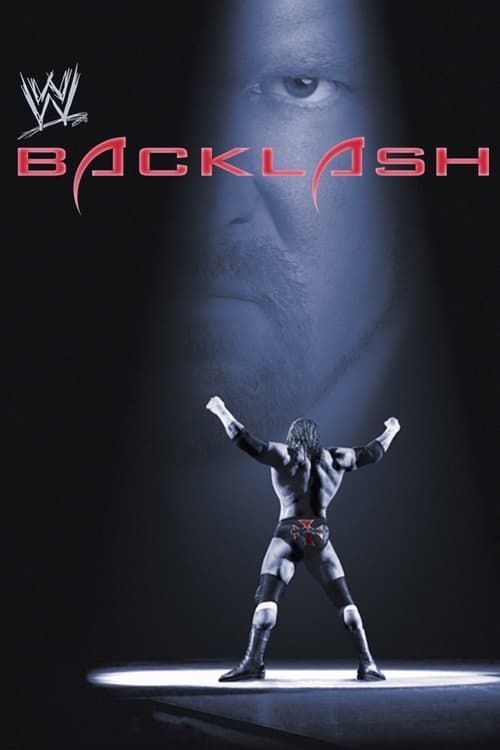
WWE Backlash 2005
2005
No user ratings available yet
Diversity score: 1.9 out of 10
2001
TV-14Director
Kevin Dunn
Runtime
163 minutes
Average Rating
No ratings yetSynopsis
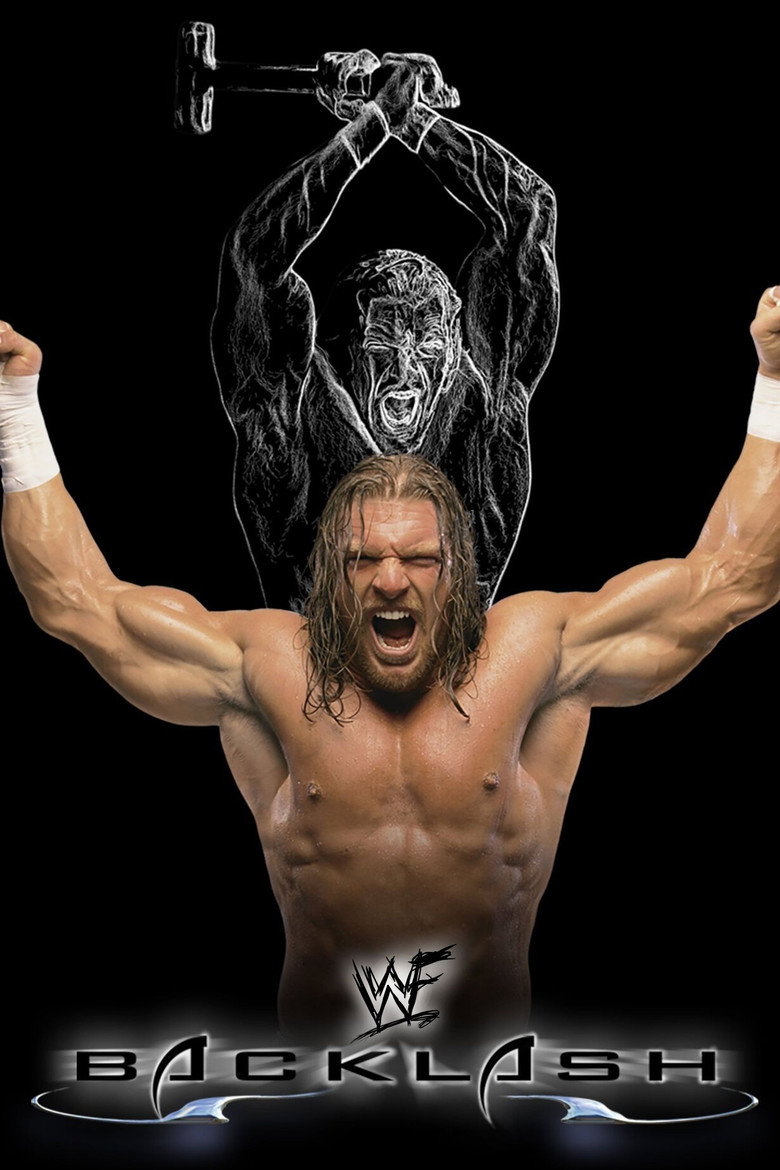
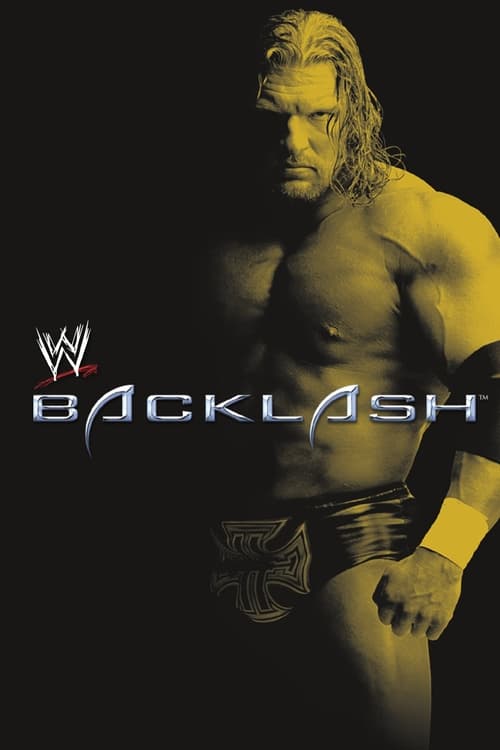
Backlash (2001) was a PPV presented by Castrol GTX. It took place on April 29, 2001 at the Allstate Arena in Rosemont, Illinois, and was the third event under the Backlash chronology. The main event was a tag team match for the WWF Championship, the WWF Intercontinental Championship, and the WWF Tag Team Championship between The Two Man Power Trip (Steve Austin and Triple H) and the Brothers of Destruction (Kane and The Undertaker), in which the person to get the fall would win the Tag Team Championship as well as the championship of the wrestler who was pinned. Featured matches on the undercard included a Last Man Standing match between Shane McMahon and The Big Show and an Ultimate Submission match featuring Chris Benoit and Kurt Angle.
Overall Score
Minimal
Category Breakdown
LGBTQ+ Representation
The broadcast adheres to the heteronormative standards of the era. There is no evidence of queer themes or non-cisnormative identities present in the production.
Gender Representation
Narratives focus on a male-dominated hierarchy and traditional masculine archetypes. The event lacks female agency or any subversion of gendered power dynamics.
Racial & Ethnic Diversity
Performers like The Rock and Kurt Angle represent different ethnic backgrounds. However, race is not used as a central narrative driver or tool for critique.
Religious & Cultural Diversity
The production emphasizes Western sports-entertainment and individual competition. It reinforces a hero/villain dichotomy rather than exploring moral relativism or systemic issues.
Disability Representation
The event prioritizes physical perfection and traditional bodily capability. There is no portrayal of characters with visible or invisible disabilities.
Strengths
Areas for Improvement
AI Analysis
WWE Backlash 2001 is a product of its time, prioritizing high-impact spectacle and established archetypes over progressive storytelling. The event's structure is built around physical dominance and a rigid hierarchy of masculine archetypes. While the roster includes performers of various ethnic backgrounds, these identities are not explored through a lens of systemic critique or intersectionality. The focus remains strictly on the competitive athletic product. Ultimately, the broadcast functions as a commercial spectacle that upholds traditional social norms. It offers almost no engagement with intersectional identities or the subversion of established social hierarchies.
2005

2007

2009
2003

2006
2000
2008
2002

2009
2004
2008
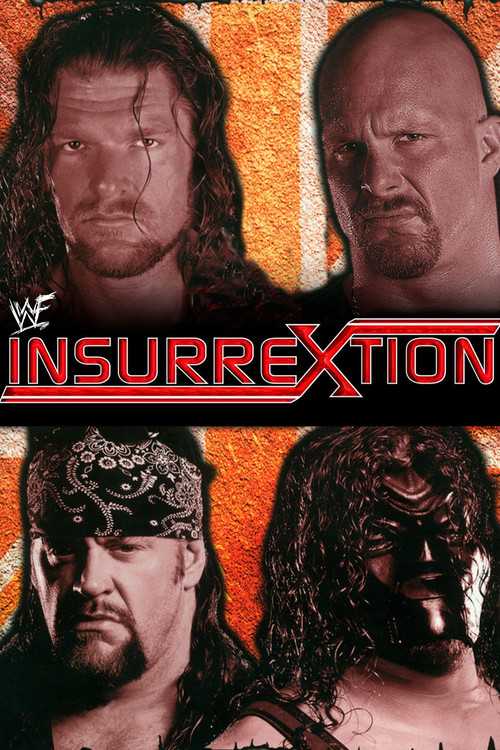
2001
No reviews yet. Be the first to share your thoughts on this movie!
Use the rating form above to leave a star rating and optional review.