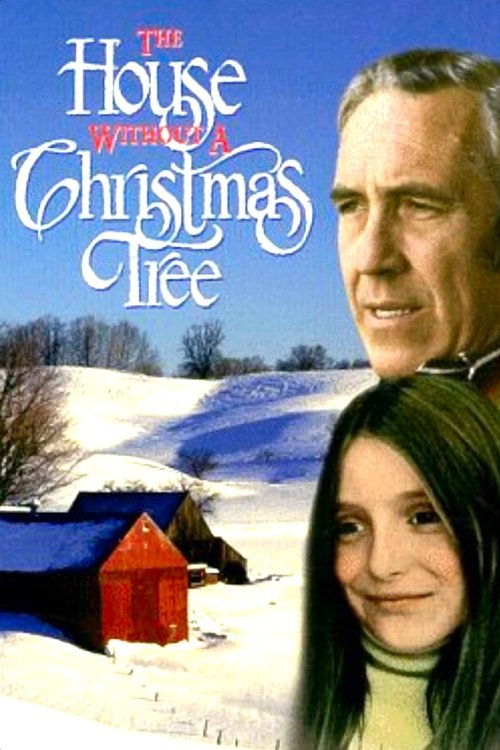
The House Without a Christmas Tree
1972
No user ratings available yet
Representation score: 0.4 out of 10
Representation Score
Limited
2004
PG-13Director
Jace Alexander
Runtime
97 minutes
Average Rating
No ratings yetNew Showbiz Analysis
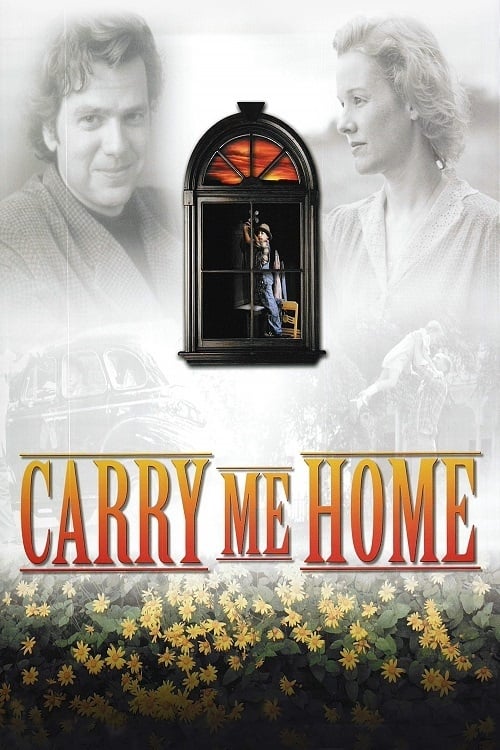
Carry Me Home is a traditional period drama that focuses on moral instruction and the restoration of conventional social hierarchies. Set in mid-20th century America, it explores themes of grief, family stability, and community responsibility. While the film offers some subversions of gender norms through Carrie’s tomboyish behavior, its narrative structure remains firmly grounded in traditional values. The portrayal of disability primarily serves as a catalyst for the protagonist's moral growth rather than offering a complex representation. Overall, the film lacks significant LGBTQ+ or racial diversity, emphasizing instead a homogeneous community and traditional Western social structures.
Category Breakdown
There are no LGBTQ+ characters or non-cisgender identities in the film. The main romance is a traditional heterosexual relationship between Harriet and Bernard.
Carrie is portrayed as a tomboy who resists traditional feminine roles. However, the story is still a conventional coming-of-age tale focused on social acceptance.
The film is set in 1947 rural New York and seems to depict a homogeneous, likely Anglo-centric community. There are no non-white characters mentioned.
The story emphasizes traditional Western values, community responsibility, and restoring social order. It centers on rebuilding the family unit and reinforcing moral cohesion.
Charlie, a mentally challenged neighbor, is a target of the children's mischief. Although the plot includes lessons about bullying, Charlie does not have much independence or ability to act.
Present on Screen
Limited or Absent
Official Synopsis
A widow named Harriet and her two children Carrie and Brian are living in rural New York in 1947 and are still recovering from the death of Harriet's husband killed in World War II. Carrie is a tomboy and hangs around with boys and they have their own clubhouse. Carrie and her friends make mischief and taunt their mentally challenged neighbor Charlie by stealing one of his puppies. Harriet meets a man named Bernard and begin a courtship, but Carrie is furious that her mother is dating Bernard and wants it to stop. The jealousy and anger of Carrie raises to a fever pitch when Carrie and her friends destroy their neighbor Mr. Grizzle's garden and pour sugar into his tractor. Grizzle then takes Charlie's other puppies away from him and then Grizzle's barn is destroyed by fire. Carrie learns it's time for her to grow up and make amends with her mother and her neighbors for the grief and pain she caused them.
1972
1946
1997
2010

1999

2004

1999
2005
No reviews yet. Be the first to share your thoughts on this movie!
Use the rating form above to leave a star rating and optional review.