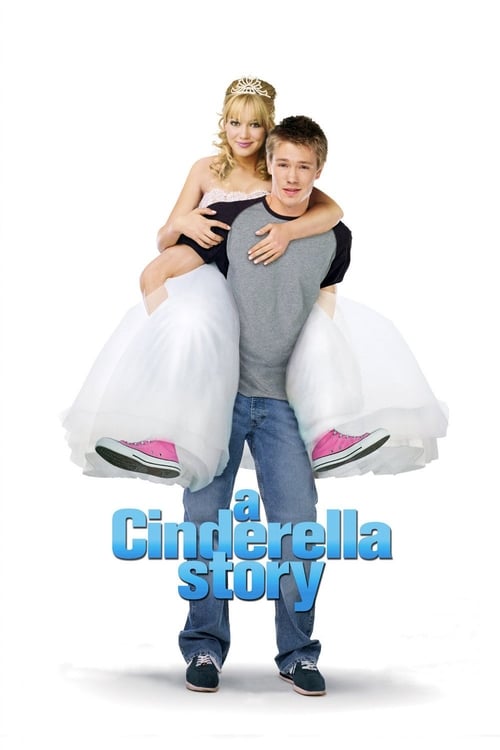
A Cinderella Story
2004
No user ratings available yet
Representation score: 2.9 out of 10
Representation Score
Minimal
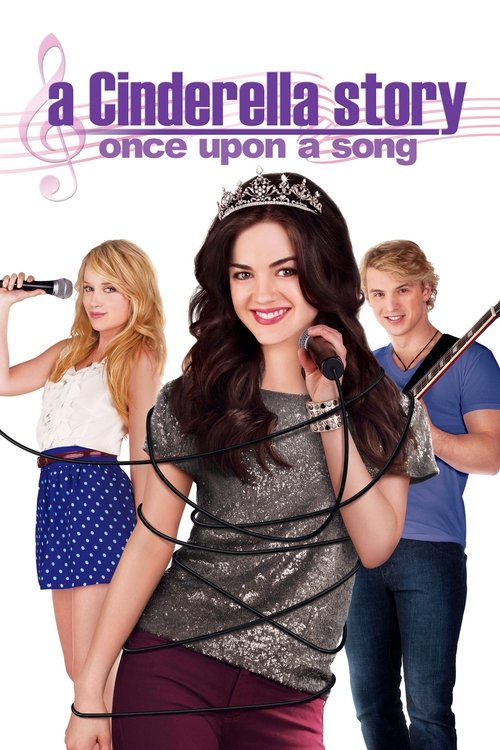
2011
PGDirector
Damon Santostefano
Runtime
88 minutes
Average Rating
No ratings yetNew Showbiz Analysis
The film relies heavily on conventional teen romance clichés and traditional social hierarchies. While it explores socioeconomic hardship through the protagonist's personal resilience, it does so within a very narrow demographic lens. Representation is limited by a lack of diversity, focusing instead on a standard romantic arc and a homogeneous cast. Ultimately, the film serves as a safe, traditional reimagining of folklore that avoids challenging established cultural or systemic norms.
Category Breakdown
The film follows a traditional storyline focused on a heterosexual relationship between the main character and her love interest.
Katie Gibbs plays a significant role in the story through her musical talent and resilience. However, the film's focus on a central romantic plot limits the scope of female interactions.
The cast is predominantly white and Anglo-Saxon, with the story focusing on suburban social hierarchies rather than diverse backgrounds.
The narrative emphasizes meritocracy and success through established institutions such as musical competitions. It upholds a traditional view of family and social structures.
The film does not include any characters with visible or invisible disabilities, nor does it address neurodivergence or physical challenges.
Present on Screen
Limited or Absent
Official Synopsis
In this modern telling of the classic tale, aspiring singer Katie Gibbs falls for the new boy at her performing arts high school. But Katie's wicked stepmother and stepsister are scheming to crush her dream before she can sing her way into his heart.
2004
1997
2016
2009
2019
1962
2004

2004
No reviews yet. Be the first to share your thoughts on this movie!
Use the rating form above to leave a star rating and optional review.