
Ek Aur Ek Gyarah: By Hook or by Crook
2003
No user ratings available yet
Representation score: 1.6 out of 10
Representation Score
Minimal
1993
Not RatedDirector
David Dhawan
Runtime
170 minutes
Average Rating
No ratings yetNew Showbiz Analysis
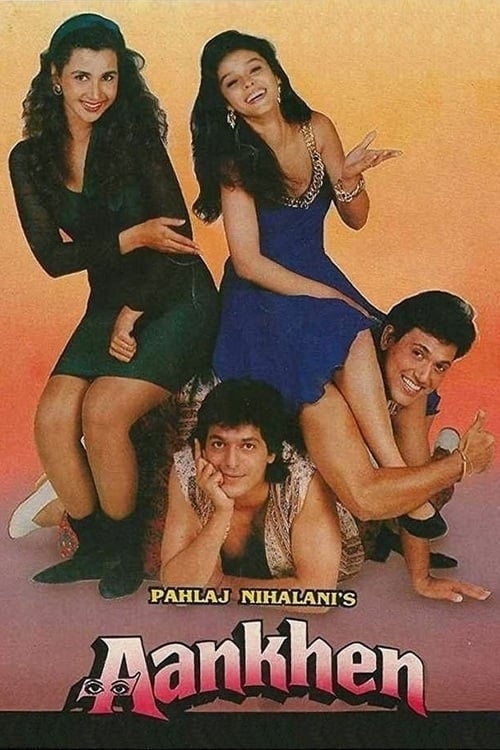
Aankhen is a product of its 1993 cinematic era, prioritizing traditional masala storytelling and established social hierarchies. The narrative focuses on individualistic heroism and conventional gender roles, offering very little engagement with diverse lived experiences. The film's structure is built around a clear moral binary, where righteousness is defined through masculine action. This approach leaves little room for the subversion of systemic power or the exploration of complex social critiques. Ultimately, the work functions as a culturally cohesive piece of domestic entertainment that reinforces, rather than challenges, the social norms of its time.
Category Breakdown
The film follows a strictly straight-centered framework, focusing solely on traditional heterosexual relationships without any representation of LGBTQ+ identities or same-sex intimacy.
Male characters dominate the narrative, while female characters primarily exist in relation to the men, failing the Bechdel test due to a lack of substantive interaction between women.
The cast is predominantly Indian, reflecting a cohesive cultural context. However, the film does not seek characters who reflect more than one aspect of diversity and operates within a homogeneous framework.
The story relies on traditional moral binaries of good versus evil, reinforcing standard social structures and heroic clichés without challenging systemic power dynamics.
There are no prominent depictions of visible or invisible disabilities. Characters with physical or neurodivergent traits do not serve as central figures or meaningful plot drivers.
Present on Screen
Limited or Absent
Official Synopsis
Two good-for-nothing brothers are embroiled in a conspiracy involving a political assassination and try their best to save the country.
2003
1999
1997

2012

1999
1992
2001
1994
No reviews yet. Be the first to share your thoughts on this movie!
Use the rating form above to leave a star rating and optional review.