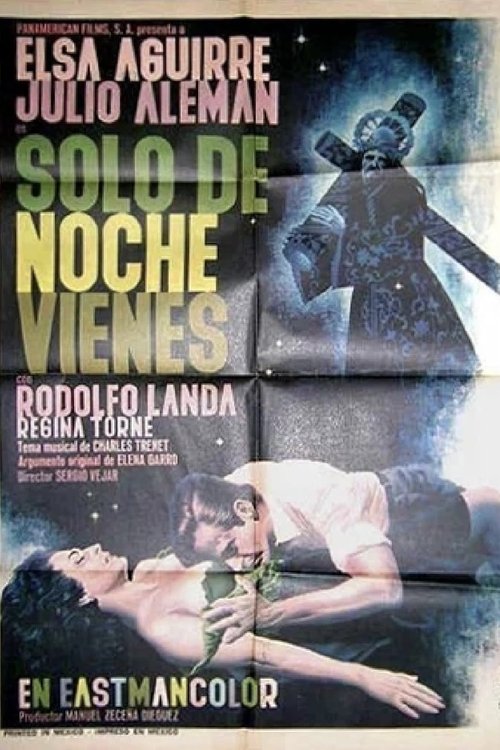
You Only Come at Night
1966
No user ratings available yet
Representation score: 3.3 out of 10
Representation Score
Fair
1998
PGDirector
Oscar Barney Finn
Runtime
100 minutes
Average Rating
No ratings yetNew Showbiz Analysis
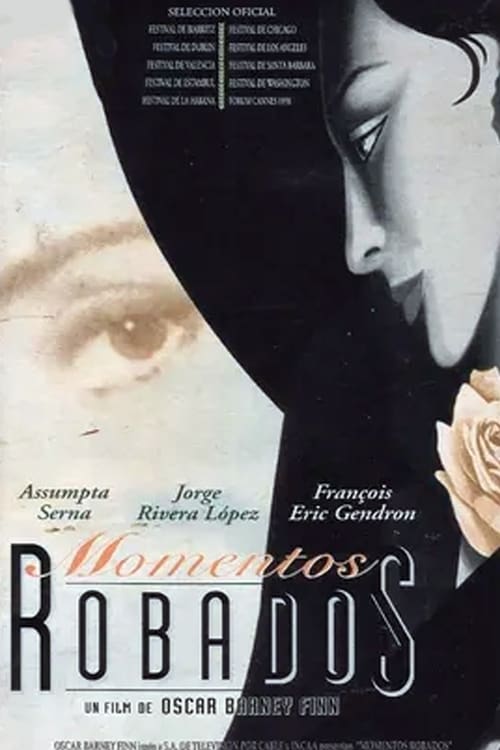
Stolen Moments is a character-driven period drama that leans heavily on established cinematic clichés. While it centers on a female protagonist, the narrative structure remains rooted in traditional romantic and social conflicts. The film's strength lies in its potential to explore female desire and the psychological weight of social isolation. However, it lacks a clear disruption of systemic social hierarchies, functioning more as a study of individual persona. Ultimately, the film explores the intersection of fantasy and reality without providing significant evidence of multi-layered or non-traditional representation.
Category Breakdown
The film focuses on a traditional romantic tension between a married woman and a mysterious foreigner. There is no explicit depiction of same-sex intimacy or non-conforming gender identities.
Letty serves as a central protagonist whose internal dreams drive the emotional stakes. She embodies the 'femme fatale' archetype, suggesting a nuanced exploration of female autonomy.
Set in 1947 Patagonia, the film uses a specific regional context. The arrival of a 'strange foreigner' introduces themes of otherness, though specific ethnic compositions remain unspecified.
The story uses a period setting to explore how cinematic fantasies shape reality. It offers a meta-commentary on social conformity through the tension between Letty and her village.
The narrative provides no evidence regarding the presence of characters with visible or invisible disabilities.
Present on Screen
Limited or Absent
Official Synopsis
1947, in Patagonia, in a little village on the seaside. An abandoned house on the beach shelters Letty's dreams, her loneliness that only Miguel, a very young pianist, may share with her. Tomas, her husband, loves Letty and eagerly defends her against all the village, while she keeps playing her part of a 'femme fatale' with a romantic past and a very adventurous file. But on a windy day, a handsome and strange foreigner appears, coming from the sea, a man just as those Bette Davis used to fall in love with. For Letty, reality begins to look like the most incredible dreams of her. But this will call the police inspector's attention. With that mysterious spy, Letty will be involved in a story that will end as those stories she was so fond of when she was going to the movie theater of her little willage.
1966
1937
1954

1983
1959
1947

1985

1972
No reviews yet. Be the first to share your thoughts on this movie!
Use the rating form above to leave a star rating and optional review.