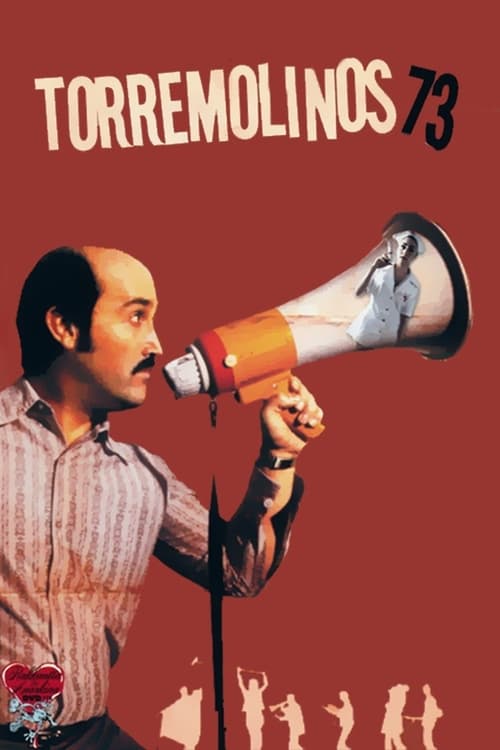
Torremolinos 73
2003
No user ratings available yet
Representation score: 5.9 out of 10

Representation Score
Fair
2007
Director
David Serrano
Runtime
96 minutes
Average Rating
No ratings yetNew Showbiz Analysis
Días de cine is a period comedy that finds its progressive strength in thematic subversion rather than diverse casting. By setting the story during the Spanish Transition, the film engages with the dismantling of authoritarianism and the critique of institutional corruption. However, the film remains demographically narrow. The cast reflects the localized, homogeneous nature of 1977 Spain, resulting in low scores for racial and LGBTQ+ representation. The narrative focuses on class and political friction rather than the overlapping aspects of identity. Ultimately, the film offers a sophisticated look at professional and social power dynamics, even if it lacks explicit representation of underrepresented groups.
Category Breakdown
The film captures the sociopolitical shifts of 1977 Spain during the Transition. While it explores social liberation, it lacks explicit depictions of LGBTQ+ identities or non-straight relationships.
The story centers on the professional friction between a male director and a female former child star. Silvia Conde’s struggle for relevance provides a nuanced look at women's ability to drive the story in a male-dominated industry.
The narrative focuses on a culturally homogeneous cast reflecting the specific historical context of 1977 Spain. It prioritizes class struggle and political ideology over ethnic or racial diversity.
The film critiques traditional institutions and authoritarianism through its anti-Francoist protagonist. It deconstructs old-world power structures by favoring socially conscious morality over traditionalist ideals.
There is no documented evidence regarding the portrayal of physical or neurodivergent disabilities in the film's narrative or character descriptions.
Present on Screen
Limited or Absent
Official Synopsis
Comedy set in 1977, in which a renowned playwright (Alberto San Juan) tries to shoot a social protest drama starring a doldrums folk, former child star (Natalie Poza) and produced by a producer and shameless liar (Miguel Rellán). Inexperience, ambition, lack of means and the love-hate relationship with the star director shooting become a craze.
2003

1973
2001
1998

2007

2012

2017

2008
No reviews yet. Be the first to share your thoughts on this movie!
Use the rating form above to leave a star rating and optional review.