Freeheld
2007
No user ratings available yet
Representation score: 8.9 out of 10
Representation Score
Good
2016
Director
Sébastien Lifshitz
Runtime
55 minutes
Average Rating
No ratings yetNew Showbiz Analysis
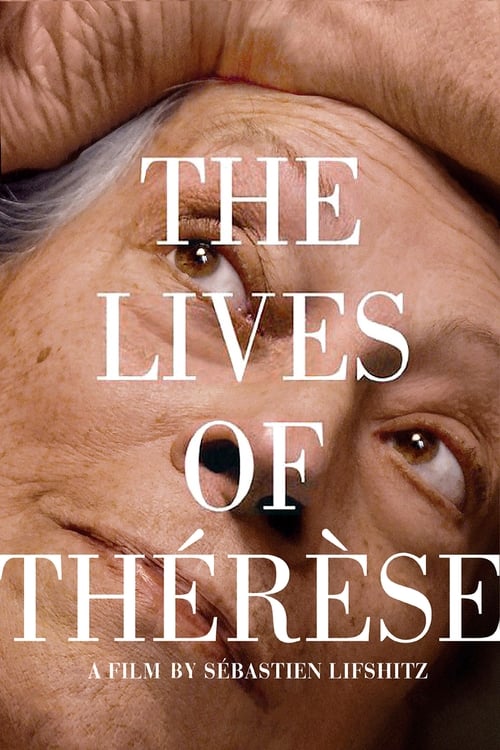
The film opens on a tight, unadorned close-up of Thérèse Clerc’s face, a mature, working-class French woman looking directly into the lens with a calm, unguarded expression. This image establishes the film’s mode: observation over narrative, presence over performance. There are no dramatic reenactments, no archival footage, and no voiceover narration explaining her significance. The faces are singular: hers. The genre is stripped of its usual explanatory apparatus, leaving only the subject. The sold meaning is that a life can be understood through the direct address of the person who lived it. Thérèse is a lesbian, a feminist, and a militant, but the film does not frame these identities as a virtue climax or a coming-out story. They are simply part of her life, the baseline for her competence and history. The camera treats her with a respectful, steady gaze, no beauty lighting or dramatic shadow play. The lighting is flat and even, treating her face as a document rather than a spectacle. She is "holy" in the sense that she is the sole object of attention, but not in a religious or mythic way. The film’s argument is that a life, fully lived and witnessed, is its own justification. Thérèse does not pay a price for her past. The film does not frame her life as a tragedy to be atoned for or a success to be celebrated. She is not billed for harm; she is billed for existence. The repeated framing of her face is deliberate, emphasizing the interiority of the subject. The lack of B-roll or context is also deliberate, forcing the viewer to engage with her words and presence rather than visual distractions. The last image mirrors the opening: Thérèse’s face, still, silent, and present. The ending does not resolve a conflict or offer a moral verdict; it rewards the viewer with the continuity of her being. The moral arithmetic is that a life, fully lived and witnessed, is its own justification. The film does not argue for or against any political or social position. It simply presents a life.
Category Breakdown
Thérèse Clerc, a lesbian, anchors the frame. Her same-sex relationships are treated as baseline facts, not deviations. The perspective remains strictly singular.
A woman holds the entire frame, speaking with authority. She is the competence center, unburdened by male rescue or romantic validation. No male characters appear for contrast.
Thérèse is a white French woman. Her working-class background is mentioned but not visually centered. The film is entirely monoracial and monocultural.
The film centers a secular, working-class French woman. Her life is defined by political struggle rather than traditional family or religious duty. Her militant past is her dignity.
Thérèse’s terminal illness provides the context. Her body is shown without pity or medicalization. The illness is a backdrop, not a subject of analysis.
Present on Screen
Limited or Absent
Official Synopsis
Thérèse Clerc is one of the great figures of militantism. From the struggle to legalize abortion to the fight for equal rights of men and women and the battle for gay rights, she’s been on the front lines of all of them. She has just learned that she has an incurable disease and has decided to take a last look back over her life, a tender and lucid look at the battles and the love that went with them.
2007

2017
2014
1984

2016

2018
2017
2016
No reviews yet. Be the first to share your thoughts on this movie!
Use the rating form above to leave a star rating and optional review.