
Freeze Me
2000
No user ratings available yet
Representation score: 7.8 out of 10

Representation Score
Fair
1988
Director
Takashi Ishii
Runtime
74 minutes
Average Rating
No ratings yetNew Showbiz Analysis
Takashi Ishii’s film is a stylized neo-noir that prioritizes atmosphere and fatalism over social inclusivity. It functions as a dark character study of urban alienation rather than a vehicle for progressive representation. The film relies heavily on established genre clichés, particularly regarding gendered power imbalances and victimization. While it effectively deconstructs conventional moral certainties, it does so through a lens of nihilism rather than addressing multiple aspects of identity. Ultimately, the film remains tied to traditional hierarchies. It captures a specific cultural moment of Japanese cult cinema but lacks the breadth to address diverse identities or broader social frameworks.
Category Breakdown
The film does not include any queer narratives or non-cisgender identities. It focuses on heterosexual power dynamics and predatory behavior.
The film portrays Nami as a femme fatale and a victim. It emphasizes traditional gender roles and the objectification of women.
The cast is mainly Japanese, reflecting the cultural context. While it avoids whitewashing, the representation remains culturally uniform to fit the Japanese noir style.
The film examines moral relativism and situational ethics in a decaying city. It presents a world where social institutions are ineffective and traditional morality is absent.
Physical trauma is used as a plot device to advance the protagonist's storyline. There is no meaningful portrayal of characters with disabilities or neurodivergence.
Present on Screen
Limited or Absent
Official Synopsis
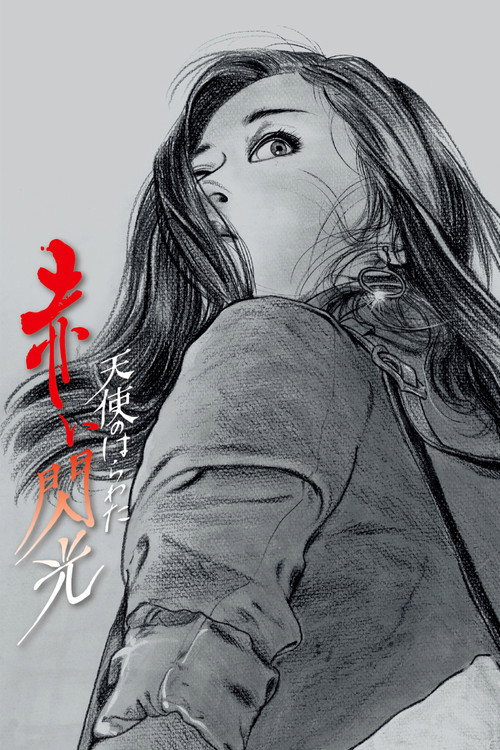
Nami is a nurse and the unwilling object of her patients' lust. When she is hit by a car whilst fleeing from the home of her unfaithful boyfriend, the driver of the car takes her as a sexual prisoner.
2000
1986

1976

1969

1975
1994

2013
1988
No reviews yet. Be the first to share your thoughts on this movie!
Use the rating form above to leave a star rating and optional review.