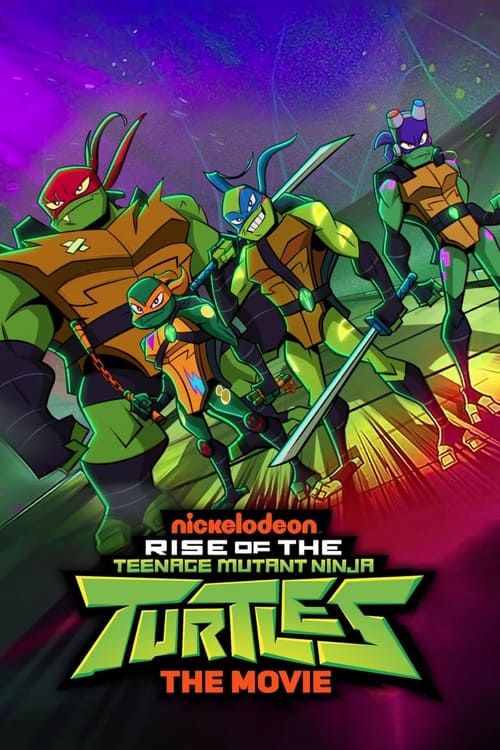
Rise of the Teenage Mutant Ninja Turtles: The Movie
2022
No user ratings available yet
Representation score: 1.8 out of 10
Representation Score
Excellent
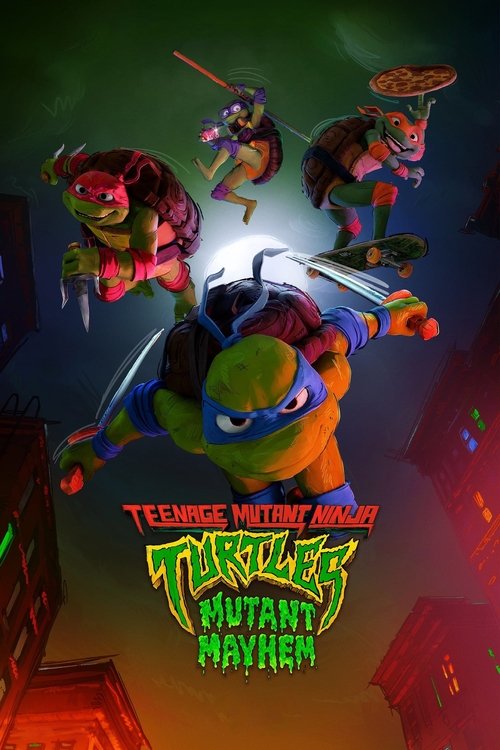
2023
PGDirector
Jeff Rowe
Runtime
100 minutes
Average Rating
No ratings yetNew Showbiz Analysis
Mutant Mayhem uses the science-fiction genre to critique systemic exclusion and the experience of being an outsider. It succeeds by framing social non-conformity as a source of empowerment rather than a deficit. The film's strength lies in its metaphorical depth, using the turtles' status as biological anomalies to mirror real-world struggles with racial and ethnic exclusion. It moves beyond simple action to explore identity politics. However, the film remains limited by a lack of explicit LGBTQ+ characterization. While the subtext of belonging is strong, the absence of overt non-assuming gender matches what was assigned at birth identities prevents a higher score in that category.
Category Breakdown
The film does not explicitly depict LGBTQ+ identities or relationships. However, themes of 'otherness' and belonging resonate with queer experiences, relying on subtext rather than overt representation.
April O'Neil serves as a actively leading protagonist and social navigator. The male turtles challenge traditional masculine archetypes by emphasizing vulnerability and emotional intelligence over stoic warrior roles.
The mutant protagonists serve as a powerful allegory for racial and ethnic 'othering.' The story explores the tension between a desire for integration and systemic social rejection.
The narrative critiques established social institutions and prioritizes a 'found family' over traditional structures. It frames the protagonists' struggle as a rebellion against a society that refuses their humanity.
Mutant physiology is treated as a form of visible physical difference and neurodivergence. The characters navigate a world not built for their specific biological needs.
Present on Screen
Limited or Absent
Official Synopsis
After years of being sheltered from the human world, the Turtle brothers set out to win the hearts of New Yorkers and be accepted as normal teenagers through heroic acts. Their new friend April O'Neil helps them take on a mysterious crime syndicate, but they soon get in over their heads when an army of mutants is unleashed upon them.
2022
2018
2014
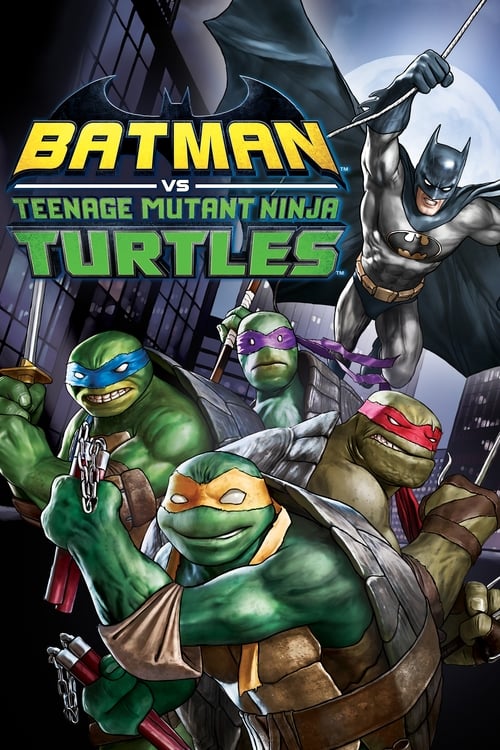
2019
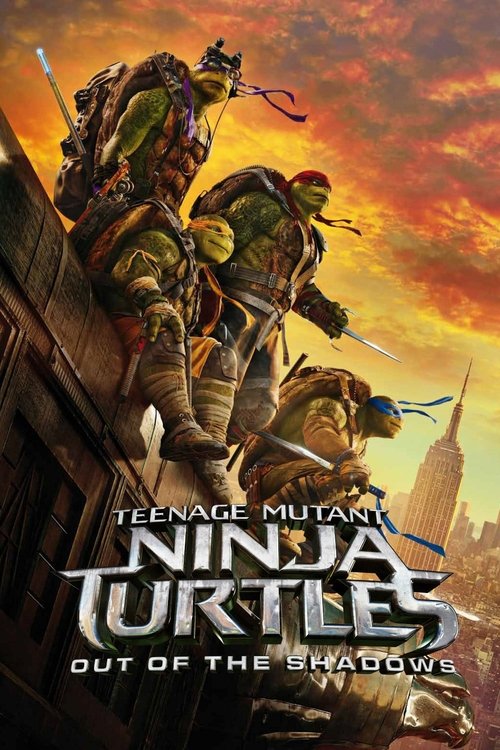
2016
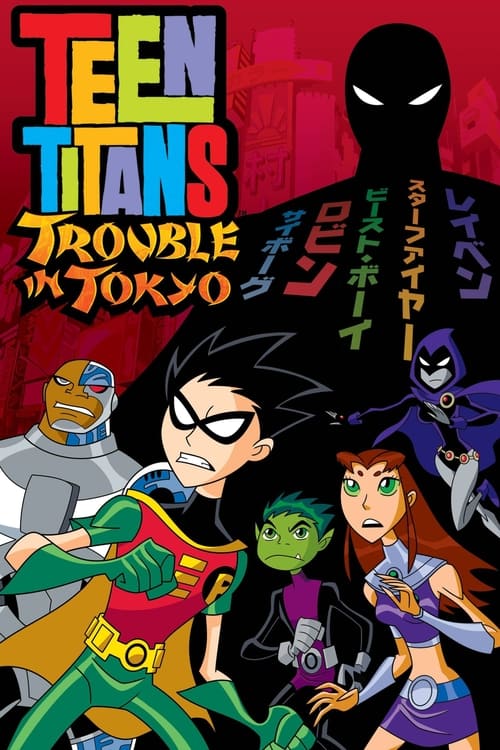
2006
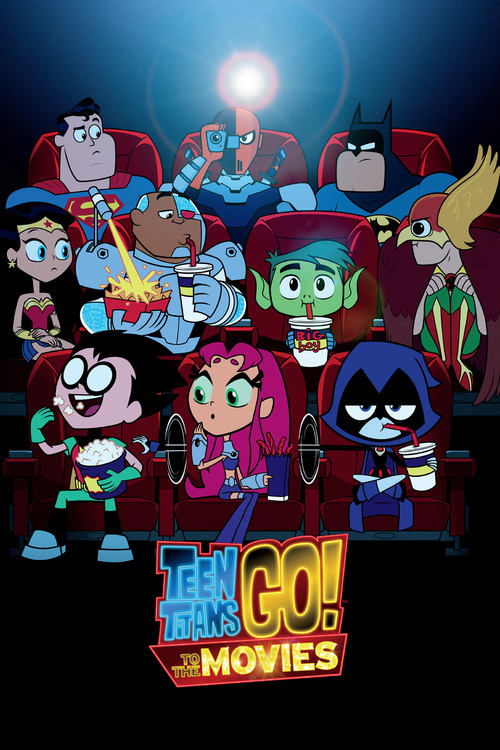
2018
2019
No reviews yet. Be the first to share your thoughts on this movie!
Use the rating form above to leave a star rating and optional review.