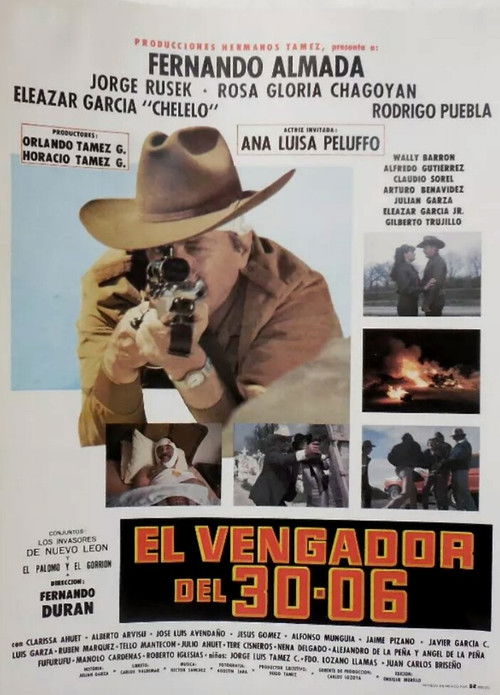
El vengador del 30-06
1983
No user ratings available yet
Representation score: 2.2 out of 10
Representation Score
Limited
1980
Director
Tito Davison
Average Rating
No ratings yetNew Showbiz Analysis
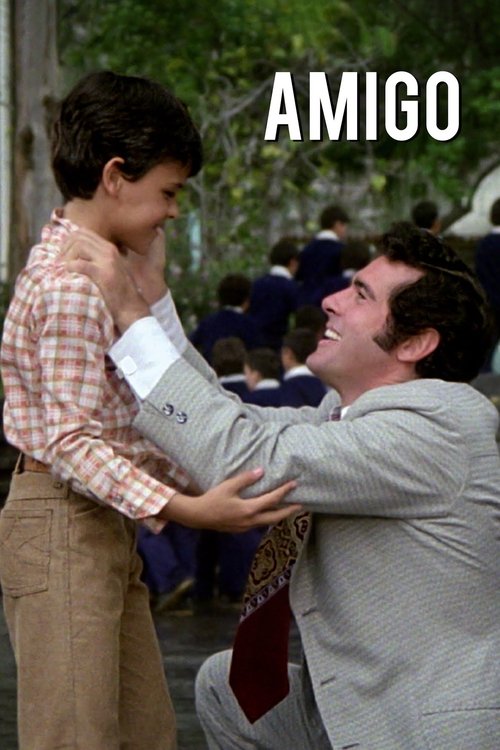
Amigo is a conventional 1980s action-drama that relies heavily on the genre clichés of its era. While the film benefits from a non-Anglo-Saxon cast, it lacks intentionality regarding inclusive representation. The narrative structure appears to reinforce traditional social hierarchies and masculine archetypes. It functions as a standard genre piece rather than a work that challenges systemic dynamics or explores the way different parts of someone's identity overlap. Ultimately, the film reflects the standard moral frameworks and gender roles prevalent in early 1980s cinema, offering little in the way of social or cultural subversion.
Category Breakdown
The film does not include characters with diverse gender identities or narratives that question the assumption that everyone is straight or cisgender. It follows the conventional social structures typical of 1980s action-dramas.
The cast includes prominent female performers like Verónica Miriel. However, female characters may be limited to roles defined by their relationships to male protagonists. The film adheres to traditional gender hierarchies.
The production features notable Latin American actors such as Alfredo Landa and Andrés García. Nevertheless, the narrative likely emphasizes traditional masculine archetypes common to the era's genre.
As an action-drama, the film likely focuses on individual heroism and clear moral binaries. There is no indication of systemic critique or secular themes within the narrative.
There is no documented evidence regarding the inclusion of characters with visible or invisible disabilities in this production.
Present on Screen
Limited or Absent
1983
1986
1980
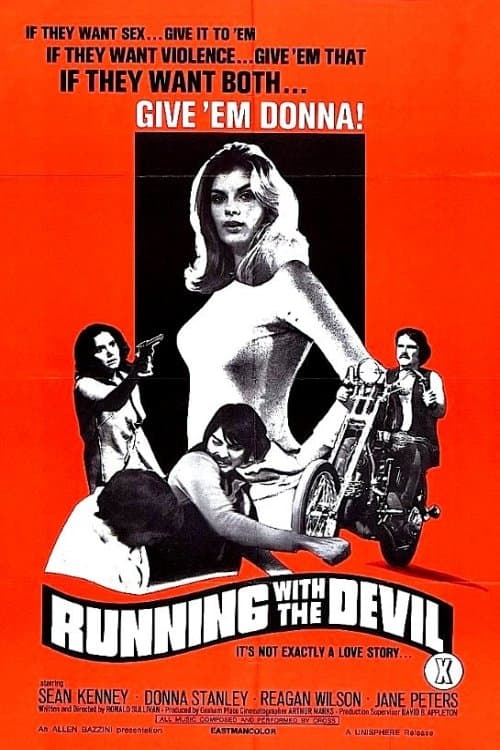
1973
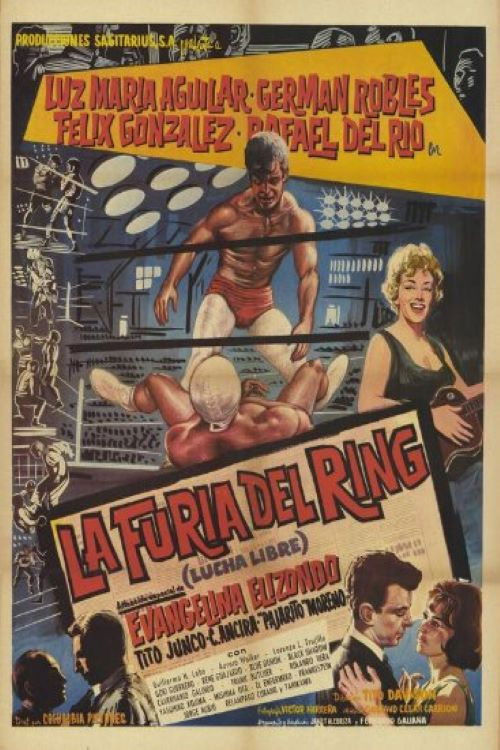
1961
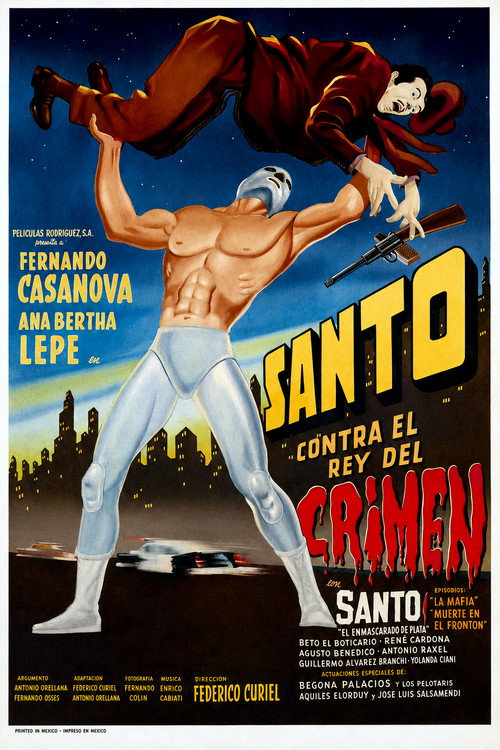
1962
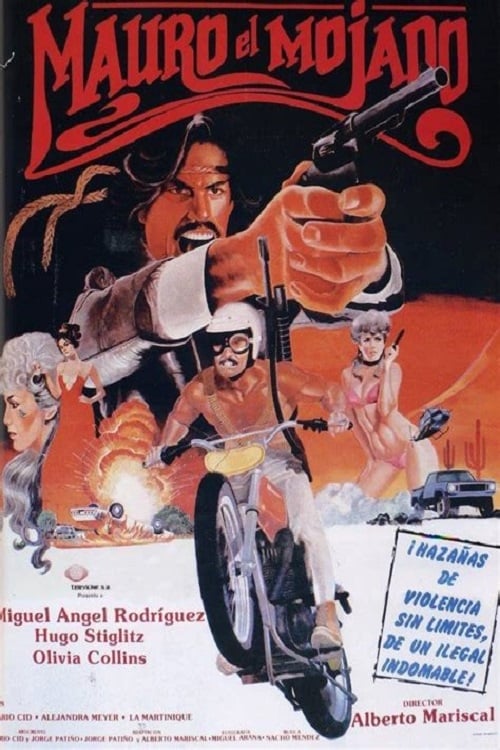
1986
1989
No reviews yet. Be the first to share your thoughts on this movie!
Use the rating form above to leave a star rating and optional review.