Pilgrimage
2001
No user ratings available yet
Diversity score: 3.8 out of 10
2007
Director
Pernille Rose Grønkjær
Runtime
84 minutes
Average Rating
No ratings yetSynopsis
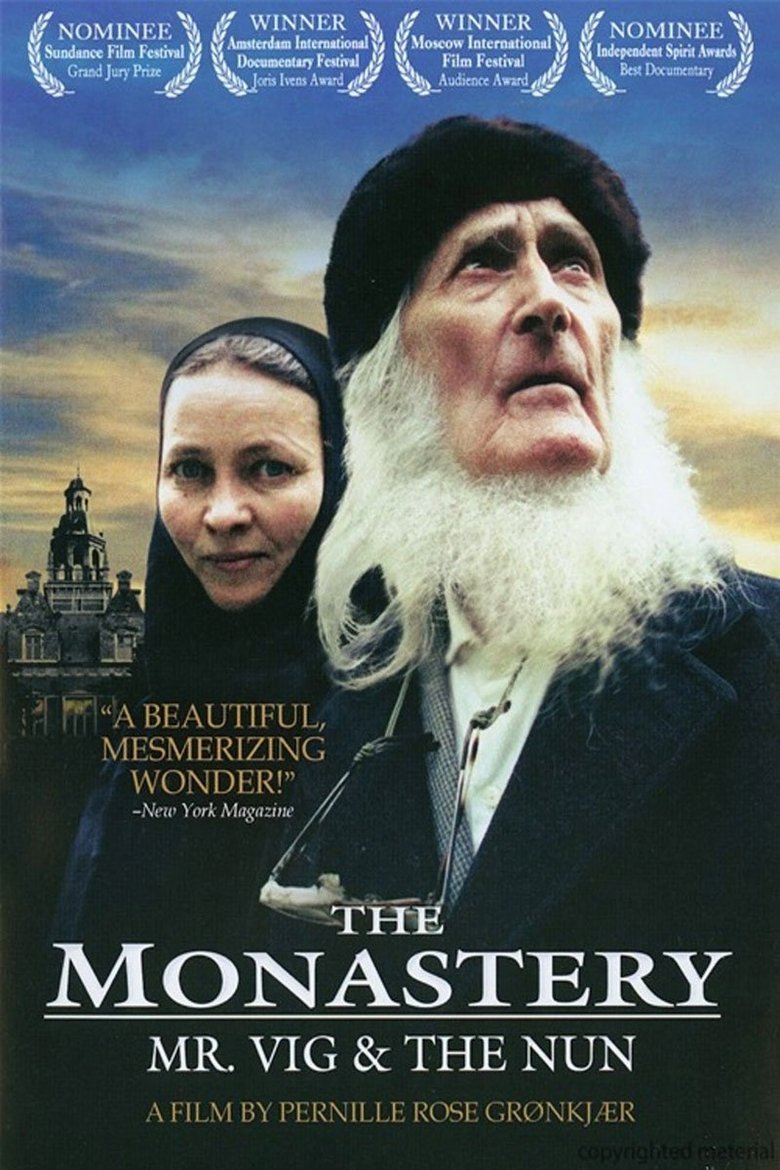
50 years ago Jørgen Lauersen Vig bought Hesbjerg Castle, situated in the Danish country side, with the purpose of turning it into a monastery. Now, many years later, he is about to realize his old dream. A group of Russian Orthodox nuns are on their way, and thus Mr. Vigs life-long dream is about to come true. But, nuns have plans and wills of their own, and Mr. Vig must realize that the road to fulfilling his dream is very different than what he imagined.
Overall Score
Fair
Category Breakdown
LGBTQ+ Representation
The film lacks any evidence of LGBTQ+ characters or narratives. The focus remains strictly on the interaction between a male protagonist and a religious female collective.
Gender Representation
The documentary subverts traditional patriarchal roles. While Mr. Vig acts as the founder, the nuns assert their own agency and wills, disrupting his unilateral control over the space.
Racial & Ethnic Diversity
The narrative features a cross-cultural encounter by bringing Russian Orthodox nuns into the Danish countryside. This introduces ethnic diversity and the blending of different cultural traditions.
Religious & Cultural Diversity
The film explores the friction between personal secular dreams and established religious structures. It depicts the complexities of a religious order arriving in a new cultural setting.
Disability Representation
There is no documented evidence regarding the portrayal of physical disabilities, neurodivergence, or mental health conditions within this work.
Strengths
Areas for Improvement
AI Analysis
The documentary centers on the collision of individual idealism and institutional reality. It finds its strength in the subversion of gendered power dynamics, as the female collective asserts autonomy against a male benefactor's vision. This provides a nuanced look at agency. However, the film lacks broad intersectional complexity. It does not engage with LGBTQ+ identities or disability representation, which limits its scope of social exploration. Ultimately, the work succeeds as a character study of cultural and religious friction rather than a systemic critique of social hierarchies.
2001
2016
2010
2009

2022

2009
2015
1965

2015

2015
2015
2004
No reviews yet. Be the first to share your thoughts on this movie!
Use the rating form above to leave a star rating and optional review.