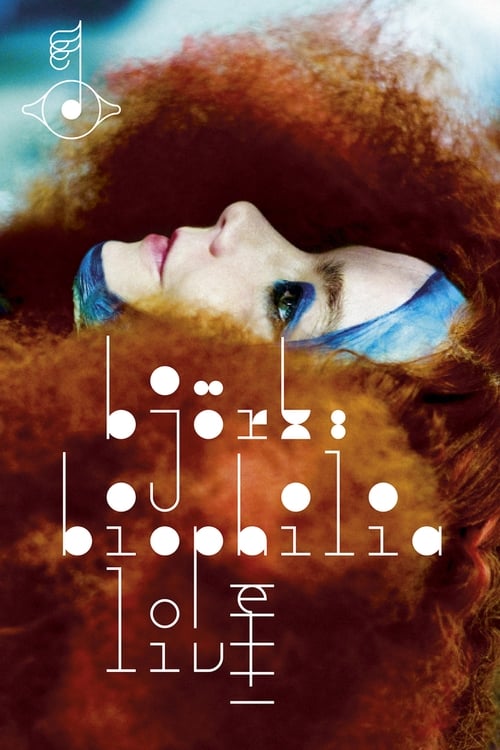
Björk: Biophilia Live
2014
No user ratings available yet
Representation score: 5.8 out of 10
Representation Score
Fair
2011
Not RatedDirector
Hillman Curtis
Runtime
87 minutes
Average Rating
No ratings yetNew Showbiz Analysis
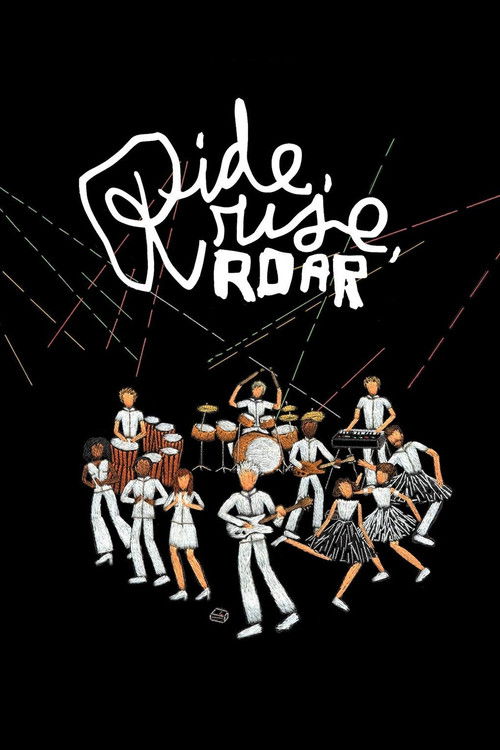
Ride, Rise, Roar is a sophisticated exploration of visual and auditory synergy. It disrupts the rigid hierarchies of the concert genre by focusing on a fluid, ensemble-based approach. The film celebrates multicultural collaboration and non-traditional aesthetic expression. While it does not center on explicit identity-based narratives, it creates an inclusive space through its experimental performance art. Ultimately, the documentary serves as a high-concept celebration of creative collaboration rather than a vehicle for social commentary.
Category Breakdown
The film highlights visual choreography and costume design that challenge traditional gender norms. However, it does not have a specific storyline or characters focused on LGBTQ+ identities.
The production challenges conventional gender stereotypes through innovative costumes and movement. However, it lacks strong character development that would help move beyond typical gender roles.
Featuring a diverse cast from various ethnic backgrounds, the film promotes a blended, multicultural stage presence through collective synergy.
The work embraces a secular, art-focused perspective, avoiding traditional Western cultural norms. It instead emphasizes a fluid, experimental cultural space.
The film does not prominently depict visible or invisible disabilities. Its focus is on high-energy choreography without addressing disability representation.
Present on Screen
Limited or Absent
Official Synopsis
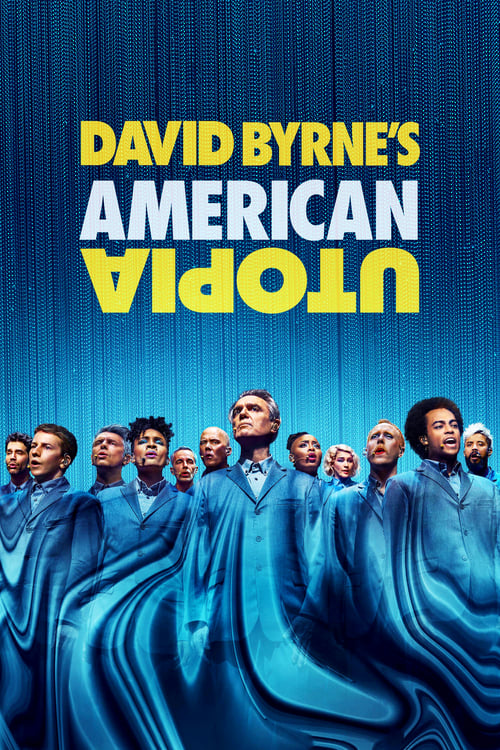
David Byrne is a visual artist as well as a musician, and ever since his early days as a member of Talking Heads, he's wanted his concerts to be more than just a static performance. In 1984, Byrne and filmmaker Jonathan Demme redefined the boundaries of the concert film with the Talking Heads documentary STOP MAKING SENSE, and more than 25 years later Byrne has teamed up with David Hillman to create RIDE, RISE, ROAR, which documents Byrne's 2008-2009 concert tour, in which he performs new material written in collaboration with Brian Eno as well as favorites from his solo career as well as his tenure in Talking Heads. Using costumes and inventive choreography, Byrne and his musicians and dancers give his music a stage presentation as exciting as the music.
2014
2019
1986
2005
2014
2017
2020
2014
No reviews yet. Be the first to share your thoughts on this movie!
Use the rating form above to leave a star rating and optional review.