Welcome to the Rileys
2010
No user ratings available yet
Representation score: 6.9 out of 10
Representation Score
Good
2011
PG-13Director
Stephen Daldry
Runtime
129 minutes
Average Rating
No ratings yetNew Showbiz Analysis
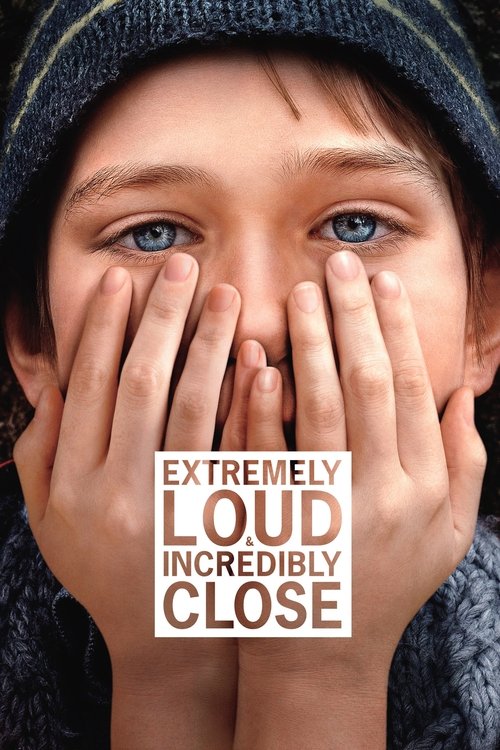
Stephen Daldry’s drama succeeds as a character study by centering the internal, non-linear logic of a neurodivergent-coded child. The film avoids typical heroic clichés, opting for emotional authenticity and a nuanced look at psychological fragmentation. While the film lacks explicit focus on identity politics or overt systemic critique, it provides a pluralistic view of human connection. The urban setting offers a diverse backdrop that reflects a multicultural society without making these identities the central drivers of the plot. The strength of the film lies in its portrayal of maternal resilience and the dignified depiction of a protagonist navigating the world through a unique cognitive lens. However, the absence of queer identities and a lack of deep systemic exploration limit its broader representation.
Category Breakdown
The film doesn't feature prominent LGBTQ+ characters or non-cisgender identities. It focuses on grief and family relationships.
The story centers on a strong matriarch who faces the challenges of solo parenting. It avoids traditional patriarchal roles by emphasizing maternal resilience.
Set in New York City, the film showcases a variety of characters from different backgrounds. These diverse figures add richness to the protagonist's journey through a multicultural environment.
The narrative emphasizes personal meaning-making over religious doctrine. It explores how individuals cope with trauma through fragmented, non-linear perspectives rather than a single moral framework.
The film portrays Oskar with a unique cognitive structure that suggests neurodivergent traits. His specific sensory and emotional processing is shown with dignity, focusing on his internal experience.
Present on Screen
Limited or Absent
Official Synopsis
A year after his father's death, Oskar, a troubled young boy, discovers a mysterious key he believes was left for him by his father and embarks on a scavenger hunt to find the matching lock.
2010
2007
2010

2002
2007
2011
2010
2014
No reviews yet. Be the first to share your thoughts on this movie!
Use the rating form above to leave a star rating and optional review.