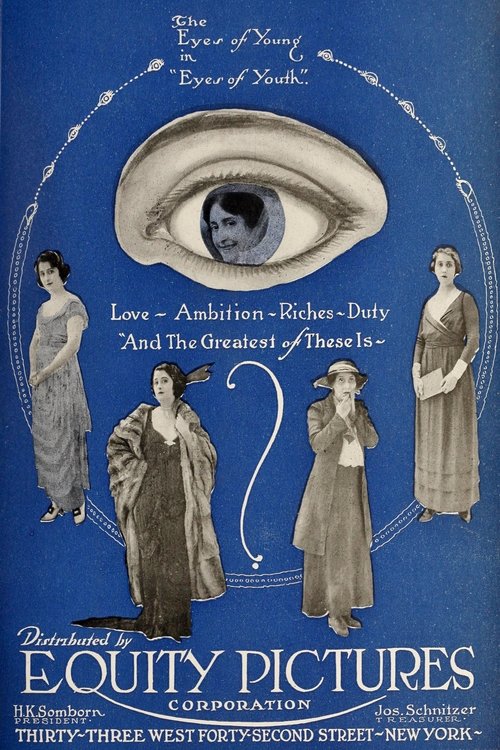
Eyes of Youth
1919
No user ratings available yet
Representation score: 1.1 out of 10
Representation Score
Limited
1927
PassedDirector
Albert Parker
Runtime
78 minutes
Average Rating
No ratings yetNew Showbiz Analysis
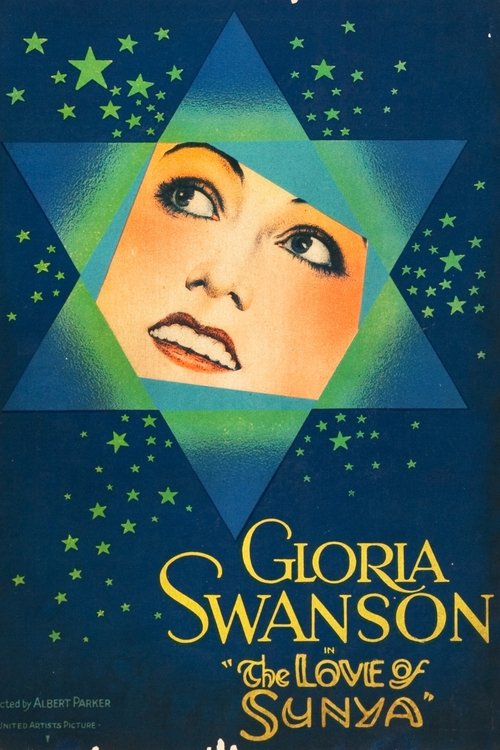
The film functions as a transitional work that balances period-specific constraints with thematic subversion. Despite failing to offer authentic racial representation, it successfully challenges the social hierarchies of its time. The narrative's strength lies in its focus on individual autonomy. By centering the story on a woman's resistance to systemic religious and social structures, the film disrupts conventional moral storytelling. However, the production remains tied to the era's Western-centric views. Using an outsider to portray an Indian protagonist limits the film's ability to achieve true cultural depth.
Category Breakdown
The film does not depict any non-straight relationships or identities. The main conflict revolves around a romantic tension between a high-caste woman and a lower-caste man.
Sunya is the main driver of the plot, making her own choices and decisions that shape the narrative tension.
The film uses an Orientalist perspective typical of the 1920s. Casting a Russian-born actress in a central Indian role emphasizes exotic storytelling over authentic ethnic representation.
The story criticizes the strict caste system. It portrays religious and social institutions as barriers to personal freedom rather than supportive forces.
There is no portrayal of physical or neurodivergent disabilities in the film.
Present on Screen
Limited or Absent
Official Synopsis
A young woman at life's crossroads is granted mystic visions of how her decisions will affect her future life.
1919
1927
1933

1951
1924
1928
1929
1932
No reviews yet. Be the first to share your thoughts on this movie!
Use the rating form above to leave a star rating and optional review.