The Raging Moon
1971
No user ratings available yet
Representation score: 3.6 out of 10
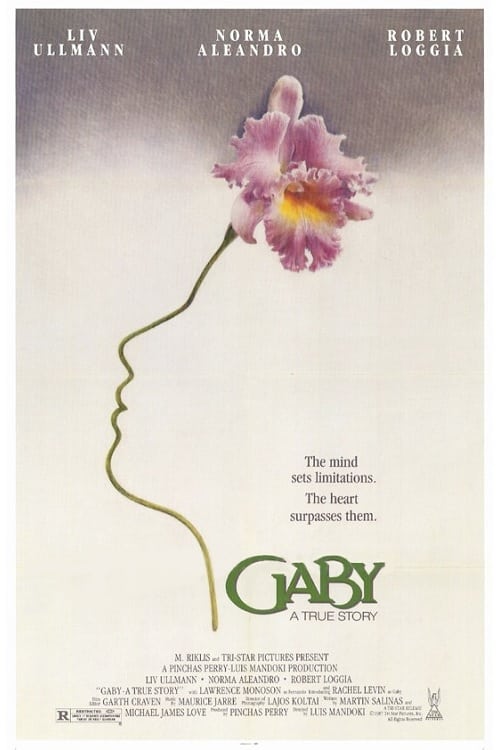
Representation Score
Excellent
1987
RDirector
Luis Mandoki
Runtime
110 minutes
Average Rating
No ratings yetNew Showbiz Analysis
Luis Mandoki’s biographical drama succeeds by centering the intellectual and personal ability to act of a woman with physical disabilities. The film avoids common pitfalls by treating the protagonist's disability as a complex part of her identity rather than a tool for pity. The production is culturally grounded, utilizing a Mexican cast and setting to provide an authentic perspective that departs from Anglo-centric biographical clichés. This provides a meaningful exploration of identity within a specific social context. However, the film adheres to traditional romantic structures and lacks a broader critique of systemic institutions. While it excels in disability and ethnic representation, it remains limited in its exploration of LGBTQ+ identities and systemic social structures.
Category Breakdown
The film focuses on heterosexual relationships and does not include explicit representations of non-straight identities or critiques of the assumption that everyone is straight or cisgender.
The narrative challenges traditional gender roles by centering on Gaby’s intellectual autonomy and professional success. Gaby’s active role in her life contrasts with the typical passive female lead.
The film achieves high ethnic authenticity by featuring a predominantly Mexican cast and setting the story in Mexico City, avoiding Western-centric perspectives.
The film focuses on personal struggles and emotional realism rather than critiquing religious or state institutions. It emphasizes individual triumph over systemic critique.
The film grants high ability to act to Gaby Brimmer, avoiding 'inspiration porn' by focusing on her intellectual pursuits. Her disability is a central part of her identity, not just a plot device.
Present on Screen
Limited or Absent
Official Synopsis
The life of Gaby Brimmer, a girl physically handicapped, who finally gets her goals of study and triumph.
1971

2013
1998
2005
1980

2019
1978
2014
No reviews yet. Be the first to share your thoughts on this movie!
Use the rating form above to leave a star rating and optional review.