Beyond My Grandfather Allende
2015
No user ratings available yet
Representation score: 4.6 out of 10
Representation Score
Limited
2011
Director
José Ramón Mikelajáuregui
Runtime
78 minutes
Average Rating
No ratings yetNew Showbiz Analysis
The film succeeds as a reconstructive documentary that disrupts sanitized, top-down historical narratives. By utilizing archival footage from the Alva brothers, it shifts the focus from institutional stability to the friction of grassroots movements. Its strength lies in its class-conscious perspective, which elevates the ability to act of the Mexican working class. This approach challenges traditional hierarchies and provides a more authentic view of the revolution, though it remains male-dominated. However, the documentary's scope is strictly socio-political and historical. This narrow focus results in a lack of representation for LGBTQ+ identities and disability, which are not addressed within the archival material.
Category Breakdown
The film focuses on the macro-political movements of the Mexican Revolution. It does not include specific LGBTQ+ character arcs or narratives that code queerness.
The narrative is dominated by male historical figures such as Villa and Zapata. While it emphasizes the working class, it lacks specific evidence showing women taking a leading role in the story.
The film elevates the ability to act of the Mexican working class by centering their experiences. It portrays revolutionary figures of color as the primary drivers of historical change.
The documentary engages deeply with anti-establishment themes and social volatility. It prioritizes a subjective, non-Westernized historical truth through the eyes of the people.
There is no documented evidence regarding the portrayal of disability within this archival documentary context.
Present on Screen
Limited or Absent
Official Synopsis
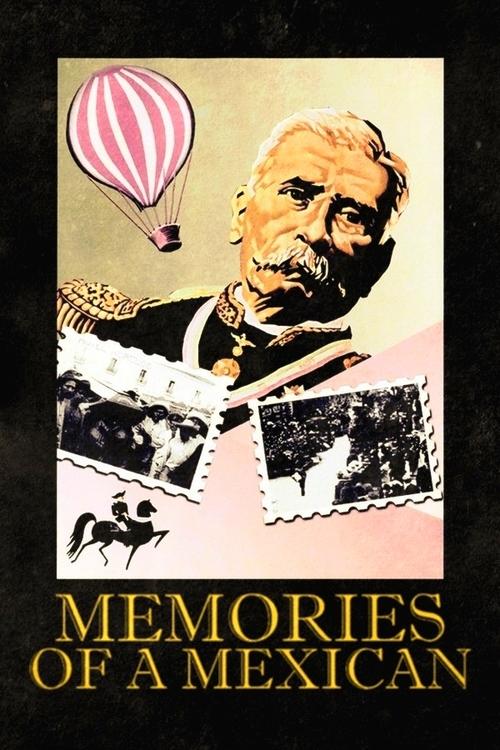
The film portraits the stage previous to the outbreak of the Mexican Revolution, from the end of Porfirio Díaz´ government, the social volatility, the ephemeral government of Madero and the presence of the working class in the figures of Villa and Zapata, until the signing if the Constitution of 1917. All of this through moving images, filmed during those events mainly by the Alva brothers, filmmakers of that time. Those images let us perceive the contradictory and shuddered glance of the people of that period.
2015
1950

2018
1983
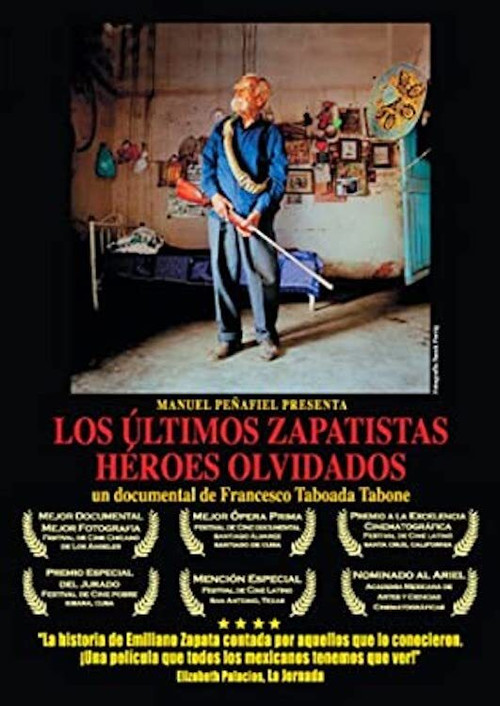
2002
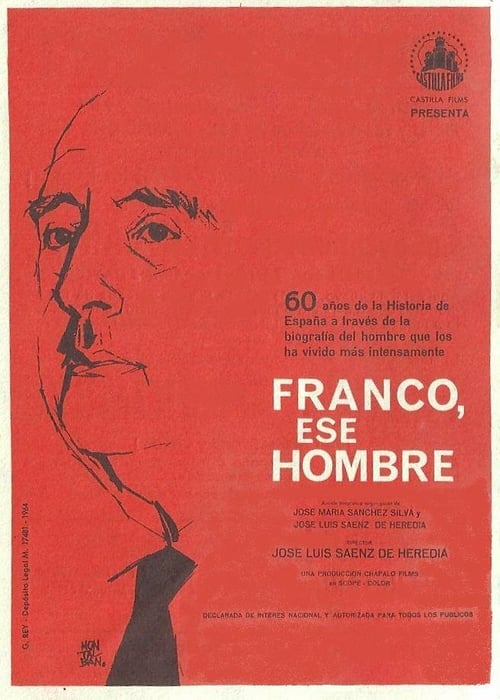
1964
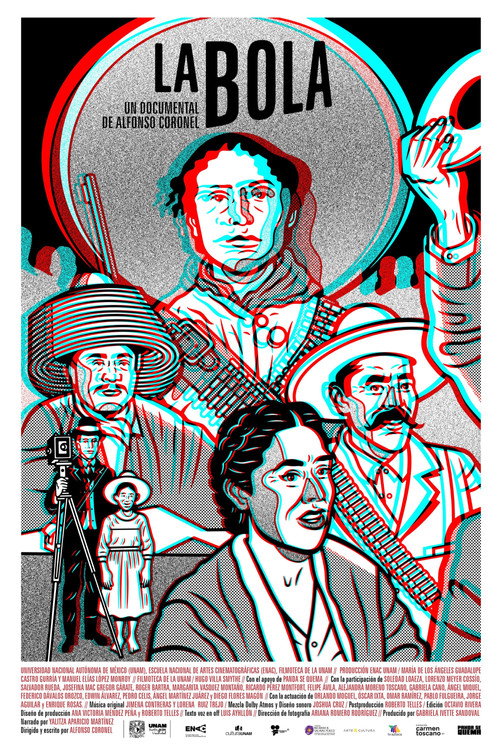
2026
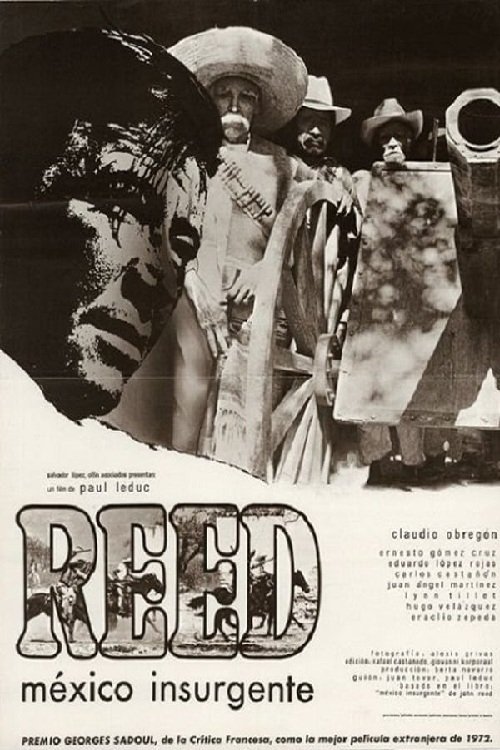
1972
No reviews yet. Be the first to share your thoughts on this movie!
Use the rating form above to leave a star rating and optional review.