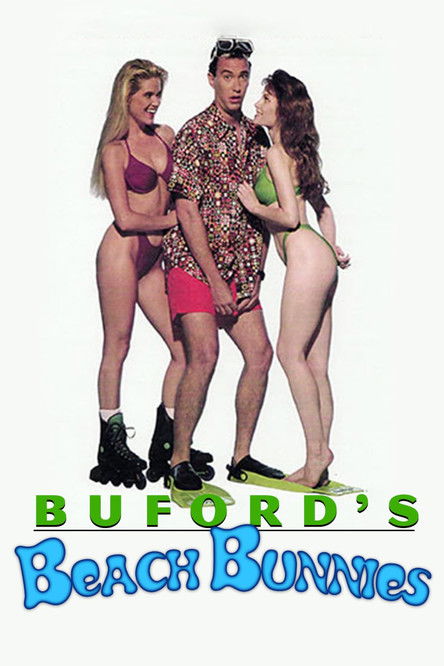
Buford's Beach Bunnies
1993
No user ratings available yet
Representation score: 0.9 out of 10
Representation Score
Limited
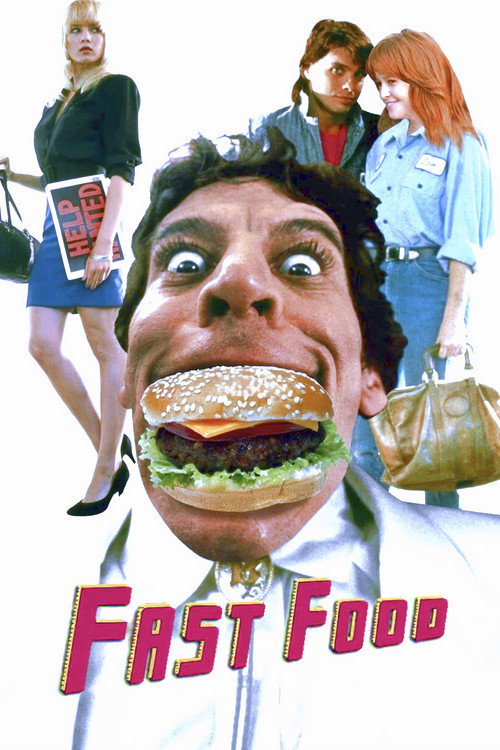
1989
PG-13Director
Michael A. Simpson
Runtime
88 minutes
Average Rating
No ratings yetNew Showbiz Analysis
Fast Food operates as a conventional late-80s comedy, focusing on individualist schemes and entrepreneurial antics. It does not delve into nuanced or multi-layered storytelling. The narrative structure relies heavily on established comedic archetypes that do not challenge social norms. The film emphasizes heterosexual relationships and traditional Western comedic frameworks. It lacks the intentionality needed to provide diverse perspectives or disrupt systemic norms. Ultimately, the work serves as a standard genre piece reflecting the limited demographic scope of mainstream comedies from 1989.
Category Breakdown
The film does not include explicit LGBTQ narratives or non-binary identities. It focuses on heterosexual relationships through the use of an aphrodisiac sauce.
Women such as Samantha and Dixie Love play active roles, but the story centers on male protagonists. Traditional gender roles are maintained within a comedic context.
The setting and characters suggest a predominantly white, Anglo-Saxon cast. There is no indication of racial diversity or non-white representation.
The film examines capitalism through small business competition. However, it uses typical comedic clichés without providing a deeper cultural or systemic critique of Western institutions.
There is no mention of characters with visible or invisible disabilities. The narrative does not address disability representation.
Present on Screen
Limited or Absent
Official Synopsis
Auggie and his pals are living it up as perpetual college students. When the dean decides teh only way to stop their schemes and antics is to graduate them, they have to go out and find real work. Auggie hears that Samantha is planning on selling her father's garage to fast food king Wrangler Bob, and comes up with one final scheme; a risky bank loan to turn the garage into stiff competition for Bob. When it looks like Bob will win after all, they develop a very special sauce that keeps the crowds coming because it has the effect of being an aphrodisiac. Bob doesn't like to lose, so he sends his "spy" Dixie Love to infiltrate the restaurant and find out their secret. The ensuing FDA investigation culminates into a hilarious case of disorder in the court!
1993
1997

1978

2009

2018

1982
1986
1980
No reviews yet. Be the first to share your thoughts on this movie!
Use the rating form above to leave a star rating and optional review.