
Divorce French Style
2014
No user ratings available yet
Representation score: 5.2 out of 10
Representation Score
Fair
1996
RDirector
Dana Lustig
Runtime
102 minutes
Average Rating
No ratings yetNew Showbiz Analysis
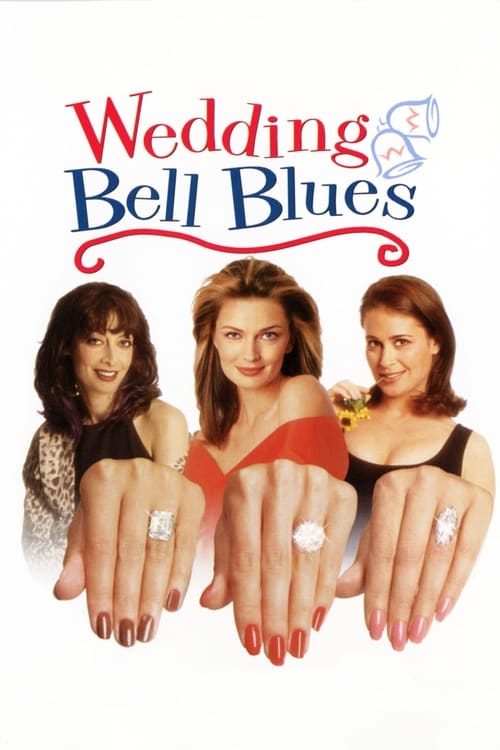
Wedding Bell Blues stands out for its strong focus on women's ability to drive the story and decision-making, subverting the typical romantic comedy clichés of the mid-90s. The film prioritizes individual autonomy over traditional domestic stability. However, the film lacks depth in other areas of representation. There is no visible LGBTQ+ representation or clear details about racial and ethnic diversity. Additionally, there is no evidence of characters with disabilities.
Category Breakdown
The film does not include visible LGBTQ+ identities or character arcs focused on queer experiences. The search for exes suggests a focus on traditional romantic relationships.
Female characters drive the plot through their own decision-making and active roles. The story challenges typical gender clichés by emphasizing the desire to be divorced rather than unmarried.
The racial backgrounds of the three main characters are not specified. While the names hint at potential diverse casting, there is no explicit confirmation of non-white actors.
The narrative questions the sanctity of marriage and the societal pressure to maintain a nuclear family. It emphasizes individualistic pleasure and personal freedom over traditional Western family structures.
There is no indication of characters with visible or invisible disabilities in the film.
Present on Screen
Limited or Absent
Official Synopsis
Micki, Tanya and Jasmine have 24 hours to get divorced. There's just one problem...They're still single. When Jasmine, Tanya and Micki decide they'd rather be divorced than unmarried, they take off to Las Vegas in search of the perfect ex.
2014
2006
2020
2012
2009
1972
2001
2025
No reviews yet. Be the first to share your thoughts on this movie!
Use the rating form above to leave a star rating and optional review.