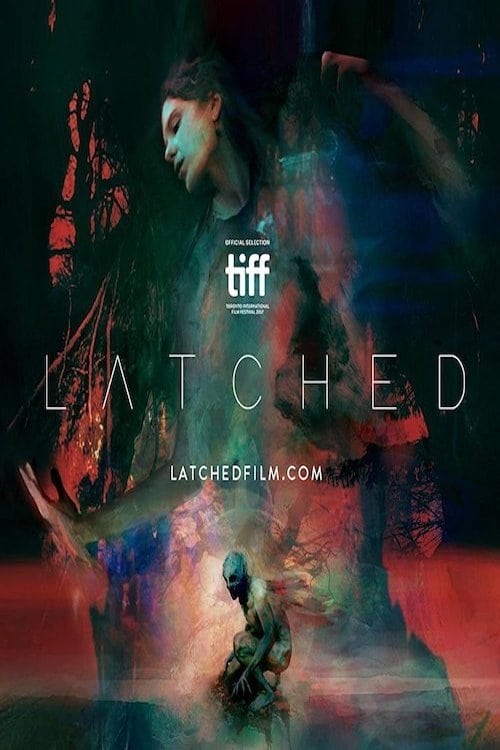
Latched
2017
No user ratings available yet
Representation score: 1.6 out of 10

Representation Score
Excellent
2017
TV-14Director
Simon Lavoie
Runtime
111 minutes
Average Rating
No ratings yetNew Showbiz Analysis
The film excels in its aggressive subversion of gender norms and its unflinching critique of domestic power structures. By focusing on the forced suppression of Alice's identity, it moves beyond simple historical drama into a rigorous examination of systemic erasure. While the film is highly effective in its interrogation of gender and patriarchal control, it remains limited by its historical setting. The lack of racial and ethnic diversity is a reflection of the 1930s Quebec milieu rather than a narrative choice. Ultimately, the work is a sophisticated deconstruction of the traditional family. It replaces pastoral nostalgia with a visceral look at how isolation and authority can be weaponized against the individual.
Category Breakdown
The film examines non-conforming gender identity through Alice, who is forced to adopt a male persona. Her father employs physical restraints and deception to suppress her true self. This portrayal offers a nuanced look at identity under extreme pressure.
The story challenges traditional gender hierarchies by focusing on a female protagonist whose womanhood is systematically suppressed. It portrays the father and brother as destabilizing forces, critiquing masculine authority.
Set in 1930s rural Quebec, the film mirrors the demographic homogeneity of its historical period. The casting reflects the social constraints of the time without significant ethnic diversity.
The narrative critiques traditional institutions through a father who wields corrupt, quasi-mythological authority. It depicts the traditional family unit as a site of systemic trauma rather than a sanctuary.
Themes of physical and psychological trauma are present, including a mysterious person in chains. However, disability is used more for atmospheric horror than for exploring character's ability to drive the story.
Present on Screen
Limited or Absent
Official Synopsis
In the wake of their father’s death, two children gradually come to realize the perverse nature of their upbringing.
2017

2017
2014
2020

2020
2007

2017

2017
No reviews yet. Be the first to share your thoughts on this movie!
Use the rating form above to leave a star rating and optional review.