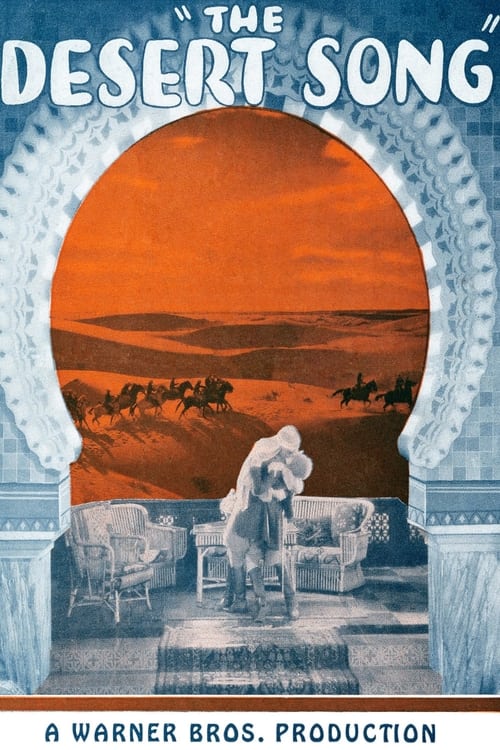
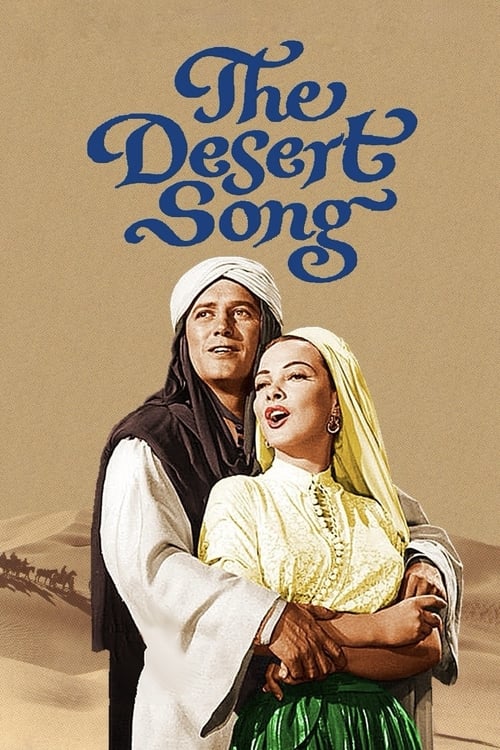
The Desert Song
1929
No user ratings available yet
Representation score: 1.1 out of 10
Representation Score
Limited
1930
PassedDirector
Alexander Korda
Runtime
82 minutes
Average Rating
No ratings yetNew Showbiz Analysis
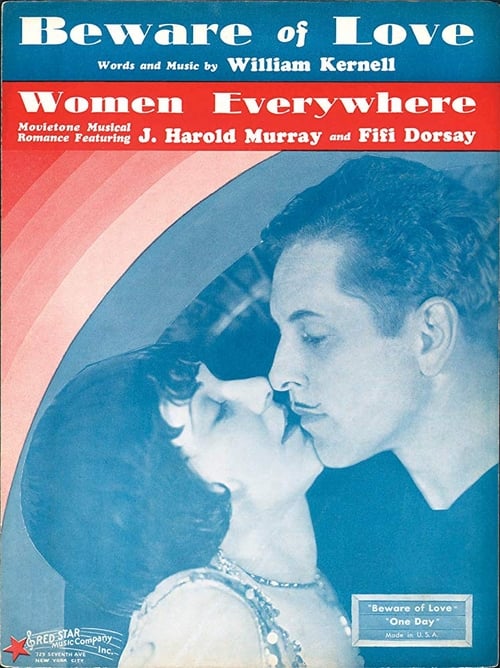
Women Everywhere serves as a transitional piece of early sound cinema. It avoids some restrictive clichés by giving the female lead ability to act and acknowledging colonial resistance, yet it remains tied to 1930s adventure frameworks. The film's strength lies in its subversion of the male savior cliché. By making Lili La Fleur the agent of salvation for the protagonist, the film provides a more active role for women than many contemporary adventures. However, the narrative remains centered on an American perspective. While the Moroccan setting provides a backdrop for ethnic and cultural conflict, the depth of non-Western ability to act remains unconfirmed.
Category Breakdown
The film does not include any characters with non-straight sexual orientations or non-cisgender identities. The story follows a traditional romance between Charles Jackson and Lili La Fleur.
Lili La Fleur challenges typical gender roles by playing a key role in the hero's survival. She provides significant narrative ability to act rather than being a passive character.
The North African setting and Moroccan rebels indicate a diverse cast of characters. However, the focus remains on an American protagonist, which limits the representation of ethnic diversity.
The film addresses anti-colonial themes by showing rebels fighting against French rule. It challenges Western imperialism through the depiction of systemic conflict.
There are no identifiable depictions of physical or neurodivergent disabilities within the story.
Present on Screen
Limited or Absent
Official Synopsis
Charles Jackson, an American sea-captain and singing soldier-of-fortune, is arrested by the French Foreign Legion for running guns to the rebel forces in Morocco fighting against the rule of the French in north Africa. He is saved by Lili La Fleur, a singer/dance in a Morocco café and, through her, eventually becomes a hero to the Foreign Legion.
1929
1930
1936
1940

1931
1933
1953

1929
No reviews yet. Be the first to share your thoughts on this movie!
Use the rating form above to leave a star rating and optional review.