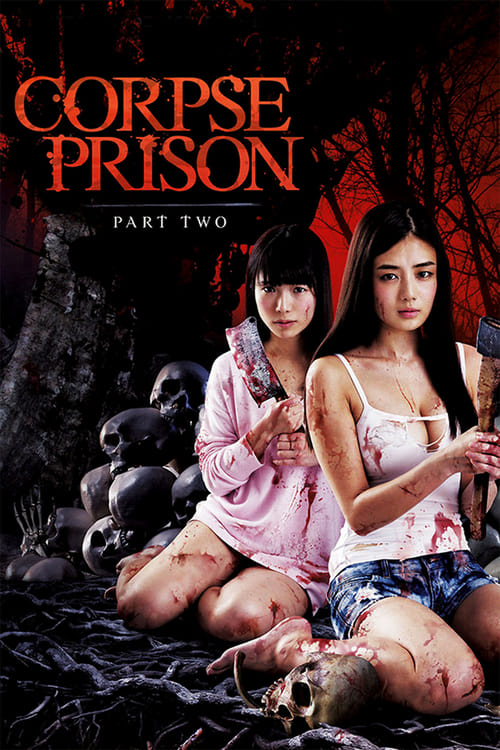
Corpse Prison: Part 2
2017
No user ratings available yet
Representation score: 3.1 out of 10
Representation Score
Limited
2017
Director
Hideo Jojo
Runtime
75 minutes
Average Rating
No ratings yetNew Showbiz Analysis
Corpse Prison: Part 1 uses a localized horror premise to explore systemic gendered vulnerability. The central conflict—a fifty-year absence of female births—positions the female protagonists as targets within a predatory, all-male social structure. The film's strength lies in critiquing traditionalist community norms and highlighting the potential for systemic abuse within closed patriarchal institutions. However, the film's scope remains limited to a homogeneous, regional Japanese setting, and it does not address LGBTQ+ or disability representation.
Category Breakdown
The film does not include any characters or relationships that explore LGBTQ+ identities or non-straight relationships. Queer themes are not present despite the village's gender imbalance.
The story focuses on a significant power difference between a male-dominated community and vulnerable female outsiders. This highlights the critique of patriarchal dominance and female objectification.
The film is set in a secluded Japanese mountain village with no indication of multicultural integration or diverse casting. The story follows a homogeneous ethnic framework.
The film examines the corruption of traditional social structures within the village of Yasaka. It portrays these institutions as predatory and sinister, challenging the stability of isolated, traditionalist communities.
There is no information regarding characters with physical, sensory, or neurodivergent disabilities. The available details focus entirely on the gendered crisis within the village.
Present on Screen
Limited or Absent
Official Synopsis
From the moment she and her fellow students arrive in the mountain village of Yasaka, Mikoto knows that there is something very wrong with this tiny town. Can it really be true that, for 50 years, not a single girl has been born in this isolated community? Despite the fact that Mayor Amano and the other all male residents have enthusiastically welcomed her and the other three coeds attending Professor Ashihara’s overnight seminar, Mikoto can’t shake the sense of increasing dread that consumes her. Something horrible has happened here. Something that is about to happen again. Because the town has been waiting for her. And the other girls. From the pages of the hit online manga published in Web Comic Gamma, the nightmare is about to begin!
2017

2003
2021

2020
2013
2008
2021

2008
No reviews yet. Be the first to share your thoughts on this movie!
Use the rating form above to leave a star rating and optional review.