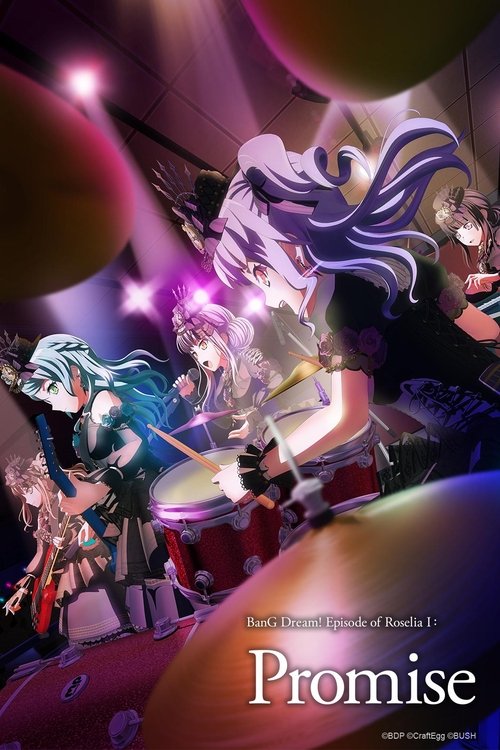
BanG Dream! Episode of Roselia I: Promise
2021
No user ratings available yet
Representation score: 5.0 out of 10
Representation Score
Limited
2015
Director
Youhei Suzuki
Runtime
25 minutes
Average Rating
No ratings yetNew Showbiz Analysis
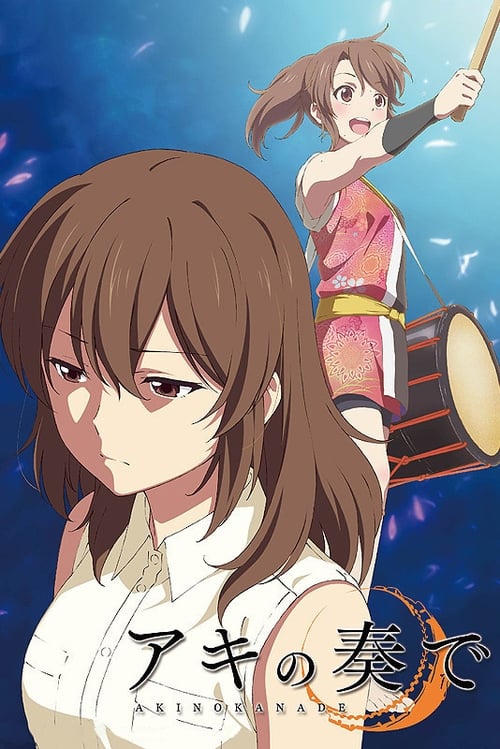
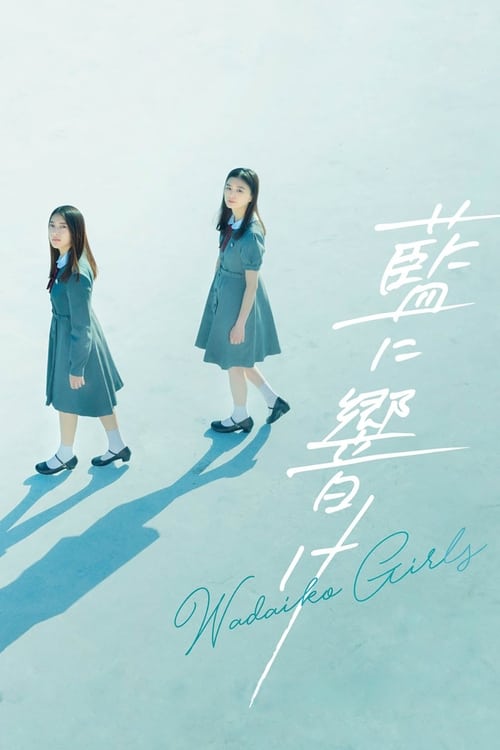
Aki no Kanade is a character study centered on the discipline and mastery required by the art of Taiko drumming. It successfully portrays a woman's professional evolution and her dedication to a demanding craft, avoiding common gender clichés. However, the film operates within a traditional framework, prioritizing cultural preservation and individual discipline over the exploration of diverse identities or the subversion of social hierarchies. While culturally rich in its specific Japanese context, the story lacks broader social diversity, presenting a homogeneous world that does not challenge ethnic or sexual orientation norms.
Category Breakdown
The story focuses on a female protagonist's journey in Taiko drumming and does not include any LGBTQ+ characters or critiques of the assumption that everyone is straight or cisgender.
Aki Miyagawa demonstrates strong women's ability to drive the story through her pursuit of a physically demanding discipline. The film avoids submissive clichés by highlighting her transition from trainee to mentor.
This production offers a deep look into Japanese cultural practices. However, the social environment seems homogeneous, focusing on a specific, localized cultural study.
The film highlights traditional Japanese values such as rigorous training and respect for craft. It prioritizes the preservation of cultural festivals and structured social roles.
There are no visible or invisible disabilities portrayed as central to the narrative arc.
Present on Screen
Limited or Absent
Official Synopsis
Aki Miyagawa moved to Tokyo to pursue her dream to be a taiko drummer, but had a hard time balancing her strict training regimen with her part-time job. Now, after 15 years, she's returning to coach others for a taiko festival.
2021

2020
2021
2015
2021
2017

2024

2016
No reviews yet. Be the first to share your thoughts on this movie!
Use the rating form above to leave a star rating and optional review.