
The Party
1980
No user ratings available yet
Representation score: 3.6 out of 10
Representation Score
Limited
2000
Director
Jean-François Monette
Runtime
37 minutes
Average Rating
No ratings yetNew Showbiz Analysis
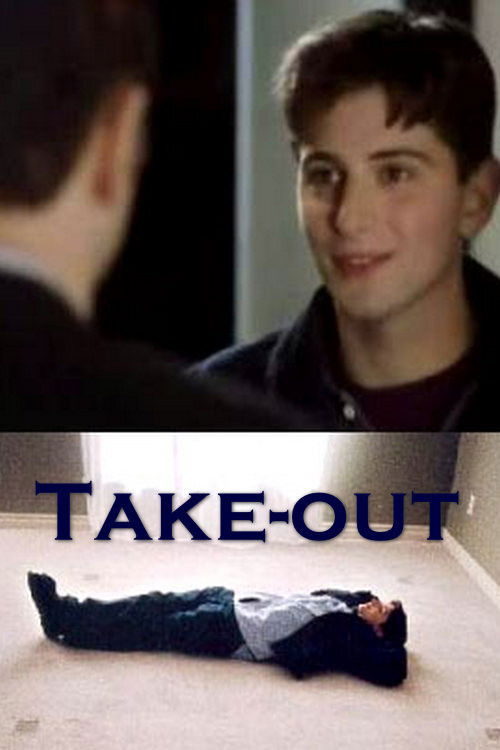
Take-out is a character-driven exploration of loneliness that steers clear of typical commercial clichés. Its strength lies in challenging traditional social structures, such as the nuclear family, by focusing on isolated individuals. However, the film lacks broad demographic representation and does not explicitly address multi-layered issues. While it touches on social conflicts, it does not actively disrupt systemic hierarchies or provide diverse representation.
Category Breakdown
The film examines the tension through a non-straight perspective, focusing on the protagonist's strained friendship with someone who isn't supportive of LGBTQ+ relationships. It highlights the conflict of social expectations rather than celebrating a positive queer narrative.
A female lawyer dealing with divorce occupies a high-stakes professional role, breaking away from traditional domestic stereotypes. However, the story centers on her personal isolation.
The available information provides no specific details regarding the racial or ethnic composition of the cast or the setting.
The story dismantles conventional social stability by highlighting characters who feel disconnected from family and societal institutions. It emphasizes individual struggles over the traditional nuclear family structure.
There is no indication of characters with visible or invisible disabilities in the film.
Present on Screen
Limited or Absent
Official Synopsis
The film is the coming-of-age story of the child in the opening sequence, now a chicken delivery boy (although he hates chicken). Alienated from his father, and with an uneasy relationship with his (not gay-friendly) best friend, he meets a new customer. A lawyer going through a divorce, the customer is also alienated and lonely.
1980

2016

2002

2007

2004

1997
1996
2004
No reviews yet. Be the first to share your thoughts on this movie!
Use the rating form above to leave a star rating and optional review.