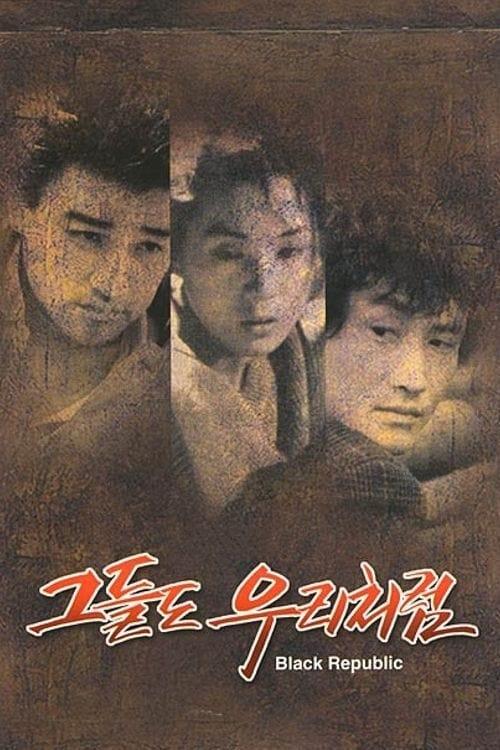
Black Republic
1990
No user ratings available yet
Diversity score: 6.2 out of 10
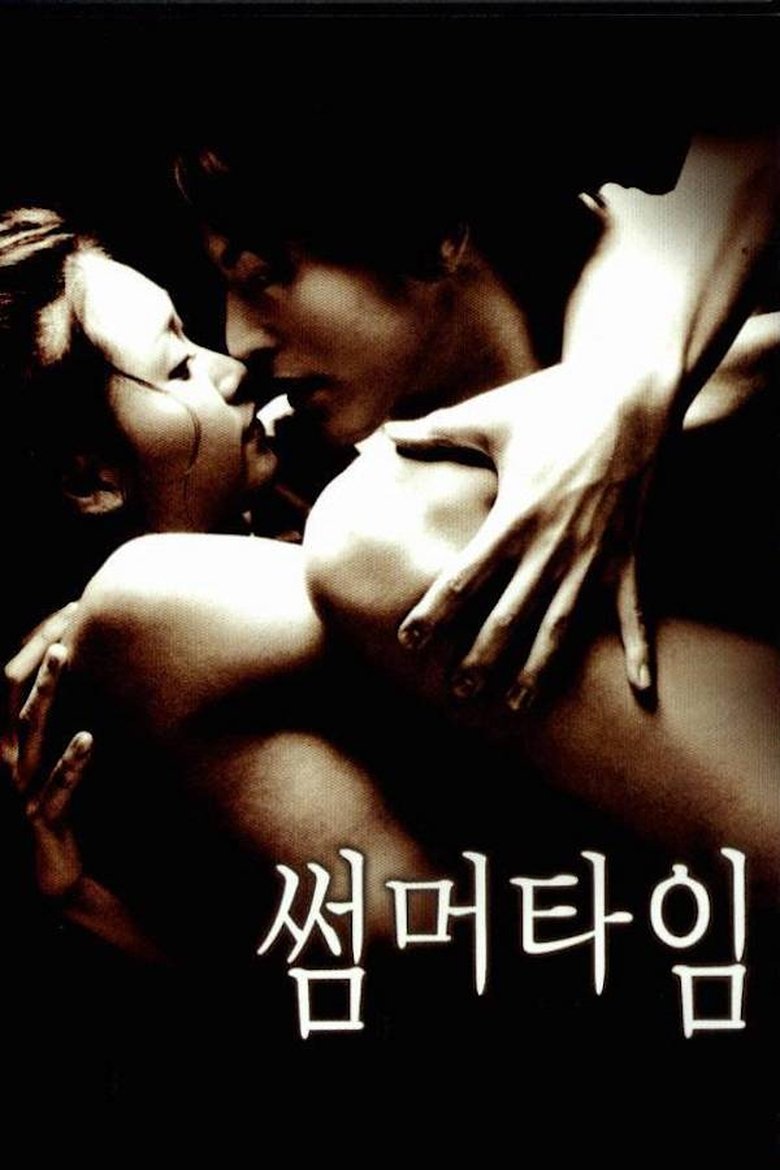
2001
Director
Park Jae-ho
Runtime
103 minutes
Average Rating
No ratings yetSynopsis
In the gloomy 80s, Sang-ho is wanted by the authorities for his participation in the student movement. Parting with his colleagues, Sang-ho happens to end up in a town on the outskirts, a town he has no connection to. The place where he is in hiding is the second floor of a worn down wooden house. Spending his time idly in the room, one day, Sang-ho discovers a hole looking into the room downstairs by chance. Casually looking through the hole, Sang-ho exhales. At first, Sang-ho tries to avoid looking, out of guilt. However, before he knows it, he is drawn to the hole. Every gesture she makes is very captivating and seductive. He watches her body, feels her, and takes her into his heart.
Overall Score
Good
Category Breakdown
LGBTQ+ Representation
The film focuses on a singular, heteronormative attraction between Sang-ho and an unnamed woman. There is no visible evidence of queer narratives or non-cisnormative identities.
Gender Representation
The narrative utilizes a traditional gaze-based dynamic where the male protagonist acts as the observer. The female character serves primarily as a seductive catalyst for his emotional shifts.
Racial & Ethnic Diversity
Set within a South Korean context, the film provides a non-Western narrative framework. It centers on local identity and regional historical agency during a period of domestic upheaval.
Religious & Cultural Diversity
The story engages deeply with systemic critique by portraying a protagonist resisting state authority. It explores the social justice themes inherent in the political tensions of the 1980s.
Disability Representation
The film provides no information regarding the depiction of physical or neurodivergent disabilities.
Strengths
Areas for Improvement
AI Analysis
Summer Time is a period drama that finds its strength in its sociopolitical setting. By centering a story of political resistance during South Korea's turbulent 1980s, the film offers a meaningful critique of state authority and institutional power. However, the film's interpersonal dynamics rely on traditional tropes. The relationship between the protagonist and the female subject is defined by a voyeuristic gaze, positioning the woman as an object of captivation rather than a fully realized agent. While the film successfully disrupts Western-centric storytelling through its cultural specificity, it lacks diversity in terms of LGBTQ+ presence and disability representation.
1990
1985

1981

2005
2018
2011

2010
2005
2015
2002

1995

2018
No reviews yet. Be the first to share your thoughts on this movie!
Use the rating form above to leave a star rating and optional review.