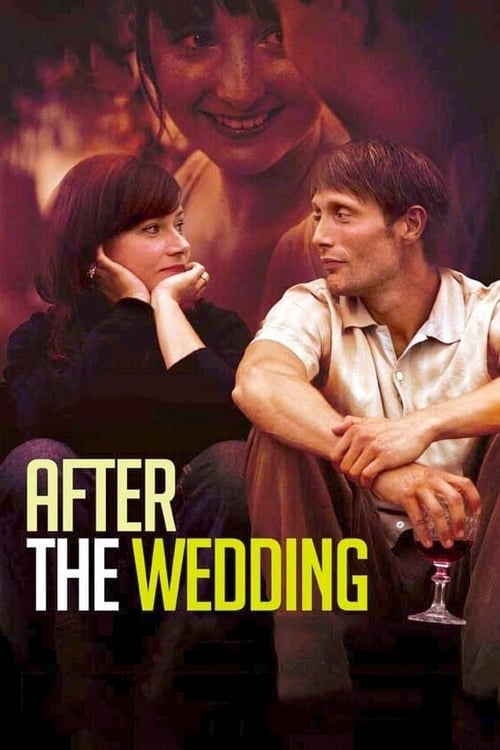
After the Wedding
2006
No user ratings available yet
Representation score: 2.7 out of 10

Representation Score
Limited
2019
PG-13Director
Bart Freundlich
Runtime
110 minutes
Average Rating
No ratings yetNew Showbiz Analysis
After the Wedding is a traditional character study that prioritizes psychological realism and domestic intimacy. The film operates within a conventional dramatic framework, focusing on the interpersonal complexities of a largely homogeneous, upper-middle-class family unit. The narrative remains firmly within established social and cultural norms. It offers minimal disruption to traditional storytelling clichés, focusing instead on individual psychological reconciliation within existing social norms. Because the story centers on a specific, privileged demographic, it lacks depth in reflecting multiple aspects of identity and systemic critiques. The cinematic experience is defined by its adherence to traditional Western family structures and social circles.
Category Breakdown
The film lacks significant LGBTQ+ presence or non-straight relationships. Central romantic and familial dynamics are depicted through a strictly straight-focused lens.
The narrative explores the emotional labor of the female protagonist, Anna, as she navigates professional and familial pressures. However, it reinforces traditional gender roles rather than challenging gender hierarchies.
The cast and central narrative focus on a primarily white, Anglo-Saxon demographic. While an orphanage in India is mentioned, the core experience centers on a homogeneous American social circle.
The film emphasizes personal responsibility and the healing of the nuclear family. It avoids critiques of Western institutions, treating existing social norms as the baseline for the characters' lives.
There are no prominent depictions of visible or invisible disabilities or neurodivergence. The film does not utilize disability as a narrative device or provide representation for these identities.
Present on Screen
Limited or Absent
Official Synopsis
Seeking funds for her orphanage in India, Isabelle travels to New York to meet Theresa, a wealthy benefactor. An invitation to attend a wedding ignites a series of events in which the past collides with the present while mysteries unravel.
2006
2017

2021

2016
2013

2009
2015
2017
No reviews yet. Be the first to share your thoughts on this movie!
Use the rating form above to leave a star rating and optional review.