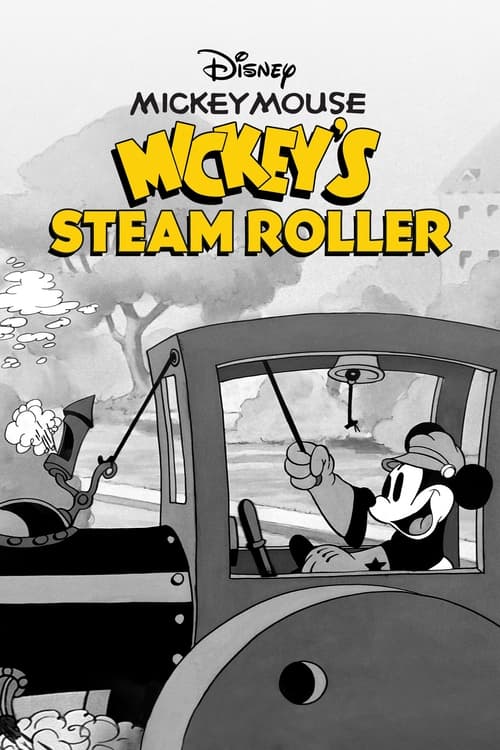
Mickey's Steam Roller
1934
No user ratings available yet
Representation score: 0.4 out of 10
Representation Score
Minimal
1933
NRDirector
David Hand
Runtime
7 minutes
Average Rating
No ratings yetNew Showbiz Analysis
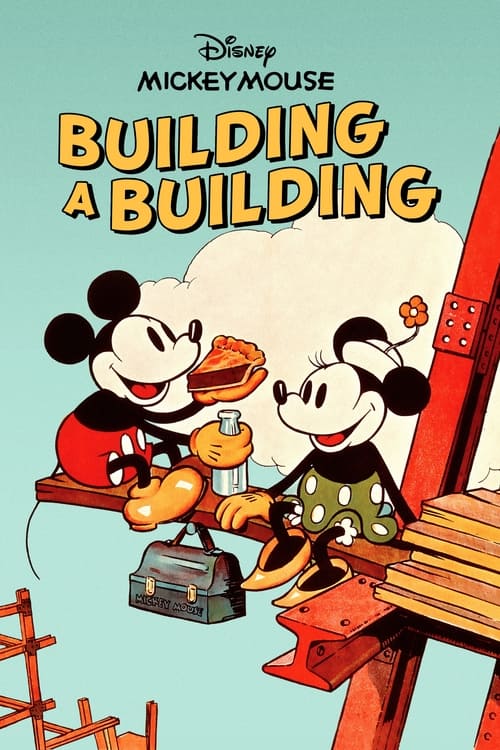
Building a Building is a product of its 1930s context, prioritizing physical comedy over identity exploration. The narrative relies on established formulas that favor a homogeneous social structure. The film focuses on workplace hierarchy and traditional romantic dynamics, lacking intentional diversity. It adheres to the era's production standards, offering limited social commentary.
Category Breakdown
The film does not depict any non-straight relationships or queer subtext. The main characters' relationship is based on a traditional romance.
The story unfolds in a male-dominated industrial environment where men have primary control. Minnie takes control by defending herself with hot rivets, but the film upholds traditional gender roles.
The film features a homogeneous cast of anthropomorphic characters. There is no indication of racial or ethnic diversity in the story.
The story reflects a standard capitalist industrial setting without addressing socio-economic issues. It emphasizes traditional social roles and industriousness rather than diverse cultural themes.
No characters are shown with visible or invisible disabilities. Physical mishaps are portrayed as humorous mistakes rather than impairments.
Present on Screen
Limited or Absent
Official Synopsis
Mickey's a shovel operator and laborer at a construction site; Minnie is delivering box lunches; Pete is the foreman. Mickey pays more attention to Minnie than to his work, and keeps having accidents (mostly involving the blueprints Pete is holding). Pete steals Mickey's lunch, so Minnie offers him one on the house. While he's eating, Pete kidnaps Minnie; Mickey fights him, but the tide turns when Minnie dumps a load of hot rivets into Pete's pants...
1934
1940
1938
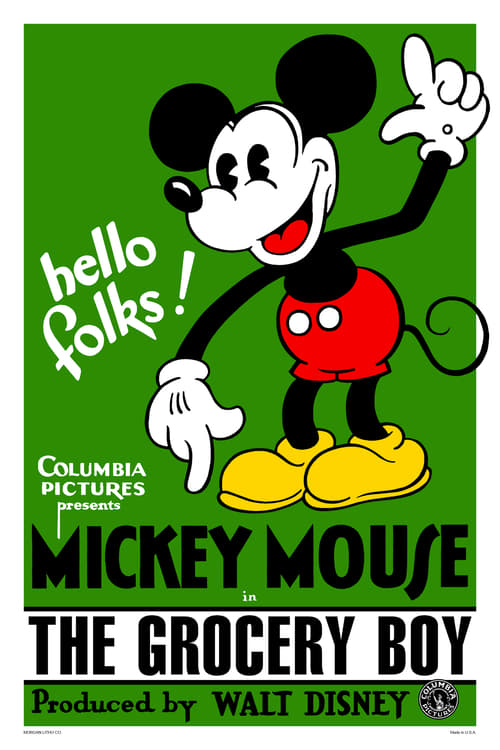
1932
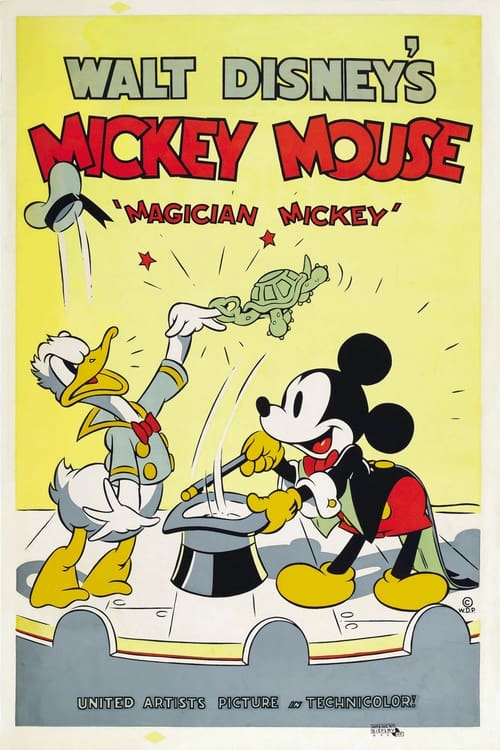
1937
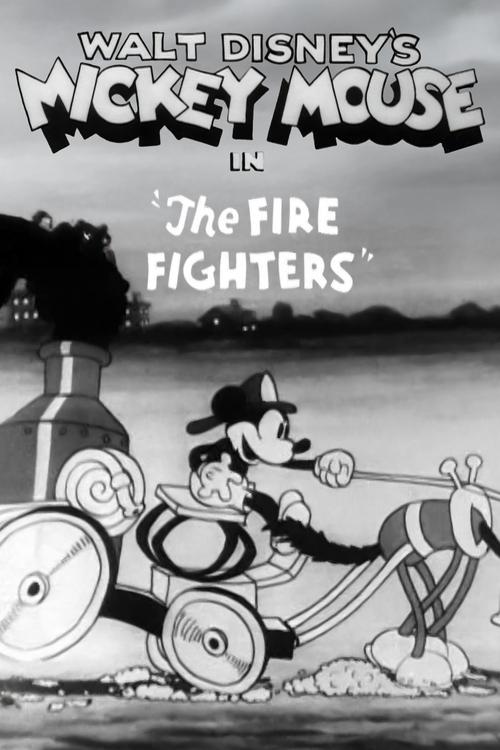
1930
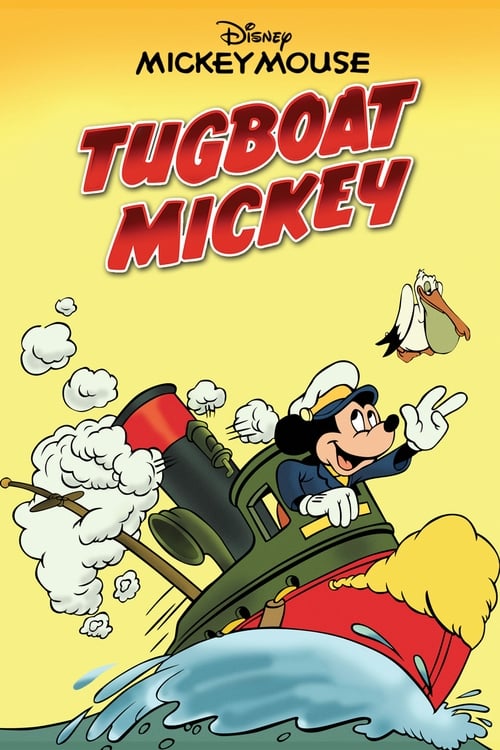
1940
1965
No reviews yet. Be the first to share your thoughts on this movie!
Use the rating form above to leave a star rating and optional review.